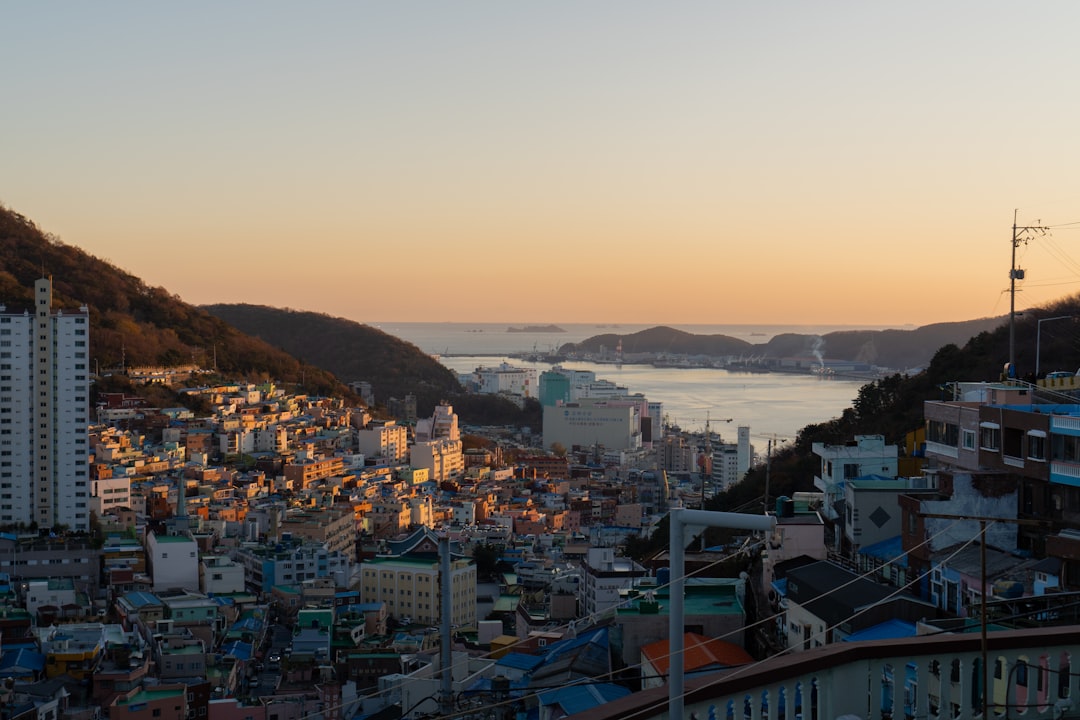
Seoul is South Korea’s overwhelming capital - palace districts, designer neighbourhoods, a metro system that reaches almost anywhere. Busan is something else entirely: a port city of hillside murals, fish markets, and beaches that actually have sand. Choosing between them depends on what kind of trip you are planning, and how much time you have.
At a Glance
| Factor | Seoul | Busan |
|---|---|---|
| Best for | Culture, food variety, city scale | Beaches, seafood, relaxed pace |
| Daily budget (mid-range) | KRW 120,000–180,000 | KRW 100,000–155,000 |
| KTX connection | - | ~2h 15min, from KRW 59,800 |
| Beaches | None | Haeundae, Gwangalli, Songjeong |
| Palaces and temples | Gyeongbokgung, Changdeokgung | Haedong Yonggungsa, Beomeosa |
| Best season | Spring (Apr–May), Autumn (Sep–Oct) | Summer (Jul–Aug) for beach, Spring/Autumn for city |
Quick verdict: Go to Seoul if this is your first time in South Korea and you want the full experience. Go to Busan if you want coast, seafood markets, and a city that feels human-scaled. Go to both if you have more than six days.
Culture and History
Seoul is the historic centre of Korea. Gyeongbokgung Palace dominates the northern part of the city - the largest of the five Joseon-era royal palaces, with 57 hectares of ceremonial halls, gardens, and the National Folk Museum inside. Changdeokgung to the east is more intimate, with its UNESCO-listed Secret Garden requiring a timed guided tour. Bukchon Hanok Village sits between the two palaces - a dense grid of traditional tile-roofed houses now occupied by teahouses, craft galleries, and hanbok rental shops.
Busan’s history runs differently. The city expanded rapidly after the Korean War as refugees settled its hillsides, creating the layered, paint-stacked neighbourhoods that now define its character. Gamcheon Culture Village in Saha District is the most photogenic - narrow stairways connecting murals, art installations, and café windows overlooking rooftops toward the sea. Haedong Yonggungsa Temple is genuinely singular: a working Buddhist temple built directly on coastal cliffs northeast of the city, with stone dragon statues at the entrance and waves breaking below. Most Korean temples sit on mountains; this one faces the sea.
Winner by priority: Seoul for dynasty-era palace culture. Busan for coastal temples and war-era neighbourhood character.
Food Scenes
Seoul’s eating is wide-ranging. Gwangjang Market in Jongno-gu serves raw bindaetteok (mung bean pancakes) fried to order at open stalls, alongside yukhoe (raw beef) and tiny mayak gimbap rolls. Myeongdong runs a corridor of street carts at night - tteokbokki (spicy rice cakes), mozzarella corn dogs, and tornado potatoes. For Korean BBQ, expect KRW 15,000–25,000 (approximately USD 11–18) per person at a mid-range local spot.
Where to Eat in Seoul
- Gwangjang Market - bindaetteok from around KRW 5,000 per portion
- Tosokchon Samgyetang (Gyeongbokgung area) - ginseng chicken soup from approximately KRW 17,000, consistently queued
- Jungsik (Gangnam, 2 Michelin stars) - tasting menus from approximately KRW 180,000 per person
- Noryangjin Market stalls - live seafood meals assembled to order, budget KRW 30,000–50,000 per person
Busan’s food identity is built around the sea. Jagalchi Fish Market is the largest live seafood market in South Korea - a multi-floor building on the waterfront with tanks of live fish, octopus, and sea urchin. Choose your seafood at the stalls below, pay for preparation, and eat upstairs. Dwaeji gukbap (pork bone soup in a clear broth) is Busan’s other signature dish, available across the city from approximately KRW 9,000–12,000 per bowl.
Where to Eat in Busan
- Jagalchi Market restaurants (2F) - raw fish platters (hoe) from approximately KRW 30,000 per portion
- Choryang Ibanggwan (Jung-gu) - dwaeji gukbap from around KRW 10,000
- UNJIN Milmyeon (Seomyeon) - Busan-style wheat noodles from around KRW 8,000
- BIFF Square fish cake stalls - eomuk soup skewers at KRW 1,000 each, a local institution
Winner by priority: Busan for seafood. Seoul for variety and market culture.
Nightlife
Seoul has more sheer volume. Hongdae near Yonsei University is the indie music and club district - live gig venues, craft beer bars, and dancing that runs well past 4am on weekends. Entry to clubs runs approximately KRW 15,000–20,000 (around USD 11–15) with a drink included. Gangnam’s Apgujeong and Cheongdam corridors offer the premium end - rooftop lounges and cocktail bars where drinks run KRW 20,000–30,000 (approximately USD 15–22). Karaoke (norebang) is the great leveller across both cities at KRW 10,000–15,000 per person per hour.
Busan’s nightlife is lower key but genuinely good. Seomyeon has the most concentrated bars and clubs. The Haeundae and Gwangalli beach strips run beach bars through summer, and the rooftop scene in Marine City - cocktail bars with Gwangalli Bridge views - is worth seeking out.
Winner by priority: Seoul for range and intensity. Busan for beach-adjacent summer nights.
Cost Comparison
Both cities are affordable by Western standards.
Accommodation (per night, as of 2026):
- Budget guesthouse: KRW 30,000–50,000 Busan / KRW 35,000–60,000 Seoul
- Mid-range hotel: KRW 80,000–120,000 Busan / KRW 100,000–160,000 Seoul
- Business hotel: KRW 150,000–250,000 Busan / KRW 180,000–300,000 Seoul
Where to Stay in Seoul
- Lotte Hotel Seoul (Jung-gu) - from approximately KRW 250,000 per night, well-placed for Myeongdong and palaces
- The Shilla Seoul (Jung-gu) - from approximately KRW 350,000, flagship luxury with gardens
- Ibis Budget Ambassador Seoul Myeongdong - from approximately KRW 75,000, solid budget option in a central location
- Sinchon Youth Hostel - from approximately KRW 30,000 per dorm bed, popular with backpackers near Hongdae
Where to Stay in Busan
- Paradise Hotel Busan (Haeundae) - from approximately KRW 200,000 per night, beachfront location
- Signiel Busan (Haeundae) - from approximately KRW 400,000, top-floor luxury in the LCT skyscraper
- Toyoko Inn Busan Seomyeon - from approximately KRW 65,000, dependable business hotel near the shopping district
- Busan Station Guesthouse - from approximately KRW 25,000 per dorm bed, convenient for arrival and departure
Meals run similarly priced across both cities: street food KRW 1,000–4,000, a local restaurant meal KRW 5,000–12,000, Korean BBQ KRW 15,000–30,000 per person. Busan is marginally cheaper overall, mainly on accommodation.
Day Trips
Seoul’s day trip circuit is well established. The DMZ - the demilitarised zone between North and South Korea - is the most unusual excursion, accessible via organised tour from Seoul for approximately KRW 55,000–75,000 (around USD 40–55) including transport. Nami Island takes about 90 minutes by public transit plus a short ferry - famous for its tree-lined avenues and Korean drama filming locations. Suwon’s Hwaseong Fortress, a UNESCO-listed 18th-century walled city, is 45 minutes south by subway.
From Busan, Gyeongju is the standout day trip - 40–50 minutes by Korail train, covering ancient Silla royal tombs, Anapji Pond, and Bulguksa Temple. Haeinsa Temple in the Gayasan mountains (around 1.5 hours by bus from Busan’s Seobu Intercity Bus Terminal) houses the Tripitaka Koreana - over 80,000 Buddhist scripture woodblocks stored in purpose-built medieval depositories. Tongyeong, a coastal town two hours by bus, rewards with fresh seafood, island ferries, and a dramatic cable car.
Winner by priority: Busan for historical depth (Gyeongju access). Seoul for unique experiences (DMZ).
Best For: By Traveller Type
First-timers to South Korea: Start in Seoul. The palaces, Myeongdong street food, and Hongdae music scene represent the country’s capital identity. Add Busan as a two-to-three-night extension.
Foodies: Busan, narrowly. Jagalchi Market and the raw seafood culture are irreplaceable. Seoul wins on variety, but Busan wins on identity.
Budget travellers: Busan. Slightly cheaper accommodation, more walkable beach areas, and fewer temptations to overspend on premium café culture.
Families with children: Seoul. COEX Aquarium, Seoul Children’s Grand Park, and Lotte World are built for family days. Busan’s Haeundae Beach works well, but Seoul has more concentrated family-friendly infrastructure.
Digital nomads: Seoul, decisively. The coworking scene in Gangnam, Hongdae, and Mapo is extensive. Cafés offering unlimited wifi for KRW 6,000–8,000 (approximately USD 4.50–6) are standard. See our Seoul digital nomad guide for the best spaces.
Nightlife seekers: Seoul. The scale and variety - K-pop clubs to jazz basements to rooftop cocktail bars - is hard to match anywhere in Asia.
Beach lovers: Busan. Haeundae and Gwangalli are proper swimming beaches. Seoul has Han River parks, but it isn’t a beach destination.
History and temple enthusiasts: Busan for coastal temples and easy Gyeongju access. Seoul for palace culture and the National Museum of Korea.
Getting Between Seoul and Busan
The KTX high-speed train is the standard connection. Services depart regularly from Seoul Station; SRT trains from Suseo Station are slightly cheaper. Journey time: approximately 2 hours 15 minutes on the fastest services. Fares start at approximately KRW 59,800 (around USD 43) one-way in standard class. Book through Korail.com or the Korail app - seats sell out on weekends and public holidays. Our Seoul to Busan guide covers the full options including bus and what to book in advance.
Season Recommendations
Seoul: Spring (late March to mid-May) for cherry blossom and mild weather, and autumn (September to November) for foliage and clear skies. Summer is hot and humid; winter is cold but manageable.
Busan: Summer (July to August) for beach season, though crowds peak. Spring and autumn offer the best balance of weather and smaller crowds. Busan stays milder than Seoul in winter due to its coastal position.
Book guided tours and activities in Seoul through GetYourGuide.
Search flights to South Korea with Aviasales.
Verdict
If you are choosing just one city: Seoul. As South Korea’s capital and cultural centre, it packs more into a single trip - palaces, street food markets, K-culture, nightlife, and excellent day trips. Seoul is also where most international flights arrive, making it the natural starting point.
If you have a week or more: do both. Seoul deserves four to five nights; Busan deserves two to three. The KTX journey is straightforward and the contrast between the two cities makes the combined trip richer than either city alone.
For full planning, see our Seoul travel guide and Busan travel guide.