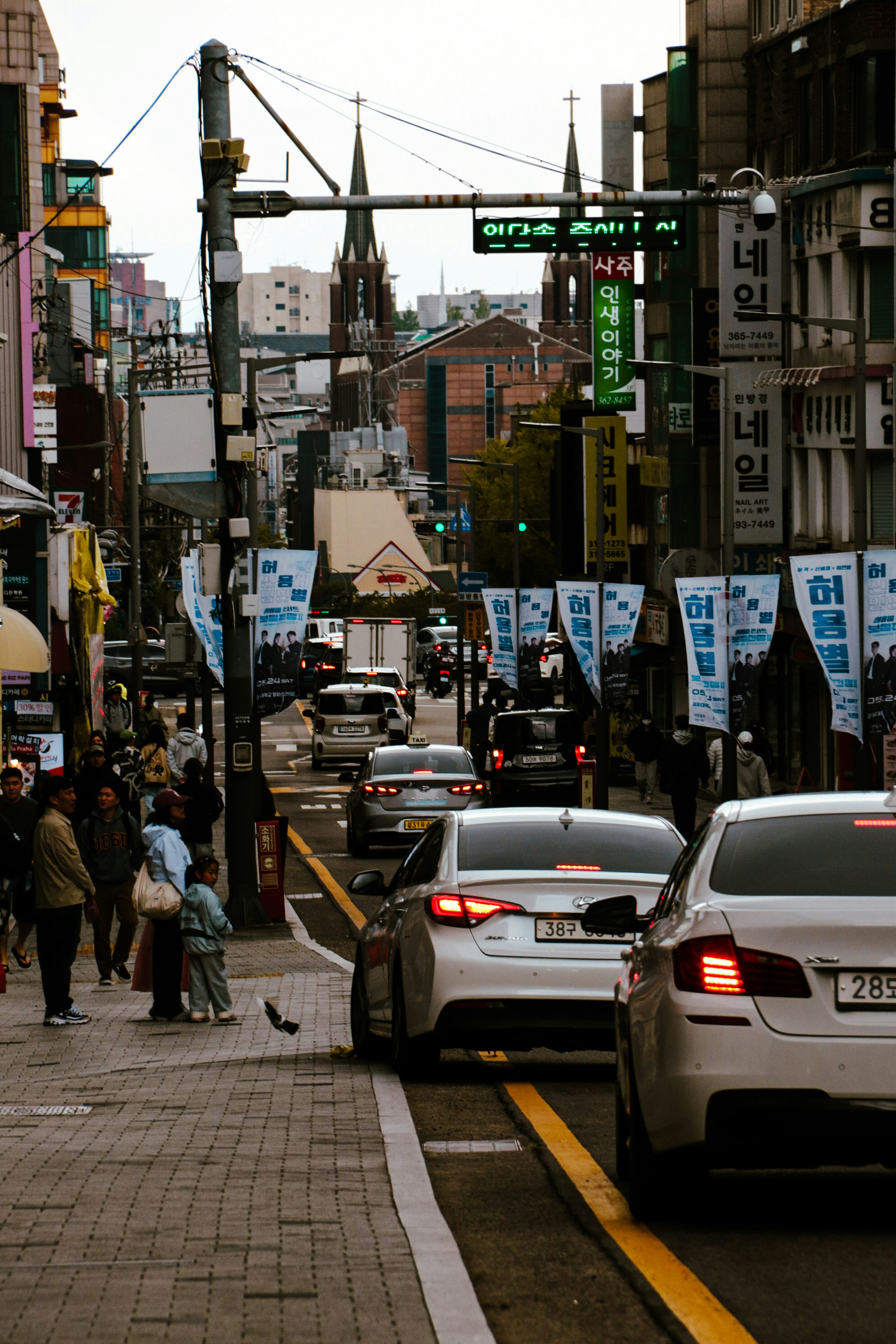
Hongdae (홍대) is the neighbourhood that most defines Seoul’s youth culture. Named for the Hongik University (홍익대학교) at its heart — a school famous for its art and design programmes — the area has grown from a scrappy music and arts scene in the 1990s into one of Asia’s most energetic entertainment districts. What keeps it relevant is that it still genuinely produces culture rather than just repackaging it.
Getting to Hongdae
Subway: Hongik University Station (홍대입구역) on Metro Line 2. Exit 9 is the main entrance to the commercial district. Exit 1 leads toward the university gates and a quieter, more residential section. Journey time from central Seoul: Myeongdong (Euljiro Chungang) approximately 10 minutes, Gangnam approximately 25 minutes.
From Incheon Airport: AREX (Airport Railway) stops at Hongik University Station on both the Express and All-Stop services. From T1, the all-stop AREX takes approximately 55 minutes (KRW 5,150 with T-money). This makes Hongdae a practical first stop if you have an afternoon arrival and want to drop luggage at a guesthouse before exploring.
The Main Streets
Hongdae’s energy is concentrated on a roughly triangular area between the subway exit and the university gates. The principal axis is Hongdae Pedestrian Street (홍대 앞 거리), which turns pedestrian-only on weekend evenings from approximately 16:00. This is where street performers — buskers, B-boys, and cosplay groups — set up, and where the highest density of food stalls, independent shops, and chain cafes sits.
Branching off toward the southwest is Mapo-daero and the cluster of clubs in the alleyways near Club FF and Club Cocoon. Moving north toward Hapjeong, the streets become quieter and more neighbourhood-like, with independent coffee roasters and concept stores that attract a slightly older crowd.
Street Food and Budget Eating
Hongdae’s street food strips are among the best-value eating in Seoul:
- Hotteok (호떡): Sweet pancakes filled with brown sugar, cinnamon, and crushed nuts. KRW 1,500–2,000.
- Gyeran-ppang (계란빵): Oblong bread rolls baked with a whole egg on top. KRW 2,000.
- Ddeokbokki (떡볶이): Spicy rice cakes in gochujang sauce — portion for one costs KRW 3,000–4,000 from street stalls.
- Waffles and taiyaki: Multiple stalls sell cream-filled fish-shaped taiyaki cakes for KRW 2,500–4,000.
For a sit-down meal, Mangwon Haejang Guk (15 minutes walk north to Mangwon) is a neighbourhood favourite for hangover soup (해장국) from KRW 9,000. Back in the Hongdae core, dozens of small Korean restaurants serve set lunches (백반) for KRW 8,000–12,000 including rice, soup, and four to six banchan side dishes.
Cafes
Hongdae’s cafe density is extraordinary. The neighbourhood has a culture of theme cafes that has been running since the late 2000s, from the original Hello Kitty Cafe to today’s concept spaces:
Cafe Bora (카페 보라): The most-photographed cafe in the area, known for its signature purple taro latte (KRW 7,000) and black sesame dalgona. Usually has a short queue on weekends. Located a short walk from Exit 5.
% Arabica: The Japanese specialty coffee brand with one of its Seoul branches here. Americano KRW 6,500. Minimalist interior, strong espresso.
Anthracite Coffee: Multi-level concept cafe with rotating art installations. Americano KRW 5,500, speciality drinks KRW 8,000–12,000. More relaxed atmosphere than the tourist-focused spots near Exit 9.
Sangsang Madang Cafe: Sits inside the Sangsang Madang arts complex (상상마당), which also has a gallery, cinema, and performance space. Good for spending an afternoon across several floors. Entry to the gallery is free; cafe drinks from KRW 5,500.
Shopping
Hongdae is one of the best places in Seoul to buy clothes that do not originate in the mainstream department store chains. The main shopping areas:
Indie fashion boutiques along the pedestrian street and the alleys between it and the university gates sell locally designed clothes, often by recent Hongik University graduates. Prices are typically KRW 30,000–80,000 per item.
Flea market (토요 프리마켓): Every Saturday April–November, noon–18:00, near Hongdae Park. Artist-made goods only — no reselling mass-produced items. A genuinely good source of original prints, earrings, and illustrated goods.
Used vinyl and secondhand books: The streets south of the university have several small shops selling K-pop merchandise, used vinyl, and secondhand graphic novels at prices well below market rate.
Live Music and Clubs
Hongdae is home to Seoul’s indie rock scene and some of the city’s best electronic music venues:
FF Club (클럽 FF): Long-running electronic music club, open Thursday–Saturday. Cover typically KRW 12,000–15,000. Two floors with different sound systems; the basement runs deeper techno and house while the ground floor is more accessible.
Mudaeruk (무대륙): Small indie rock and experimental music venue. Tickets KRW 10,000–20,000 per show. Check their Instagram for the monthly schedule. This is where you find Korean bands that have not yet crossed over to mainstream venues.
Live Club Spot: Mixed programming — rock, hip-hop, singer-songwriters. Minimum consumption charge approximately KRW 8,000–12,000.
NB2 (닐리리야): Long-running K-pop and commercial club popular with tourists and young Koreans who want recognisable music. Busy from midnight on weekends. Cover around KRW 10,000 including one drink.
Clubs typically do not get busy until after midnight and run until 06:00 or later on weekends.
Nearby: Hapjeong and Mangwon
Walking 10–15 minutes northwest along the riverbank toward Hapjeong and Mangwon takes you into a quieter residential extension of the Hongdae scene:
Mangwon Market (망원시장): A traditional covered market selling fresh produce, street food, and daily household goods at prices well below convenience store rates. Excellent for a cheap lunch — tteokbokki from KRW 2,000, kimbap from KRW 3,000.
Seonyudo Park: A 10-minute bus or cycling ride along the Han River. A former water treatment plant converted into a well-designed park with water gardens and a riverside walking path. Free entry.
Practical Notes
- Best time to visit: Thursday–Saturday evenings for the full nightlife experience. Weekend afternoons for the flea market and street performances.
- Cash: Most food stalls are cash only. The main clubs and cafes accept cards. ATMs at GS25 and CU convenience stores accept international cards.
- Accommodation: Guesthouses in Hongdae (available from approximately KRW 25,000 per dorm bed, KRW 70,000–120,000 for a private room) are popular with backpackers and provide excellent access to both the city centre and the airport rail.
- Guided tours: For food tours, street art walks, or a structured introduction to Hongdae’s music scene, GetYourGuide lists several well-reviewed Seoul neighbourhood tours that cover the Hongdae and Mapo-gu area.