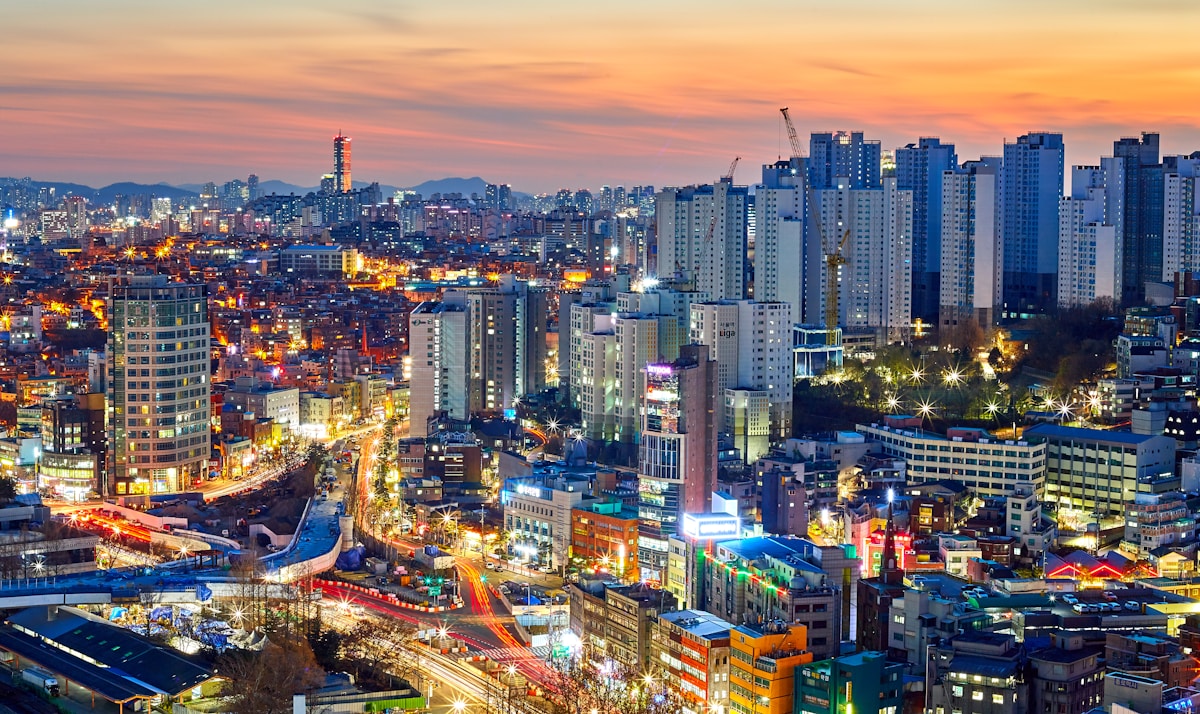
Comparing Seoul and Incheon as travel destinations is a bit like comparing New York and Newark - technically separate cities, practically a single metropolitan area, and one is clearly the main event. But Incheon has its own identity, its own history, and a handful of genuinely worthwhile experiences that most travellers miss entirely because they spend their connection time in the airport terminal.
At a Glance
| Factor | Seoul | Incheon |
|---|---|---|
| Best for | Everything - capital city experience | Chinatown, Songdo, airport layovers |
| Daily budget (mid-range) | 120,000–180,000 KRW | 90,000–140,000 KRW |
| AREX connection | - | 43 min direct, 9,500 KRW |
| International gateway | Via Incheon Airport | Incheon Airport is here |
| Unique draw | Scale, variety, culture | Oldest Chinatown, Songdo IBD, islands |
| Accommodation costs | Higher, especially central | 10–20% cheaper on average |
Quick verdict: Seoul wins as a destination - it’s not a close contest. But Incheon is worth a half-day or full-day exploration, especially if you’re using the airport, and its neighbourhoods have a quieter, more local atmosphere than tourist-heavy central Seoul.
Seoul: The Destination
Seoul needs little introduction. With around 10 million residents in the city proper, it is one of Asia’s most dynamic capitals - a place where a 600-year-old palace sits three stops on the metro from a K-pop agency headquarters.
The city’s variety is the point. Bukchon Hanok Village for traditional architecture. Hongdae for street performance, live music, and craft beer bars that stay open until dawn. Insadong for galleries, tea houses, and the kind of slow afternoon that doesn’t feel possible in a city this size. The Han River parks for cycling, picnics, and instant-delivery chicken that arrives in 25 minutes regardless of where you spread your mat.
Beyond the obvious highlights, Seoul rewards the traveller who pushes into its residential neighbourhoods - Mangwon for vintage cafes, Seongsu for Seoul’s answer to Brooklyn, Haebangchon for an international expat community that has been there long enough to develop genuine character.
Food ranges from ₩5,000 gimbap kimbap rolls at convenience stores to Michelin-starred tasting menus in Gangnam. Both are worth your time.
Where to Stay in Seoul
- Four Seasons Seoul (Gwanghwamun) - from approximately 400,000 KRW per night, top-tier central option
- Signiel Seoul (Lotte World Tower, Jamsil) - from approximately 450,000 KRW, highest-floor hotel in Korea
- Ryse Hotel Autograph Collection (Hongdae) - from approximately 170,000 KRW, design-forward option in a creative neighbourhood
- Hongdae Hostel Bunk - from approximately 30,000 KRW per dorm bed, near Hongik University Station
Where to Eat in Seoul
- Gwangjang Market - live bindaetteok from around 5,000 KRW, mayak gimbap from 2,000 KRW
- Tongin Market - dosirak (lunchbox) experience, around 5,000 KRW for a box of traditional side dishes
- Mingles (Gangnam, 2 Michelin stars) - contemporary Korean tasting menu from approximately 230,000 KRW per person
- Hanok BBQ restaurants near Gyeongbokgung - samgyeopsal and galbi from approximately 15,000–25,000 KRW per person
Incheon: More Than an Airport
Incheon was a small fishing port before the 1882 treaty that opened it to foreign trade. Korean, Japanese, and Chinese communities settled in distinct enclaves, and the legacy of that era is still visible in the Chinatown and Japanesetown (Gaehangnu) districts near the waterfront.
Incheon Chinatown is the oldest in Korea - not the largest, but historically significant. The main entrance gate on Hwagyo-ro leads to streets of Chinese restaurants, mooncake shops, and the kind of red-lantern decoration that could be dismissed as pastiche if the underlying history were not genuine. The jajangmyeon (black bean noodle) dish eaten here is considered the Korean version’s birthplace.
Songdo International Business District is a contrasting experience entirely - a master-planned city built on reclaimed land since the 2000s, with canals, Central Park (modelled after the one in New York, complete with kayaking), and a skyline that looks like it was imported from a speculative fiction novel. It is odd and impressive simultaneously.
Wolmido Island connects to the mainland by causeway and holds an amusement park, seafood restaurants, and the kind of faded-holiday-town atmosphere that is charming precisely because nobody has restored it for tourists.
Sorae Pogu Fish Market in the south of the city is a working fishing village turned market, less famous than Noryangjin in Seoul but more atmospheric.
Where to Stay in Incheon
- Grand Hyatt Incheon (near Airport Terminal 2) - from approximately 250,000 KRW per night, the premium airport-adjacent option
- Novotel Ambassador Incheon Airport - from approximately 180,000 KRW, convenient for terminal access
- Songdo Sheraton Grand (Songdo) - from approximately 160,000 KRW, Songdo IBD’s flagship
- Incheon Guesthouse 1883 (Chinatown area) - from approximately 50,000 KRW, well-reviewed boutique option
Where to Eat in Incheon
- Chinatown jajangmyeon restaurants - black bean noodles from approximately 8,000–10,000 KRW
- Sorae Pogu seafood restaurants - raw fish and grilled shellfish meals from approximately 25,000–40,000 KRW per person
- Wolmido seafood strip - grilled fish, ojingeo (squid) from approximately 15,000–25,000 KRW
- Gaehangnu bakeries - influenced by early 20th-century Japanese baking tradition, breads and pastries from around 3,000–5,000 KRW
Getting Between Seoul and Incheon
The AREX (Airport Railroad Express) runs two services:
- Direct service: Incheon Airport Terminal 1 to Seoul Station in 43 minutes. Fare: 9,500 KRW. Runs every 30 minutes approximately 05:20–23:40.
- All-stop service: Same route but stops at intermediate stations. Journey time approximately 65 minutes. Fare: 4,950 KRW. Useful for Cheongna area.
Subway connections via Line 1 or the Incheon Metro add options for Songdo and Chinatown areas. Taxis from central Seoul to Incheon take 60–90 minutes depending on traffic and cost approximately 65,000–90,000 KRW.
Season Recommendations
Seoul: Spring and autumn are ideal. Incheon: The city is pleasant year-round and slightly less crowded than Seoul in all seasons. Summer ferry routes to islands like Deokjeokdo open in June and operate through August - a worthwhile addition if you are basing yourself in Incheon rather than Seoul.
Guided Tours: Seoul vs Incheon
Tours from Seoul:
The concentration of licensed English-speaking tour operators is highest in Seoul. GetYourGuide Seoul lists options across multiple price points and categories:
- Gyeongbokgung Palace and Bukchon walking tour: approximately KRW 25,000–45,000 per person, 3–4 hours including a guide. Morning departures (09:00–10:00) from Gwanghwamun Station beat the midday crowds and offer the best light for the palace grounds.
- Han River evening cruise: approximately KRW 15,000–25,000 per person for a 1-hour cruise, departing from Yeouido or Jamsil piers. Best in spring for cherry blossom views from the water; in autumn for skyline reflections.
- K-pop and Hallyu culture tour: approximately KRW 35,000–65,000 per person, covering Hongdae (street performances near HYBE building), Gangnam entertainment district, and a Hanbok dress experience. Operates daily from central Seoul pickup points.
- DMZ full-day tour: approximately KRW 65,000–90,000 per person, including return transport from Seoul, a licensed guide, and access to the JSA or Observation Post depending on operator. Advance booking required — most operators ask for at least 24–48 hours’ notice.
- Jjimjilbang Korean spa experience with guide: approximately KRW 25,000–40,000 per person including entry fees, typically 2–3 hours in the Hongdae or Myeongdong area.
Tours from Incheon:
Incheon’s tour scene is smaller and centred primarily on the port and Chinatown district. A few specific options worth noting:
- Incheon Chinatown and open port walking tour: operators depart from Incheon Station (subway line 1); typically 2–3 hours covering the Korean-Chinese treaty port history, Japanesetown (Gaehangnu district), and the original customs house. Approximately KRW 20,000–35,000 per person. Check GetYourGuide Incheon for current listings.
- Songdo city self-guided walk: The central park, waterfront canals, and Tri-Bowl cultural complex are all walkable from Incheon Metro Central Park Station (line 7). Allow 3–4 hours. No formal English-language tour operators dominate this area, though city walking maps are available at the information centre near the park entrance.
- Incheon island ferry (Deokjeokdo, Jawoldo — summer only): Ferry routes run June to August from Incheon passenger terminal. Fare approximately KRW 20,000–32,000 return depending on island; pension-style accommodation on the islands from approximately KRW 70,000 per night.
Practical note: Most Seoul-based tour operators do not offer pickups from Incheon addresses. If you are staying near Incheon Airport, take the AREX into Seoul Station (43 minutes, KRW 9,500) and join tours at their central Seoul departure point. Pre-book your airport-to-Seoul transfer with Kiwitaxi or Welcome Pickups for a fixed price — both monitor flight arrivals automatically.
Pick up an eSIM for South Korea through Airalo to stay connected throughout your trip.
Explore Each City
- Seoul travel guide - palaces, neighbourhoods, food, and transport in South Korea’s capital
- Seoul things to do - Gyeongbokgung, Bukchon, Namsan Tower, and more with entry fees
- Incheon travel guide - Chinatown, Songdo, Wolmido, and the Open Port area
- Incheon things to do - the full guide to what to see beyond the airport