Digital Nomad
Seoul Digital Nomad Guide: Best Cafes, Coworking
Seoul remote work guide: best coworking spaces, laptop-friendly cafes, top neighbourhoods, and tips for setting up a remote work base in the city.
Remote Work
South Korea is an underrated digital nomad destination: particularly Seoul, which consistently ranks among Asia's top cities for internet speed, cafe culture, and infrastructure. Download speeds average 100–300 Mbps in cafes and coworking spaces. The cost of living is higher than Southeast Asia but comparable to mid-tier European cities, and the quality of life is exceptional.
The visa situation is genuinely favourable for many nationalities. Citizens of 112 countries can enter South Korea visa-free for 30–90 days. South Korea launched a Digital Nomad Visa (Workation Visa) in 2023, available to remote workers meeting income requirements. The time zone (UTC+9) suits East Asian and Australian work hours, and Korean 5G and fibre infrastructure is among the best in the world.
Our South Korea guide covers coworking spots, cafe recommendations, internet speeds, and monthly cost breakdowns for the key nomad cities.
Rough monthly budgets for a digital nomad: mid-range apartment (one-bedroom), coworking or cafe Wi-Fi, eating out 5–6 times per week. Figures in USD at ₩1,350 = $1.
| City | Monthly Budget |
|---|---|
| Seoul | $1,400–2,500 |
| Busan | $1,000–1,800 |
| Jeonju | $700–1,200 |
| Gangneung | $800–1,400 |
| Jeju City | $900–1,600 |
Budget estimates based on 2026 conditions. Exchange rate used: ₩1,350 = $1 USD. Verify current rates at XE.com before planning.
Citizens of 112 countries can enter South Korea visa-free for 30–90 days (varies by nationality). South Korea also offers a Digital Nomad Visa (Type C-4) for remote workers earning at least $84,000 USD/year: valid for up to 1 year, non-renewable. Check eligibility and apply at Korean embassies. Standard tourist entry is the practical option for shorter stays.
KT, SK Telecom, and LG U+ are the three major operators: all have excellent 5G coverage in cities and 4G along most travel routes. Tourist SIMs are available at Incheon Airport arrivals (purchase before clearing customs) and at convenience stores (GS25, CU, 7-Eleven). Unlimited data SIMs for 30 days cost approximately ₩30,000–55,000 ($22–40). eSIM options (Airalo, Holafly) work well and are slightly cheaper.
Korea has some of the world's fastest average internet speeds. Cafe Wi-Fi typically runs 100–400 Mbps. Coworking spaces are strongest in Seoul (WeWork, Fastfive, Sparkplus, Wework): day passes ₩20,000–40,000 ($15–30), monthly desks ₩200,000–450,000 ($150–330). Cafes (especially 24-hour study cafes called "study cafes") function well as work spaces. Most are open until midnight or 24 hours.
South Korea is a near-cashless society in cities: Visa and Mastercard are accepted almost everywhere. For cash, Citibank, KEB Hana, and Woori ATMs accept foreign cards without surcharge. Kakao Pay and Naver Pay are the dominant mobile payment apps (require a Korean phone number to use fully). Wise and Revolut cards work well for avoiding FX fees.
In-depth guides to remote working, coworking spaces, and the digital nomad lifestyle.
Seoul remote work guide: best coworking spaces, laptop-friendly cafes, top neighbourhoods, and tips for setting up a remote work base in the city.
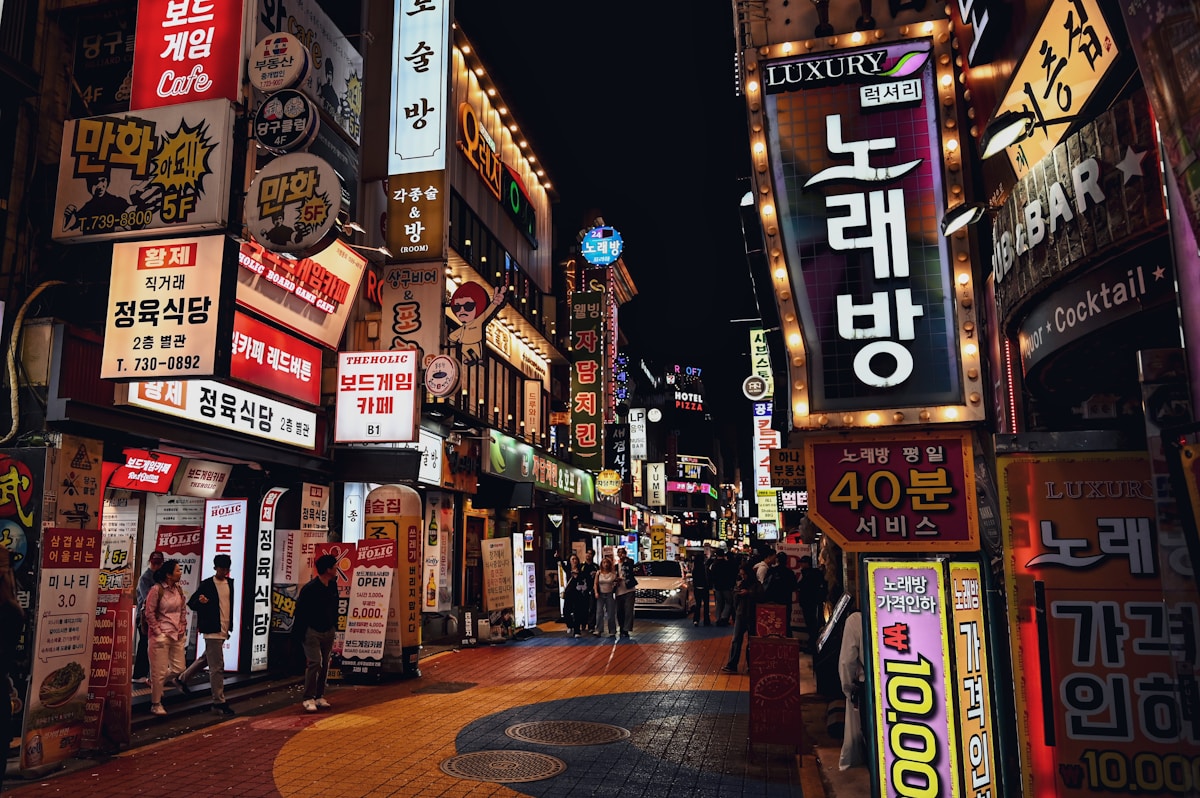
South Korea for remote workers: the nomad visa, cost of living, best cities, and internet infrastructure.
Book an experience
The best day trips from Seoul, Busan, and Jeju. Instant confirmation, free cancellation on most.
Ready to plan your move to South Korea?