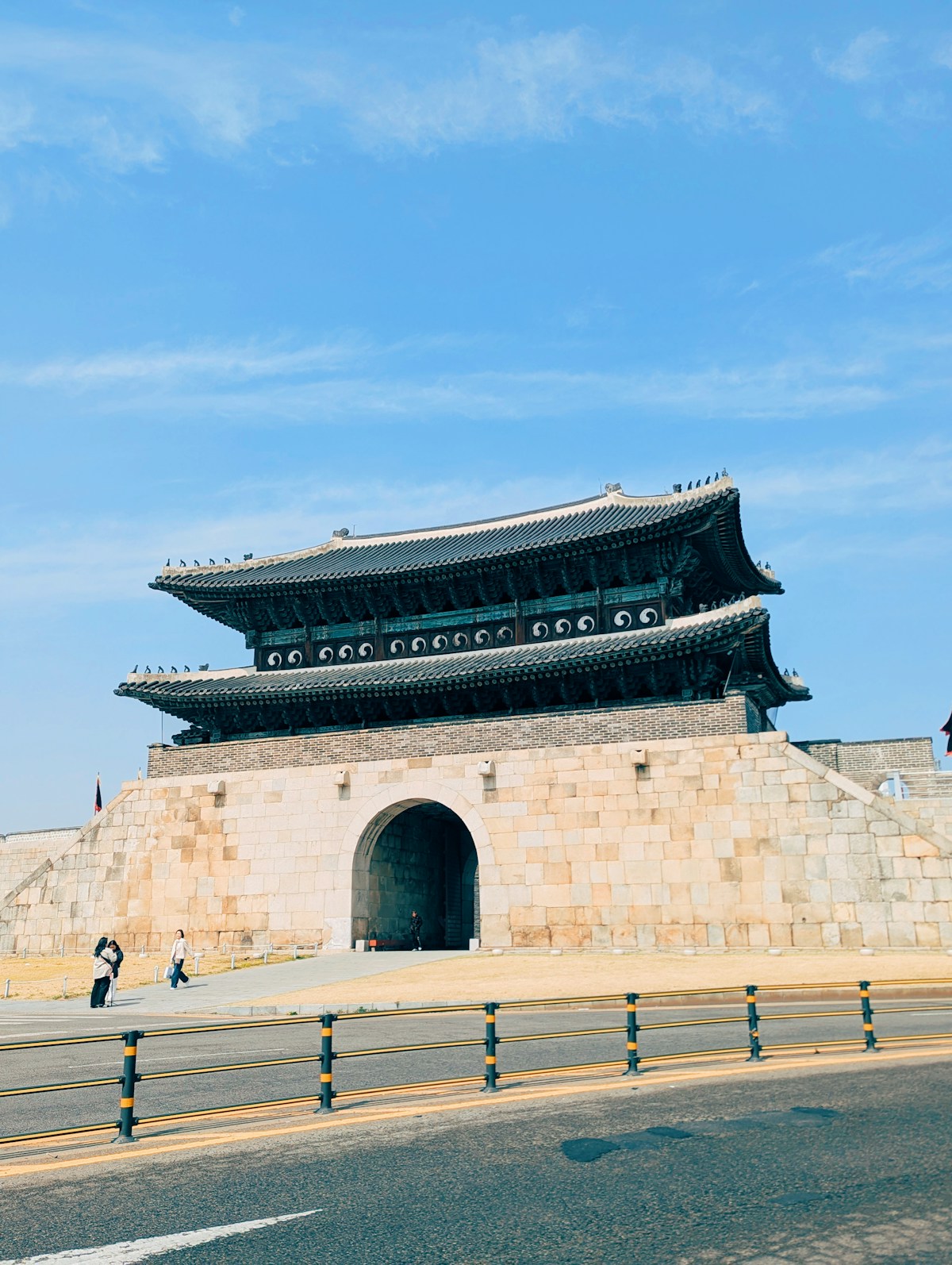
Suwon sits just 30 kilometres south of Seoul - close enough that most travellers treat it as an afternoon excursion rather than a destination in its own right. That is a reasonable instinct if your time is limited. But it undervalues what Suwon actually has: a UNESCO World Heritage fortress that is substantially better preserved than most of Seoul’s historic sites, a food culture built around galbi (grilled short ribs) that draws eaters from the capital, and a city identity distinctly its own despite existing in Seoul’s gravitational field.
At a Glance
| Factor | Suwon | Seoul |
|---|---|---|
| Best for | Hwaseong Fortress, galbi, easy pace | Everything - capital city depth |
| Daily budget (mid-range) | 85,000–130,000 KRW | 120,000–180,000 KRW |
| From each other | Metro Line 1 ~50–60min, 1,650 KRW | Same |
| Key UNESCO sight | Hwaseong Fortress (1997) | Changdeokgung (1997) |
| Accommodation cost | 10–20% cheaper than Seoul | Higher |
| Crowds at key sights | Manageable year-round | Busy seasonally |
Quick verdict: Visit Suwon as a day trip from Seoul if you are short on time. Stay overnight if you want to walk the fortress walls at sunrise, explore at a slower pace, or use Suwon as a base for Gyeonggi Province sightseeing. Seoul wins as a destination on every dimension of variety - but Suwon wins for the specific experience of Hwaseong Fortress.
Suwon: The Fortress City
Hwaseong Fortress is the reason to come to Suwon, and it is more impressive than its relative obscurity in international travel guides suggests. The walls follow the natural ridgeline of Paldal Mountain in the east and sweep down through the city in the west, incorporating four major gates (Janganmun to the north is the grandest), multiple pavilions, turrets, and the Hwahongmun floodgate - a stone water gate with a distinctive arcaded bridge that is one of the most photographed sites in Gyeonggi Province.
The full wall circuit is approximately 5.7 kilometres and takes around two hours at a leisurely pace. The eastern section, climbing Paldal Mountain, gives views across the city and the flat farmland of Gyeonggi to the south. A tourist train (Hwaseong Trolley) covers sections of the outer circuit for visitors who prefer not to walk the full loop.
Hwaseong Haenggung (the royal temporary palace inside the fortress walls) hosts regular performances of traditional martial arts (Muyedobotongji recreation) and changgeuk (Korean opera) during weekends and public holidays. Entry to the palace: approximately 1,500 KRW as of 2026.
The Suwon Traditional Culture Hall near the Janganmun gate runs hands-on experiences in traditional crafts, including hanji papermaking and ceramic painting, typically priced from around 10,000–15,000 KRW per session.
Gwanggyo Lake Park, about 5 kilometres east of the fortress, is a suburban reservoir park with a 5-kilometre walking and cycling loop, cafes built on stilts above the water, and a notably photogenic bridge. It is less visited by tourists than the fortress and gives a more realistic picture of how Suwon residents use their city.
Where to Stay in Suwon
- Novotel Ambassador Suwon - from approximately 150,000 KRW per night, the city’s flagship international hotel near the fortress
- Ramada Encore by Wyndham Suwon - from approximately 110,000 KRW, solid mid-range near Suwon Station
- Suwon Station Tourist Hotel - from approximately 70,000 KRW, functional option for transit visitors
- Suwon Guesthouse K - from approximately 35,000 KRW per room, popular with travellers doing fortress day trips
Where to Eat in Suwon
- Suwon galbi restaurants (Yeongdong Galbi Alley, Jung-gu) - Suwon-style grilled galbi (beef short ribs) from approximately 18,000–28,000 KRW per portion; the style uses a distinctive sauce and is considered one of Korea’s great regional BBQ traditions
- Hwaseong Fortress area pojangmacha - outdoor tent restaurants near the fortress walls, tteokbokki and twigim from around 4,000–6,000 KRW
- Paldalmun Gate area - restaurants serving haemul pajeon (seafood pancake) and soondubu jjigae from approximately 10,000–14,000 KRW
- CGV Food Court, AK Plaza Suwon - mall food court with Korean, Japanese, and Western options from 9,000–15,000 KRW
Seoul: The Capital
Seoul’s advantages over Suwon are simply those of scale. The city offers a depth of experience in every category - culture, food, nightlife, shopping, architecture - that no satellite city can match. The five grand palaces of the Joseon dynasty (Gyeongbokgung, Changdeokgung, Deoksugung, Gyeonghuigung, and Changgyeonggung) are all within the city. The National Museum of Korea and the War Memorial of Korea together hold collections that would take several visits to explore seriously.
Seoul’s food geography is itself a subject of study: each neighbourhood has developed its own culinary identity - Jongno for traditional Korean, Mapo for craft beer, Seongsu for artisan coffee and noodles, Yeonnam for fusion and international food, Itaewon for everything-goes late-night eating.
Where to Stay in Seoul
- The Plaza Seoul (City Hall) - from approximately 280,000 KRW per night, historic landmark hotel with views of Deoksugung Palace
- Andaz Seoul Gangnam - from approximately 240,000 KRW, design-led luxury in the Gangnam district
- Nine Tree Premier Hotel Insadong - from approximately 130,000 KRW, mid-range in the gallery and tea house district
- Generator Seoul (Itaewon) - from approximately 35,000 KRW per dorm bed, international design hostel
Where to Eat in Seoul
- Tosokchon Samgyetang - ginseng chicken soup from around 17,000 KRW, queues form at lunch even in winter
- Gwangjang Market - live bindaetteok, mayak gimbap, and raw fish from 2,000–8,000 KRW per item
- Gaon (Gangnam, 3 Michelin stars) - traditional Korean fine dining from approximately 300,000 KRW per person
- BBQ alley, Mapo-gu - samgyeopsal and galbi grills from approximately 15,000–22,000 KRW per person
Getting Between Suwon and Seoul
Metro Line 1 runs directly between Seoul Station and Suwon Station in approximately 50–60 minutes. Fare: around 1,650 KRW with T-Money card. This is the most practical and cheapest option. ITX-Saemaeul trains cover the same journey in 30–35 minutes for around 3,400 KRW. The Bundang Line connects Suwon to Gangnam-gu Office Station in central Seoul.
Season Recommendations
Suwon’s fortress is rewarding year-round but particularly striking in autumn (October–November) when the mountain section of the walls is framed by foliage, and spring (April–May) when cherry blossoms line the lower circuit near Paldalmun Gate. Avoid Suwon’s Yeongdong Galbi Alley on Saturday evenings in summer - the queues for popular galbi restaurants can exceed an hour, and the heat combined with charcoal smoke makes outdoor seating uncomfortable. Visit on a weekday or in cooler months.
Book guided tours and activities in Suwon through GetYourGuide.
Pick up an eSIM for South Korea through Airalo to stay connected.
Explore Each City
- Suwon travel guide - Hwaseong Fortress, Haenggung Palace, and Korean Folk Village
- Suwon things to do - entry fees, guard ceremony timings, and the full fortress circuit
- Seoul travel guide - neighbourhoods, palaces, and transport across the capital
- Day trips from Seoul - Suwon, Nami Island, the DMZ, and more with transport and costs