Food & Drink
Gyeongju Food Guide: Royal Cuisine, Hwangnam Bread & Makgeolli
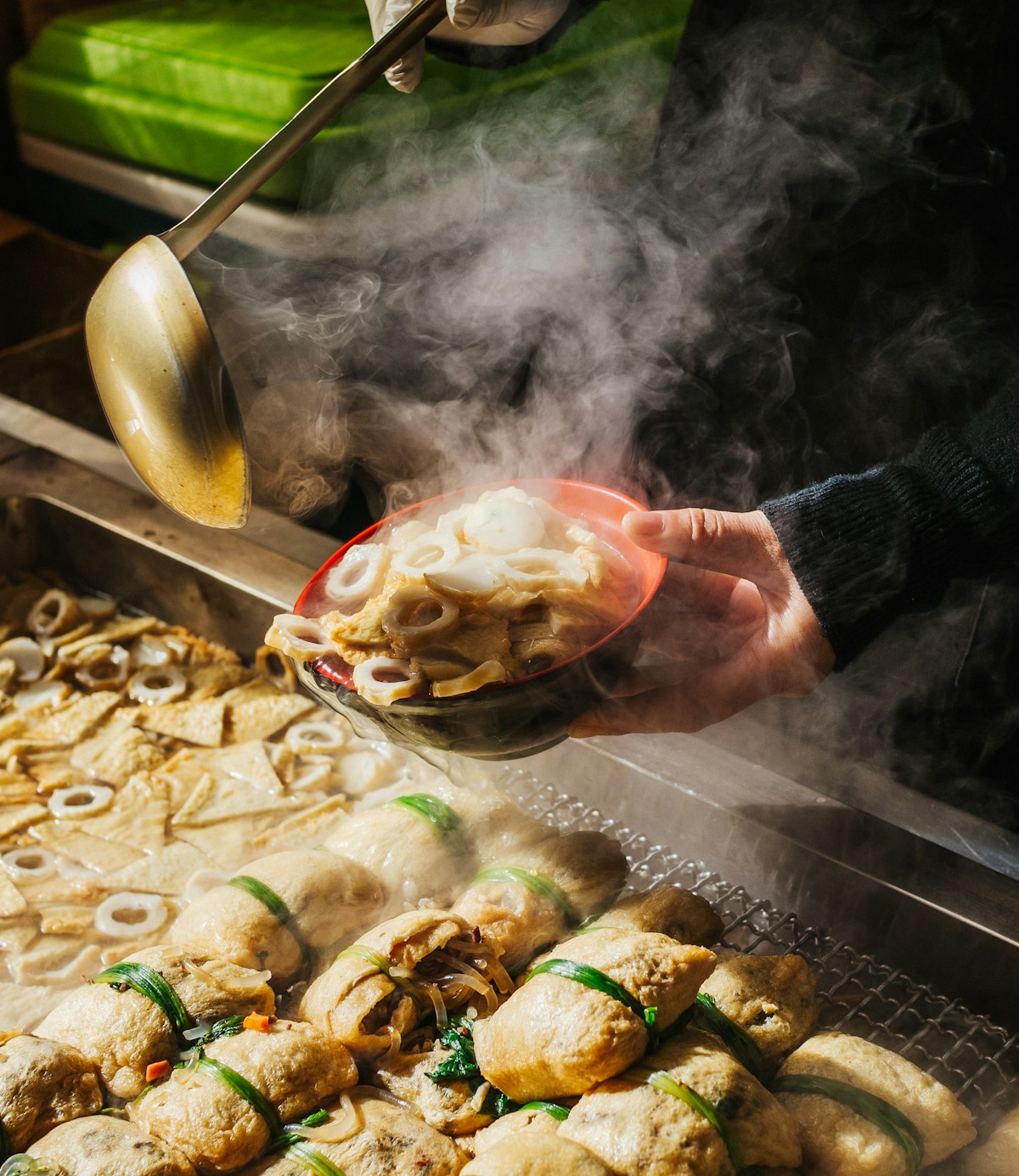
Gyeongju food guide: ssambap rice wraps, hwangnam bread, traditional makgeolli bars near Tumuli Park, and the city's quiet food trail.
Korean Cuisine
Korean food is one of the world's most distinctive cuisines: and one of the most misunderstood outside the country. It is not all spicy. The cuisine spans fermented banchan (side dishes), grilled meats, rich broths, rice bowls, and street food that ranges from mild to intensely spiced. Kimchi is present at almost every meal, but it plays a supporting role, not a starring one.
Eating well in South Korea is affordable. A filling stone-pot bibimbap at a local restaurant costs ₩8,000–12,000 ($6–9). A portion of grilled samgyeopsal (pork belly) with all the accompaniments runs ₩15,000–20,000 ($11–15) per person. The dining culture values communal eating, seasonal produce, and a balance of textures and temperatures.
Each city guide includes a dedicated food page covering must-eat dishes, local specialities, and where to eat them.
Eight dishes that represent the depth and variety of Korean cuisine, from street food stalls to family restaurants.
Rice topped with seasoned vegetables, a fried or raw egg, gochujang chilli paste, and sesame oil, mixed together at the table. The dolsot version arrives in a sizzling stone pot, creating a crispy rice crust on the bottom. One of the most balanced and widely loved dishes in Korean cuisine.
Thick-cut pork belly grilled at the table over a charcoal or gas burner, cut with scissors into bite-sized pieces, and eaten wrapped in perilla leaves or lettuce with garlic, ssamjang paste, and kimchi. The defining Korean social eating experience. Best paired with soju.
Chewy rice cakes simmered in a sweet, spicy gochujang and fish stock sauce. A staple of pojangmacha street stalls and the definitive Korean street food. Usually served with fish cakes (eomuk) and a boiled egg. Available across the country, but particularly good at Gwangjang Market in Seoul.
A clear, slow-braised short rib soup with glass noodles, daikon, and spring onion. One of the most elegant examples of Korean broth cooking, clean, deeply savoury, and mild. Frequently eaten as a Sunday family meal or as a restorative dish after travel.
A thick savoury seafood and spring onion pancake, pan-fried until golden and served with a soy-vinegar dipping sauce. Most popular in Busan and other coastal cities where the seafood is fresh. A classic accompaniment to makgeolli (milky rice wine).
Thick wheat noodles topped with a rich, savoury black bean paste sauce with diced pork and vegetables. Chinese-Korean in origin, adapted into something distinctly Korean. Universally eaten on Black Day (14 April) by single Koreans, but popular year-round at Chinese-Korean restaurants.
Silken tofu stew in a spicy broth of clams, anchovy stock, and gochugaru chilli flakes. Arrives still bubbling in a small iron pot, with a raw egg cracked in at the table. One of Korea's most comforting soups, found at dedicated restaurants (soondubu jip) across the country.
Shaved ice dessert topped with sweet red bean paste, condensed milk, rice cake, and fresh fruit. The definitive Korean summer dessert. Cafes across Seoul compete on elaborate variations (mango bingsu, strawberry bingsu, black sesame bingsu). The best versions use slow-frozen milk-based ice.
South Korea's food capital. Gwangjang Market is the city's oldest covered market: bindaetteok (mung bean pancakes), yukhoe (beef tartare), and mayak gimbap sell from stalls that have operated for generations. Mangwon Market is the best weekend option for local produce and street snacks.
Food guide to Seoul →Busan is South Korea's seafood capital. The Jagalchi Fish Market is the largest in the country: buy live fish at the market and take it upstairs to be prepared. Dongnae pajeon (spring onion pancakes), millakkal noodles, and ssiat hotteok (seed-filled sweet pancakes) are Busan specialities.
Food guide to Busan →Jeonju is widely considered South Korea's culinary capital. It is the origin of bibimbap: served here in a gleaming brass bowl with 20+ individually prepared toppings. The Hanok Village concentrates traditional restaurants, makgeolli bars, and street food stalls selling kongnamul gukbap (bean sprout rice soup) and pork skin snacks.
Food guide to Jeonju →In-depth guides to the cuisine, restaurants, and street food scene.
Gyeongju food guide: ssambap rice wraps, hwangnam bread, traditional makgeolli bars near Tumuli Park, and the city's quiet food trail.
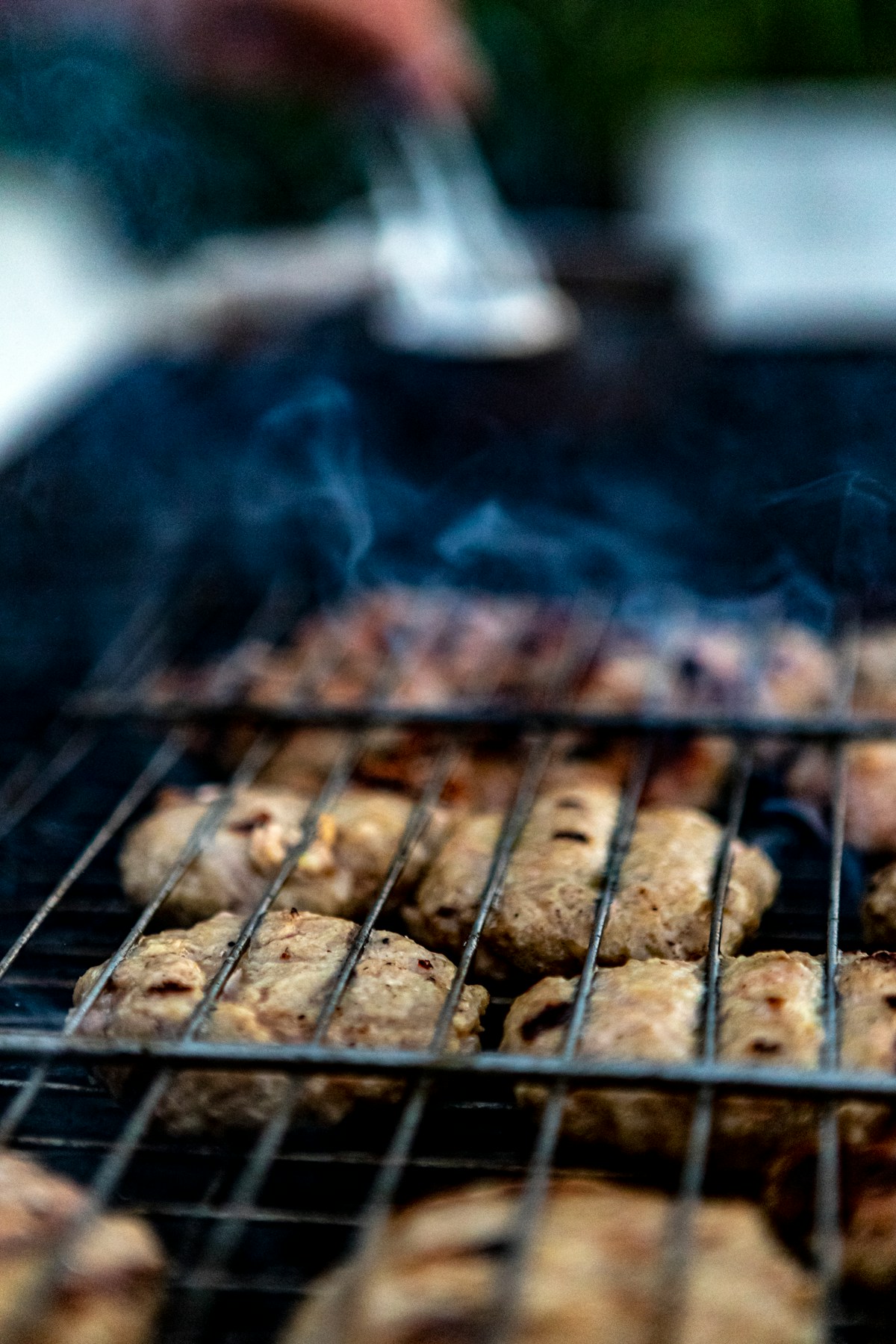
Jeju City food guide: heukdwaeji black pork barbecue, haenyeo-caught abalone and sea urchin, hallabong citrus, and Dongmun Market street food.
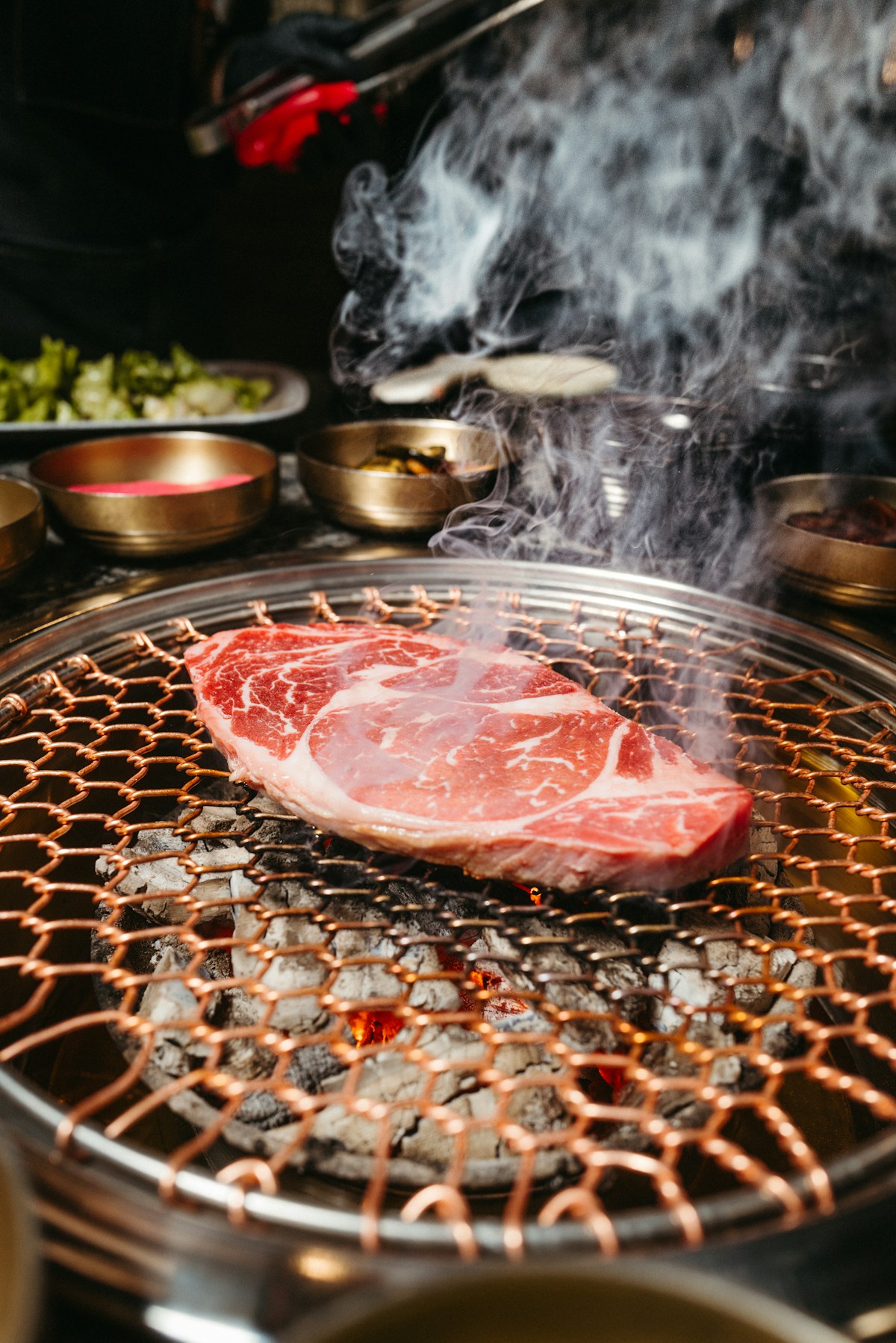
First-timer's guide to Korean BBQ - cuts to order, etiquette at the table, how grilling works, and the best restaurants in Seoul, Busan and beyond.
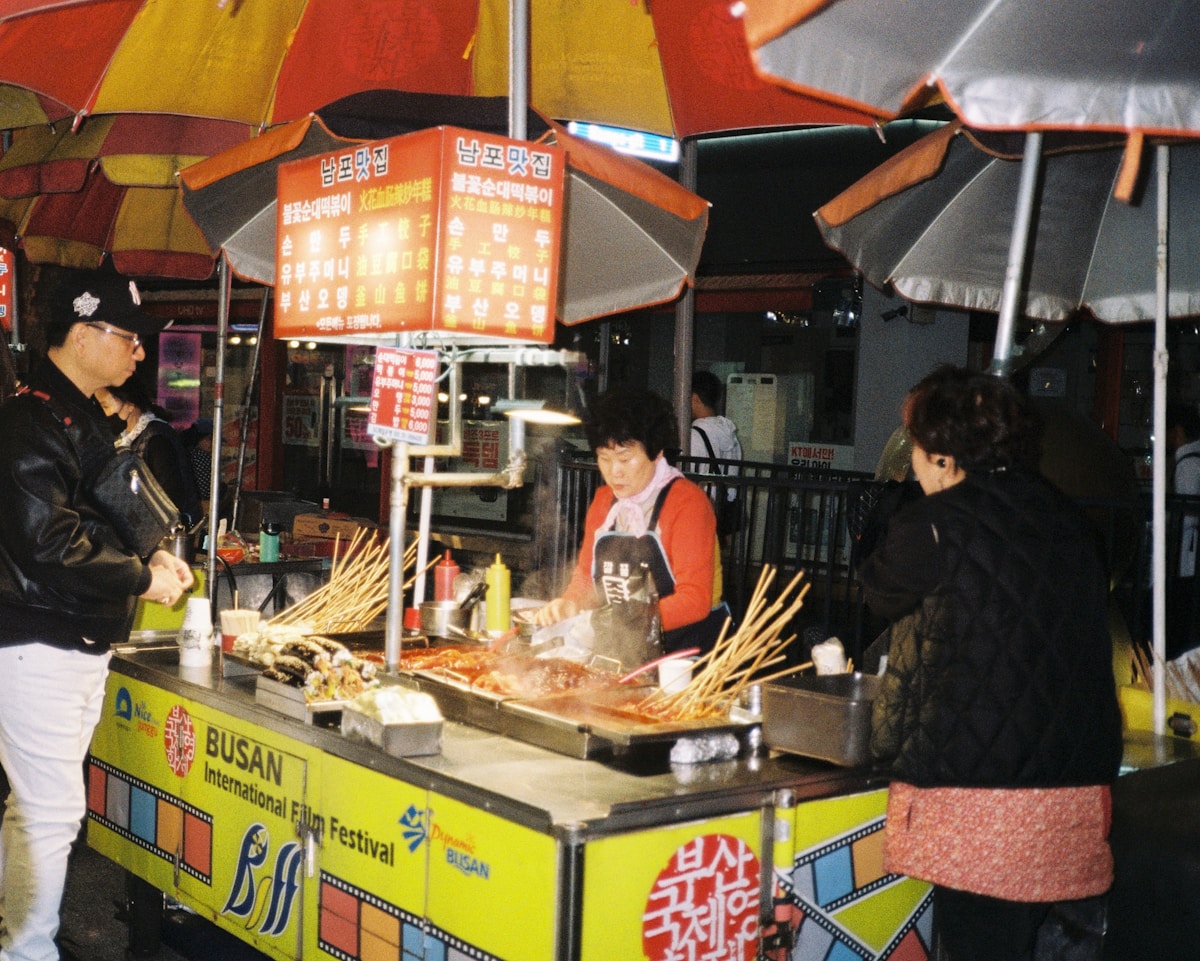
Gwangjang, Namdaemun, Jagalchi, and Tongin market are South Korea's top street food destinations - tteokbokki from KRW 3,000, bindaetteok from KRW 4,000.
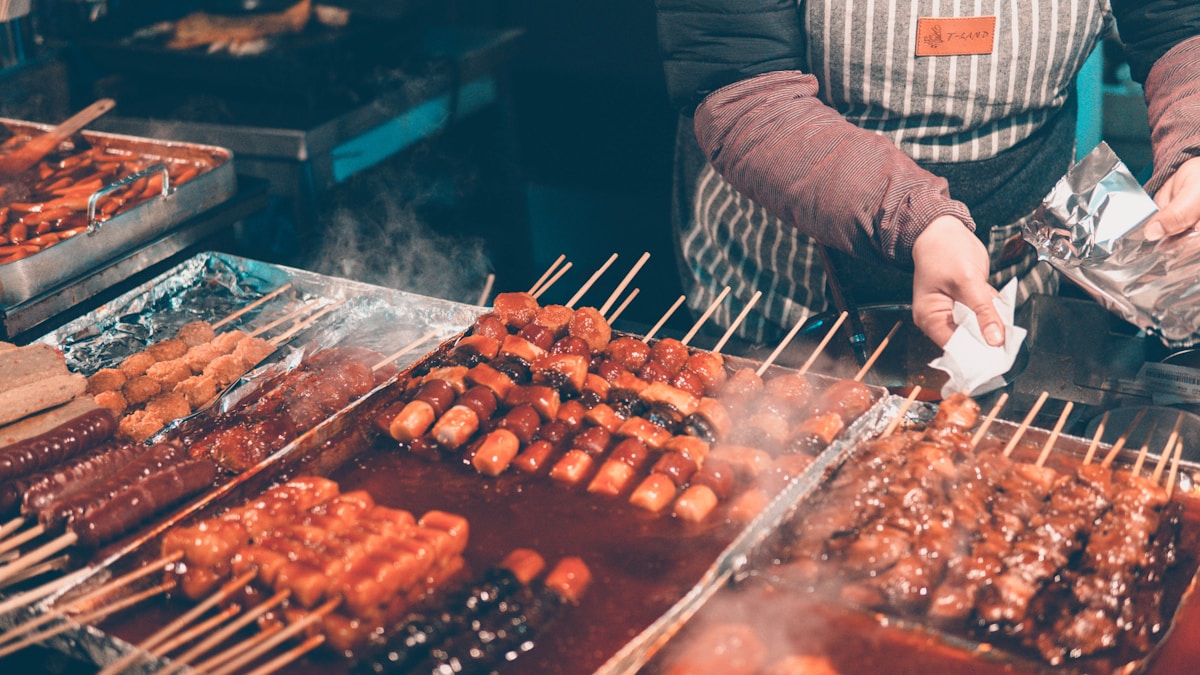
The best food tours in Seoul - night market walks, street food crawls, and cooking classes. Named operators, prices in KRW, and what each tour covers.
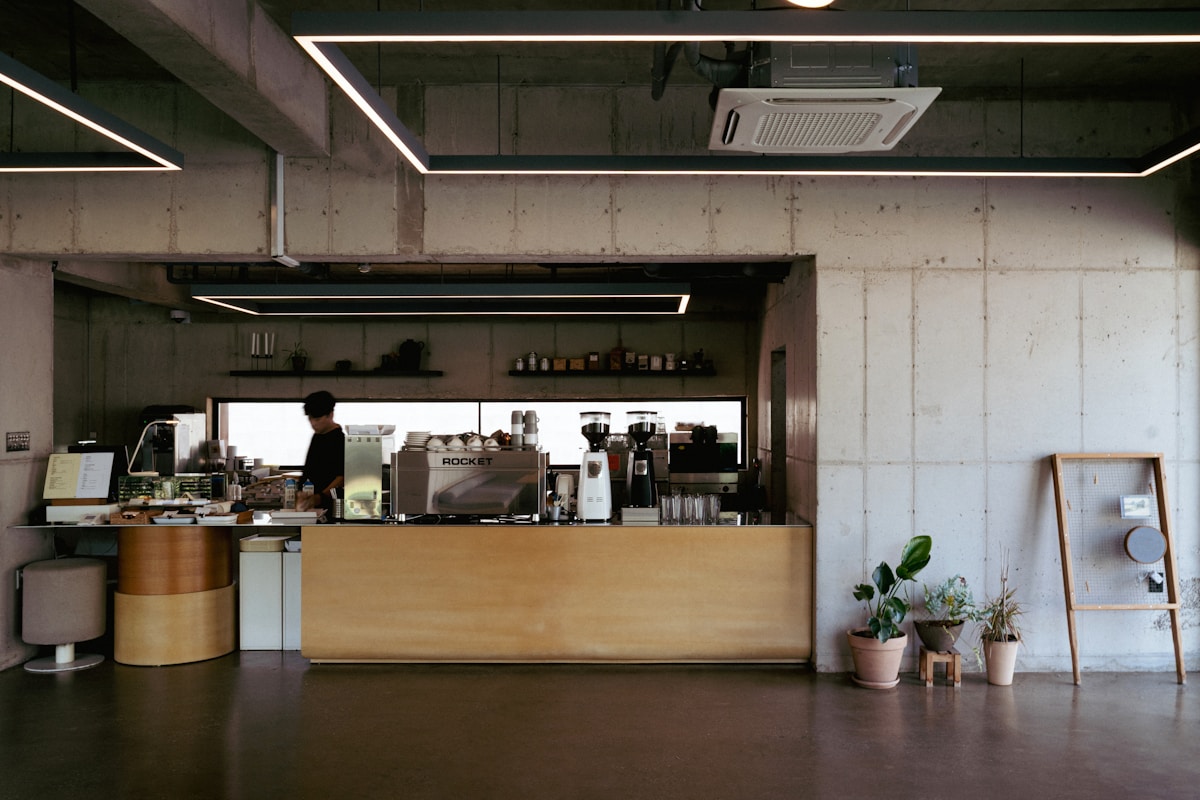
Seoul's specialty coffee scene - third-wave roasters, single-origin shops, and dessert cafes across Seongsu-dong, Yeonnam, and Hongdae. From KRW 5,000.
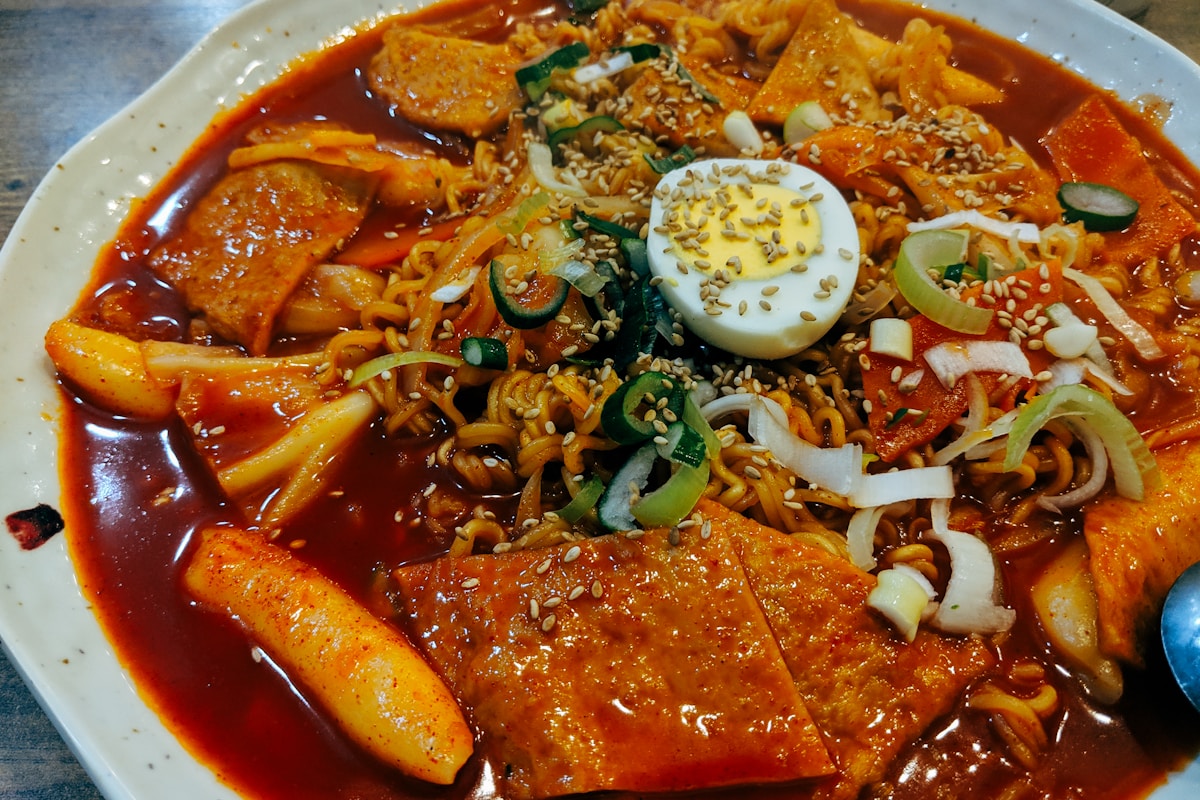
Jeonju food guide: the city's famous bibimbap, makgeolli taverns, kong-namul gukbap, and the best street food in the hanok village.
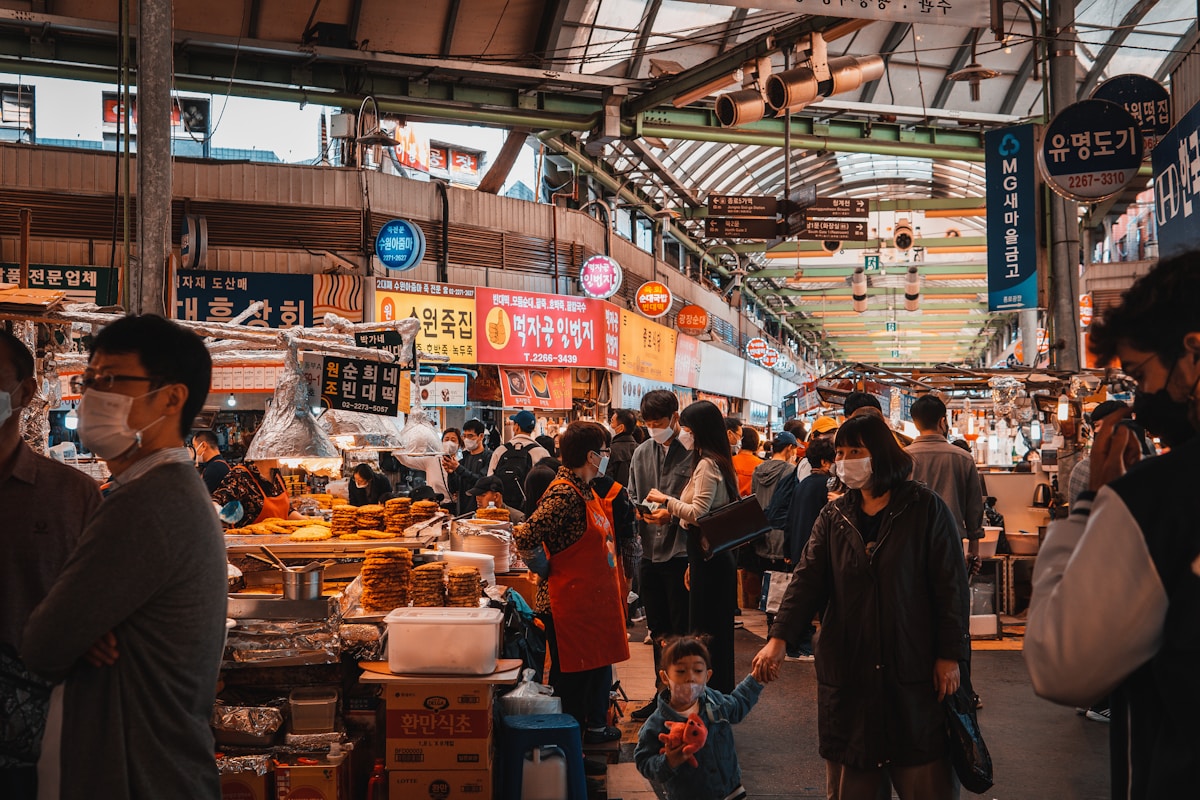
Busan food guide: Jagalchi Market seafood, milmyeon noodles, dwaeji gukbap pork soup, and the street food of BIFF Square.
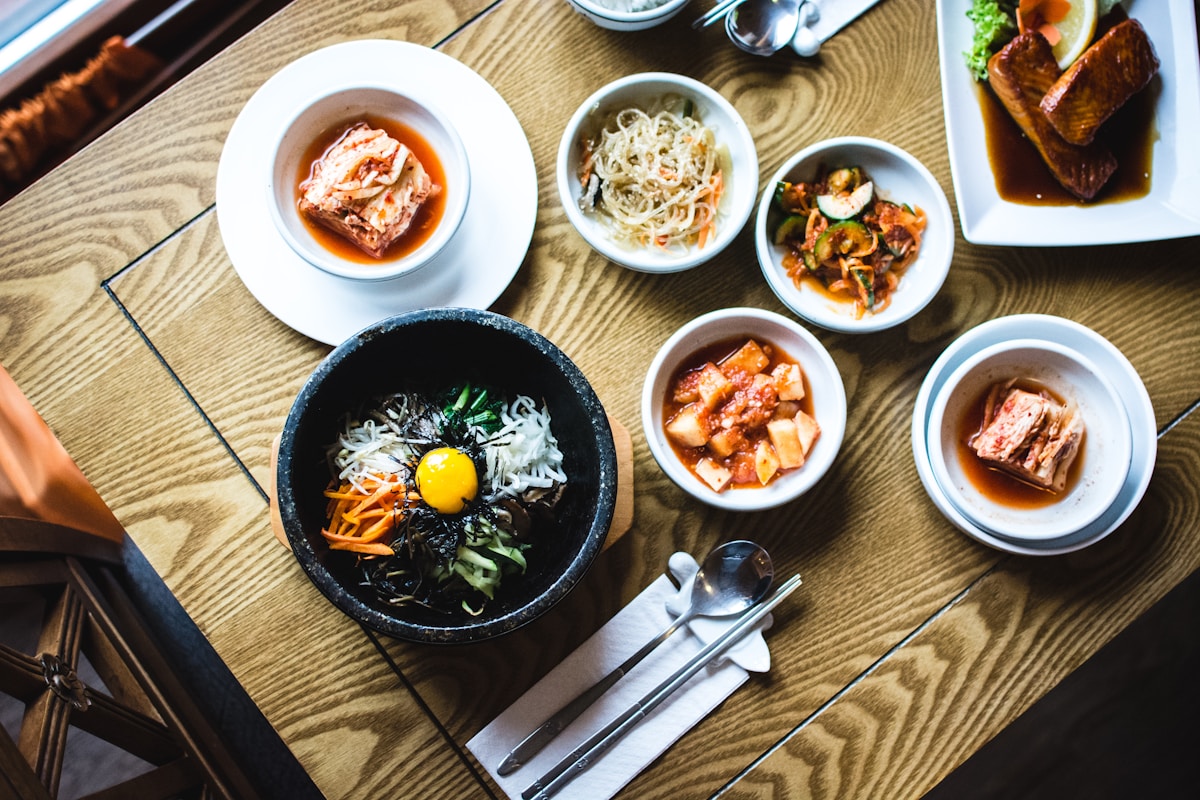
Seoul's food scene by neighbourhood: Gwangjang Market bindaetteok, Mapo-gu BBQ, Ojangdong naengmyeon, and Jongno tteokbokki. Updated for 2026.
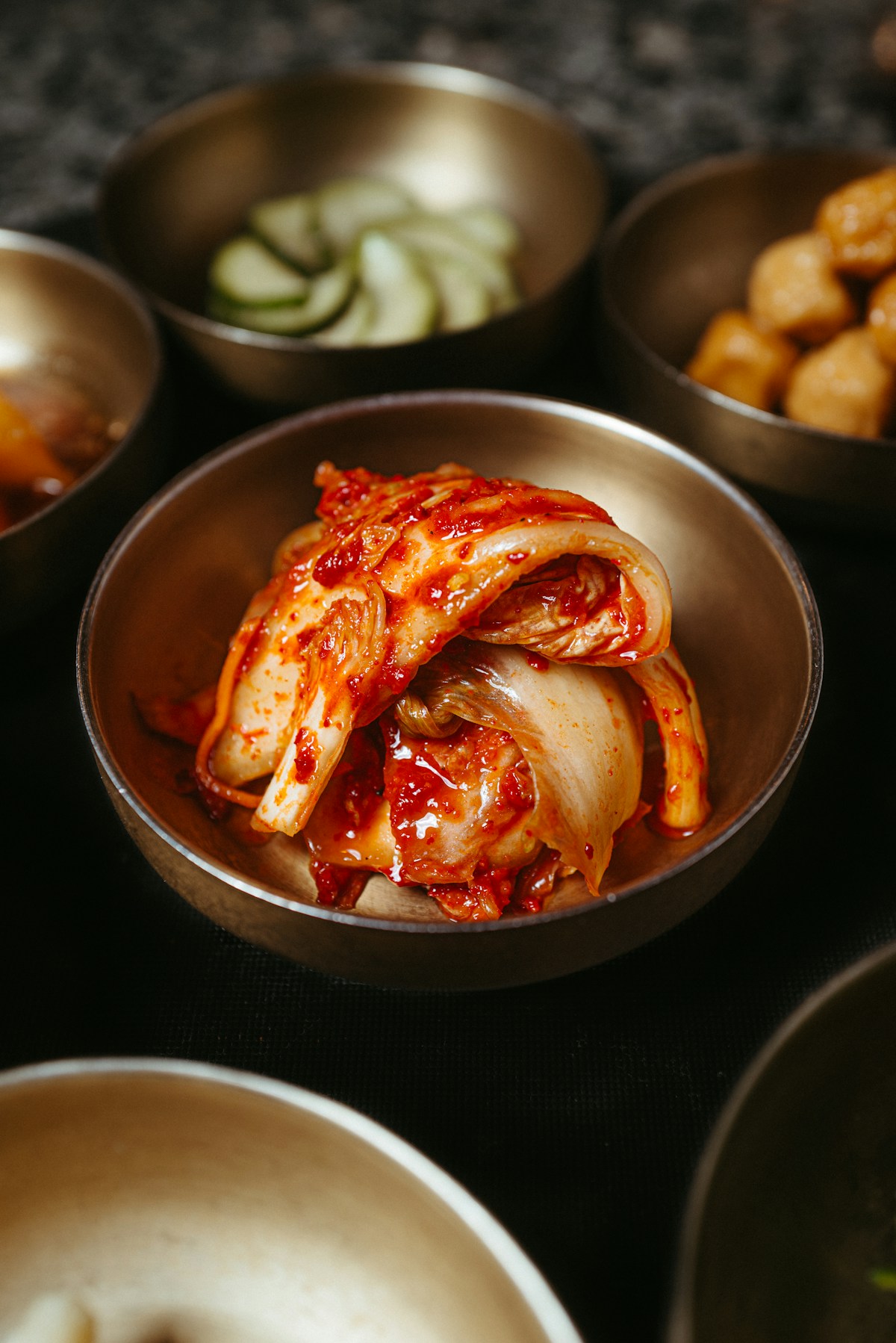
Bibimbap, bulgogi, samgyeopsal, and jjigae are the staples, but regional specialities and market dining define the full picture of Korean cuisine.
Book an experience
Market tours, cooking classes, and street food walks, book ahead for the best options.
Find tours and experiences in South Korea