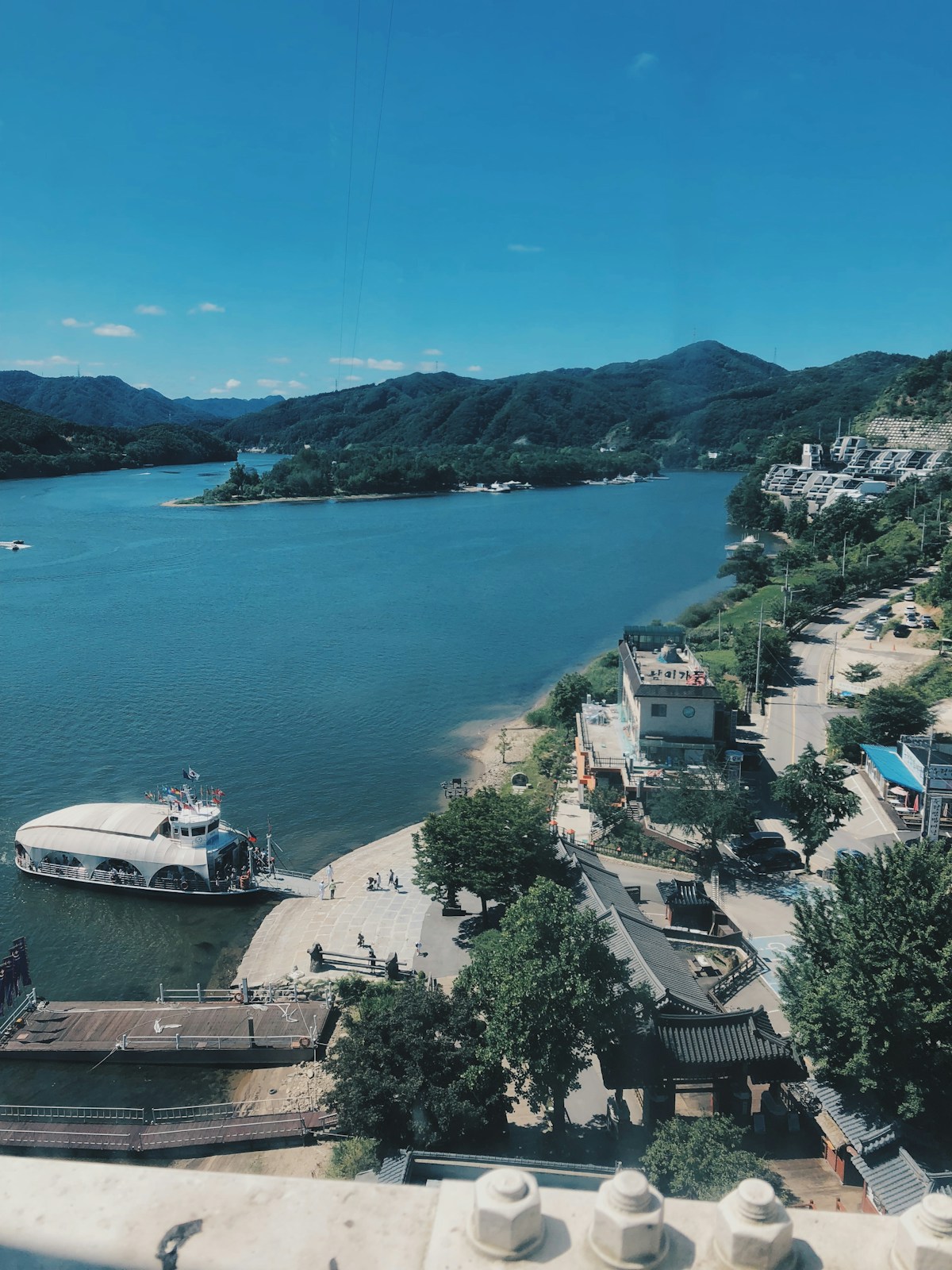
Nami Island sits in the North Han River in Gapyeong County, Gyeonggi-do, approximately 75 kilometres northeast of Seoul. It is one of the most-visited day trip destinations from the capital - particularly in the three to four weeks when the poplar and ginkgo tree avenues turn gold in late October and early November, creating the scenery that made the island internationally recognisable through the 2002 Korean drama Winter Sonata.
This guide covers every transport option from Seoul, ticket prices, the best seasons to visit, how to spend a full day in the Gapyeong area, and photography tips for making the most of the tree-lined paths. For what to do once you arrive - K-drama heritage, cycling routes, and wildlife - see our Nami Island on-island guide.
Getting to Nami Island from Seoul
Option 1: ITX Cheongchun Train (Recommended)
The fastest and most comfortable public transport option.
- Take Seoul Metro to Cheongnyangni Station (Line 1/Gyeongui-Jungang Line or Line 5 - check your starting point)
- Board the ITX Cheongchun train from Cheongnyangni to Gapyeong Station - approximately 70–80 minutes, departures every 30–60 minutes.
- From Gapyeong Station, take the Gapyeong County tourist bus (Route 33 or the island shuttle, approximately KRW 3,000–5,000) or a taxi (approximately KRW 7,000–12,000) to Gapyeong Wharf.
- Purchase your ferry ticket at the wharf office and board the 5-minute river crossing to the island.
Train cost: Approximately KRW 4,500–5,700 one way as of 2026.
Ferry + entry: KRW 17,000 per person round trip, including island entry, as of 2026.
Total transport time from central Seoul: Approximately 2 hours.
Option 2: Gyeongchun Line (Metro, Slower and Cheaper)
The Gyeongchun Line (Metro Line 67, part of Korail) runs from Sangbong Station (Line 7) to Gapyeong, stopping at more stations and taking approximately 30–40 minutes longer than the ITX train. Fare is cheaper (approximately KRW 2,400–3,000 as of 2026) and trains are more frequent. For those with time but a tighter budget, this is a reasonable alternative.
Option 3: Organised Shuttle Bus from Seoul
Multiple operators run direct shuttle buses from major Seoul departure points - Myeongdong (Hotel Skypark area), Hongdae, and Gangnam - directly to Nami Island, often combining Petite France and Garden of Morning Calm in the same day trip.
Cost: Approximately KRW 20,000–35,000 return per person for the shuttle bus only, as of 2026. Day trip packages including entry fees cost approximately KRW 40,000–65,000 per person.
Pros: Door-to-door convenience, no transfer navigation, return transport confirmed.
Cons: Fixed departure and return times constrain how long you can spend at each site. Check departure times carefully - some early-morning shuttles depart Myeongdong at 07:30 or 08:00.
Book through GetYourGuide, Klook, or directly through tour operators.
Option 4: Zipline One-Way Crossing
The Nami Island zipline (남이섬 집라인) crosses the river from a launch platform on the mainland side near Gapyeong Wharf to a landing point on the island. It is a one-way crossing - you return by the regular ferry.
Cost: Approximately KRW 38,000 per person as of 2026.
Duration: The crossing takes approximately 60 seconds.
Note: The zipline does not replace the return ferry. You pay the entry fee separately when crossing by zipline; the KRW 17,000 ferry ticket is not required for the outbound journey if you zipline, but you need the ferry for the return. Check current ticketing at the wharf - the arrangement may change.
What to Do on Nami Island
The Tree Avenues
Nami Island’s most famous feature is the set of straight tree-lined paths running across its length. The main avenues:
- Poplar Tree Road (메타세쿼이아길): The widest and most-photographed avenue, with dawn redwood (metasequoia) trees creating a cathedral effect on the central path.
- Ginkgo Tree Road: Gold-leaved ginkgo avenue running parallel to the poplar road. Peak colour is typically a week later than the poplars.
- Pine Tree Road: A quieter, shadier avenue with less autumn drama but good for undisturbed photography.
The avenues are approximately 500–700 metres long and take 10–20 minutes to walk end-to-end. Most visitors walk each avenue in both directions to get different lighting angles.
Cycling
Bicycle rental is available at the island’s main entrance area. A circuit of the island by bicycle takes approximately 60–90 minutes at a relaxed pace and gives access to quieter paths on the river-facing edges not easily reached on foot.
Rental cost: Approximately KRW 7,000 per hour or KRW 15,000–20,000 for the day as of 2026. Tandem and cargo bikes also available.
Animal Encounters
The island’s natural sections are home to ostriches that wander certain paths near the southern end of the island. Squirrels are present in the tree avenues and are accustomed to visitor interaction. These are not organised petting zoo experiences - the animals are free-roaming, which makes encounters feel more natural if sometimes unexpected.
Outdoor Sculptures and Installations
Nami Island positions itself as a cultural space as well as a natural one, and maintains a collection of outdoor sculptures and art installations distributed across the grounds. A painted walkway (based on the 15th century painting “A Map of the Five Peaks”) and several artist-residency works are scattered through the forested sections.
Restaurants on the Island
Several restaurants operate within the island, including a central restaurant serving Korean set meals. Expect queuing during peak season (autumn weekends).
Approximate costs: Korean set lunch approximately KRW 12,000–18,000 per person. Cafe drinks KRW 6,000–10,000. Bring snacks if visiting in peak season to avoid the longest queues.
Petite France
Petite France is a French village-themed cultural park in Cheongpyeong, approximately 5–10 km from Gapyeong Wharf. It was built in 2008 as a cultural exchange centre and rose to widespread recognition after being used as a filming location for the Korean drama My Love from the Star and the variety programme Running Man.
The park contains French-style architecture (tiled roofs, shuttered windows, blue and white facades), a collection of paintings and artefacts related to Le Petit Prince author Antoine de Saint-Exupéry, traditional puppet shows, and panoramic views of the Cheongpyeong reservoir.
Entry cost: Approximately KRW 12,000–15,000 per person as of 2026.
Time required: 1.5–2 hours.
Getting there from Nami Island: Take the Gapyeong County tourist bus from the island’s main exit toward Gapyeong Station, then change to the bus toward Petite France and Garden of Morning Calm. Alternatively, taxi between sites (approximately KRW 8,000–12,000 per journey).
Garden of Morning Calm (아침고요수목원)
The Garden of Morning Calm is a private botanical garden in Gapyeong covering approximately 330,000 square metres across a hillside. It was established in 1996 by horticulture professor Han Sang-kyung and contains over 5,000 plant species in themed garden sections.
The garden is notable in four seasons:
- Spring: Cherry blossoms (early April) and tulips.
- Summer: Herb gardens and iris sections.
- Autumn: Chrysanthemum exhibitions and autumn foliage (October–November).
- Winter: Outdoor light festival (October–March), where the garden’s paths and structures are illuminated after dark - one of the more distinctive winter evenings near Seoul.
Entry cost: Approximately KRW 12,000–15,000 per person as of 2026, with slight premium for the winter light festival period.
Time required: 2–3 hours.
Full-Day Gapyeong Itinerary
This itinerary works for a day trip departing Seoul around 08:00–09:00.
08:00–08:30 - Depart Cheongnyangni Station on ITX Cheongchun train.
09:30–09:45 - Arrive Gapyeong Station. Take tourist bus or taxi to Gapyeong Wharf.
10:00 - Board Nami Island ferry. Begin island exploration.
10:00–12:30 - Walk tree avenues, cycle the island perimeter (optional), visit sculpture trail.
12:30 - Lunch on the island or back at Gapyeong Wharf (several restaurants in the wharf area).
14:00 - Tourist bus from Gapyeong Wharf to Petite France.
14:30–16:00 - Petite France.
16:00 - Bus or taxi to Garden of Morning Calm (if visiting spring/summer/autumn only - skip in favour of early return if not in season).
16:30–18:30 - Garden of Morning Calm.
18:30 - Return bus to Gapyeong Station. ITX Cheongchun train back to Seoul.
19:30–20:00 - Arrive back at Cheongnyangni.
Budget estimate (per person):
- ITX Cheongchun return: approximately KRW 9,000–11,400
- Tourist bus (day pass): approximately KRW 5,000–8,000
- Nami Island entry + ferry: KRW 17,000
- Petite France entry: approximately KRW 12,000–15,000
- Garden of Morning Calm entry: approximately KRW 12,000–15,000
- Lunch and snacks: approximately KRW 12,000–18,000
Total: approximately KRW 65,000–85,000 per person
Photography Tips
Best light on tree avenues: Early morning (09:30–11:00) before crowds arrive and while directional light still falls through the avenue canopy. Late afternoon (15:30–17:00) in autumn for warm side-light on golden leaves.
Avoid midday in autumn peak season: 11:00–14:00 on October and November weekends brings the highest visitor density. The avenues photograph best when people are not flowing continuously through the frame.
Ginkgo vs poplar timing: In most years, the poplar (dawn redwood) avenue peaks slightly earlier than the ginkgo avenue - sometimes by a week. Check current foliage reports (Korean social media and travel forums track this closely) in late October to identify which avenue is at peak on your specific visit date.
Riverside paths: The less-visited eastern riverside paths (facing the water rather than running through the island centre) offer unobstructed views of the North Han River and the mountains behind. Less crowded than the central avenues and photogenic in any season.
Book a Nami Island Day Trip on GetYourGuide
Organised tours include return coach transport from central Seoul, Nami Island ferry and entrance, and often additional sites in the Gapyeong area. These are current GetYourGuide options:
| Tour | Duration | From | Includes |
|---|---|---|---|
| Nami Island, K-Drama Garden & Gangchon Rail Bike | 11.5 hours | $38.52/person | Nami Island, K-Drama filming locations garden, 4km rail bike section |
| Nami Island & Garden of Morning Calm (±Railbike) | 12 hours | $54.08/person | Nami Island + Garden of Morning Calm; add rail bike for $66.33/person |
| Nami Island, Petite France & Garden of Morning Calm | 10 hours | $55.10/person | Three Gapyeong sites in one day; railbike add-on available |
| Alpaca World, Nami Island & Garden of Morning Calm | 12.5 hours | $80.79/person | Four attractions including Alpaca World and rail bike or garden options |
All prices include Nami Island entry and ferry. Transport from Seoul included. Prices as of 2026 — check for seasonal variation.
[Browse Nami Island day trips on GetYourGuide →](/go/tours-seoul)
For same-day bookings, browse our last-minute tours page for current availability.
Need a local SIM card? Pick up an eSIM for South Korea through Airalo before you travel.
Seasonal Guide
Spring (late March–early May): Cherry blossoms arrive on the island in late March to early April. The island is notably green and pleasant. Crowds are moderate compared to autumn.
Summer (June–August): Hot, humid, and green. The island is lush but less photographically dramatic. Lower entrance prices at neighbouring sites. Best visited on weekdays to avoid family weekend crowds.
Autumn (late October–mid-November): Peak season. Book accommodation in the Gapyeong area well in advance if staying overnight. Weekday visits strongly recommended to avoid weekend crowds. Foliage peak is usually between the third week of October and the first week of November, though this varies by 1–2 weeks depending on the year.
Winter (December–February): Snow transforms the island into a quieter, more meditative version of itself. Visitor numbers are significantly lower than autumn. The Garden of Morning Calm’s winter light festival makes a December evening particularly worthwhile if you can combine it with an afternoon Nami visit. Dress for -5°C to -10°C temperatures.