Seoul’s guided tour scene is exceptionally well developed — the city has invested heavily in English-language interpretation across its historical sites, and the commercial popularity of Hallyu (the Korean Wave) has produced a category of cultural experiences that doesn’t exist anywhere else. The result is a range of experiences from the geopolitically singular (the DMZ) to the historically layered (Joseon palaces) to the culturally contemporary (K-pop idol districts and Han River leisure culture).
These are the tours that make the most of Seoul’s specific character — experiences that benefit directly from expert local guidance and that would be genuinely diminished done independently.
1. DMZ Tour from Seoul
The Korean Demilitarized Zone — the 4-kilometre-wide buffer separating North and South Korea across the full width of the peninsula — is the single most geopolitically significant landscape in the world accessible on a day trip. Entry is only possible on authorised guided tours; the area remains under military control by the South Korean and US forces.
A standard DMZ day tour from Seoul covers three sites: the Third Tunnel of Aggression, one of four tunnels North Korea dug under the border (discovered in 1978, it’s wide enough to pass 30,000 troops per hour); the Dora Observatory, where binoculars overlook the North Korean landscape including the propaganda village of Kijong-dong; and Imjingak Park, the furthest north civilians could reach before the Sunshine Policy period, now a memorial site with the rusted Freedom Bridge where Korean War POWs crossed home.
The Seoul: DMZ, Gyeongbokgung Palace and City Tour combines the DMZ in the morning with Gyeongbokgung Palace and city highlights in the afternoon — the most efficient single-day structure if you’re covering both major categories. From approximately $55 per person as of 2026.
A dedicated small-group DMZ option — Seoul: Small-Group DMZ Tour with North Korea Experience Hall — adds the North Korea Experience Hall, an exhibition using defector testimonies and documentary material about daily life across the border. From approximately $45 per person.
Duration: 5-10 hours depending on format | Passport required | Best time: Year-round — dress warmly November-March
2. Gyeongbokgung Palace Walking Tour
Gyeongbokgung — the “Palace Greatly Blessed by Heaven” — is the largest of Seoul’s five Joseon-dynasty royal palaces. Built in 1395 under the dynasty’s founder Taejo, it served as the principal seat of the Korean royal family for most of five centuries until its deliberate demolition during the Japanese occupation of Korea (1910-1945), when colonial authorities razed more than 90 per cent of its structures to build the Government-General building on the palace grounds. The ongoing reconstruction project has restored approximately 40 per cent of the original 330 buildings.
Walking through the palace independently is straightforward, but the history is dense and the visual clues are often non-obvious. A guided tour makes a substantial difference here: the significance of the Throne Hall’s proportions, the symbolism of the queen’s quarters versus the king’s, and the specific history of what the Japanese colonial government destroyed and why transforms a beautiful architectural site into a coherent narrative.
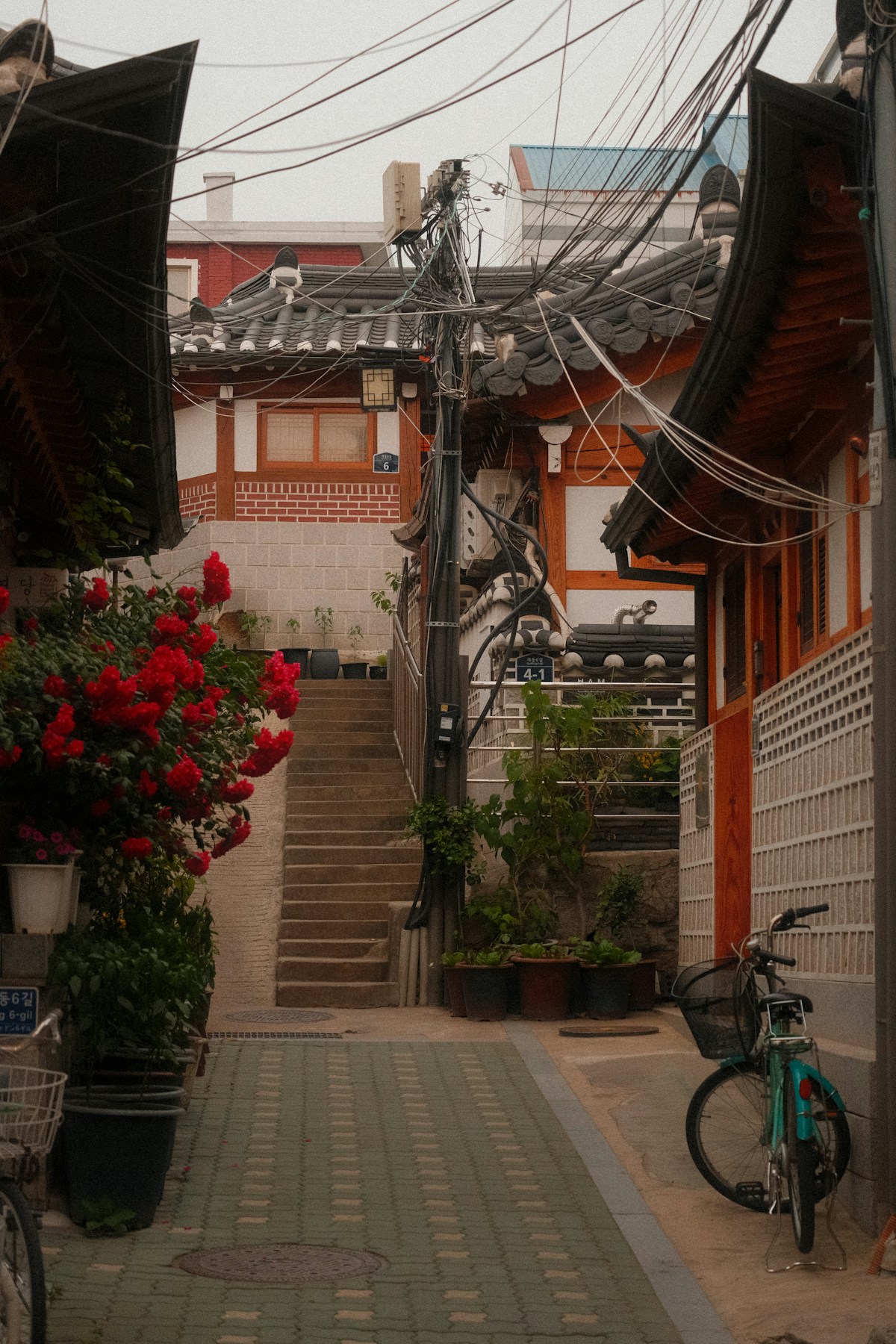
The Seoul: Gyeongbokgung Palace History Walking Tour covers the Throne Hall, Royal Kitchen, Hyangwonjeong Pavilion (the hexagonal pavilion on an island in the garden pond), and extends into Bukchon Hanok Village — the most intact cluster of traditional hanok houses in Seoul, most dating from the 1920s-1930s when wealthy Koreans built new hanok to resist Japanese modernisation. From approximately $25 per person.
The palace is particularly striking in late autumn when the ginkgo trees inside the palace walls turn yellow, and in winter when light snow covers the tile rooftops. Entry fee approximately KRW 3,000 (about $2.25).
Duration: 3-4 hours | Difficulty: Easy | Best time: Spring and autumn for foliage
3. K-Pop Experience and Idol District Tour
Seoul is the operational centre of the global Korean entertainment industry, and the geography of that industry is physically concentrated and surprisingly walkable. The major entertainment companies — SM Entertainment (Cheongdam), HYBE/BigHit (Yongsan), JYP (Mapo), YG (Mapo) — are all within the city, and the Gangnam and Hongdae districts function as the commercial retail face of Hallyu culture.
A guided K-pop neighbourhood tour in Seoul typically covers SM Entertainment’s COEX artium and fan merchandise district in Gangnam, the Hongdae club and live music district where many idol groups performed early in their careers, and the HYBE Insight museum in Yongsan. The guides — often industry insiders or long-term fans with detailed knowledge of the training system — explain how the trainee-to-debut pipeline works, the role of fan culture in sustaining the business model, and the geography of how Seoul physically accommodates this industry. From approximately $30 per person.
For fans of specific groups, dedicated fan-meeting experience tours offer idol cafe visits, official merchandise stores, and filming-location walks tied to specific groups’ music videos and drama appearances. These are worth booking well ahead during comeback seasons.
Duration: 3-4 hours | Best time: Weekdays to avoid weekend crowds in Hongdae
4. Han River Cruise
The Han River — 514 kilometres long, cutting directly through the centre of Seoul — is the city’s most important natural feature and an underrated leisure destination. The riverbanks are lined with 12 riverside parks that Seoulites use intensively: cycling paths, beach volleyball courts, convenience-store terraces for evening picnics, and fireworks viewing spots. Seeing the river by boat gives a perspective on Seoul’s scale and its relationship to the water that’s genuinely different from any land-based tour.
Evening cruises along the Han River pass the Banpo Bridge Moon Fountain (the world’s longest bridge fountain, running coloured water jets from the bridge’s underside at night), the illuminated Olympic Bridge, and the Mapo Bridge. The city skyline at night — the lighted Han River towers, the N Seoul Tower on Namsan, the Gangnam towers reflected in the water — is one of Seoul’s most cinematic views.
Cruise options range from standard sightseeing boats to dinner cruises with Korean barbecue. Han River night cruises run from approximately $18-45 per person depending on format as of 2026. Most depart from Yeouido Ferry Terminal.
Duration: 1-2 hours | Best time: Evening for city lights | Tip: Friday and Saturday evenings often include live music on board
5. Namsangol Hanok Village Tour
Namsangol Hanok Village — located at the foot of Namsan mountain in central Seoul — is a reconstructed village of five traditional hanok houses relocated from various parts of Seoul and restored to demonstrate Joseon-era domestic life across different social classes. Unlike the commercial hanok streets of Bukchon, Namsangol is a dedicated cultural heritage site with free entry, costumed staff, and regular demonstrations of traditional crafts and ceremonies.
A guided tour of Namsangol adds context that the site itself doesn’t provide in English: the structural logic of hanok architecture (the use of ondol underfloor heating, the positioning of rooms relative to compass orientation, the courtyard as social space), the distinction between the yangban aristocracy’s quarters and the servant quarters, and the significance of the time capsule buried on the site’s grounds in 1994 to be opened in 2394. The village is small enough to walk independently, but the guided version covers significantly more of the social history.
Namsangol Hanok Village guided tours run in small groups and typically combine with N Seoul Tower above. From approximately $20 per person.
Duration: 2-3 hours | Entry: Free to the village itself | Best time: Spring cherry blossoms (late March-April) or autumn foliage (October-November)
Choosing the Right Seoul Tour
| Tour | Duration | Best for | From Price |
|---|---|---|---|
| DMZ + Palace + City | 9-10 hrs | First-time visitors, full day | $55 |
| Gyeongbokgung Palace Walk | 3-4 hrs | History depth, hanok district | $25 |
| DMZ Small Group + NK Hall | 5-6 hrs | DMZ + defector context | $45 |
| K-Pop Neighbourhood Tour | 3-4 hrs | Hallyu culture and entertainment | $30 |
| Han River Evening Cruise | 1-2 hrs | City skyline, relaxed evening | $18 |
Prices per person in USD as of 2026. Most tours offer free cancellation up to 24 hours before; check individual listings for specific windows.
Seoul rewards returning visitors differently from first-timers — the palaces are an obvious entry point, the DMZ is a singular experience, but the neighbourhood and food tours reward multiple days. For more on planning your Seoul visit, see our Seoul city guide. Browse all Seoul tours on GetYourGuide.