Seoul’s food scene is one of the city’s strongest draws - a combination of ancient Korean food traditions, creative modern Korean cuisine, and one of the world’s most developed café cultures. Here is a practical guide to what to eat in Seoul, where to eat it, and what to expect to pay in 2026.
Bibimbap
Bibimbap is a rice bowl topped with seasoned vegetables, a fried or raw egg, and gochujang (fermented chilli paste), all mixed together before eating. The name translates directly as “mixed rice.” The dish is served hot (dolsot bibimbap) in a heated stone bowl or cold at room temperature.
In Seoul, good bibimbap is available at almost any Korean restaurant. A stone bowl version at a sit-down restaurant typically costs KRW 10,000–15,000 as of 2026. Jeonju is technically the city most associated with bibimbap, but Seoul’s versions are strong - look for restaurants specialising in it near the Insadong or Gwanghwamun areas.
Bulgogi
Bulgogi (literally “fire meat”) is thin-sliced beef marinated in soy sauce, sugar, sesame oil, garlic, and pear or apple juice, then grilled or stir-fried. It is one of the most internationally recognised Korean dishes and is widely available across Seoul.
At casual restaurants, bulgogi typically costs KRW 12,000–20,000 per portion as of 2026. High-end bulgogi restaurants using premium marbled beef can run significantly more.
Samgyeopsal (Korean BBQ)
Samgyeopsal - thick-cut pork belly grilled at the table - is the definitive Korean BBQ experience for most visitors. Diners cook the meat themselves over a gas or charcoal grill, then wrap slices in lettuce with garlic, gochujang, and sliced green onion.
The Mapo district, particularly around Mapo Station and the area toward Hapjeong, has a high concentration of samgyeopsal restaurants and is considered one of the better strips in the city for this. A full meal with banchan (side dishes) and drinks for two typically runs KRW 40,000–70,000 as of 2026.
Dosamgyeopsal (charcoal-grilled pork belly) is the premium version found at specialist restaurants - noticeably more flavourful than the gas-grill standard.
Tteokbokki
Tteokbokki (rice cake in spicy sauce) is Seoul’s most ubiquitous street food - cylindrical rice cakes cooked in a gochujang-based sauce, often with fish cake and boiled egg. It is intensely savoury and moderately spicy.
Gwangjang Market serves some of the best versions in the city, alongside bindaetteok (mung bean pancakes). A standard tteokbokki portion at a market stall costs approximately KRW 5,000–8,000 as of 2026. The dish is also available at almost every pojangmacha (street food tent) across the city.
Sindang-dong Tteokbokki Town, near Sindang metro station, is a famous cluster of restaurants specialising in larger, more elaborate versions of the dish served with additional components.
Korean Fried Chicken
Korean fried chicken differs from other traditions in using a double-fry technique that produces exceptionally crispy skin, and the wings are typically coated in sweet, spicy, or soy-garlic glazes. It is closely associated with beer (the combination is called chimaek - chicken plus maekju).
The Mapo area has a strong concentration of fried chicken restaurants and pojangmacha. Franchise brands like BBQ Chicken, Kyochon, and BHC operate throughout the city; independently run shops are often better. A half-chicken typically costs KRW 18,000–25,000 as of 2026.
Kimchi Jjigae
Kimchi jjigae (kimchi stew) is perhaps the most everyday of Korean home-cooked dishes - fermented kimchi simmered with pork or tuna, tofu, and broth. It is deeply savoury, spicy, and sour. Almost every Korean restaurant serves it.
At a standard lunch restaurant, kimchi jjigae typically costs KRW 8,000–12,000 as of 2026, including rice and banchan side dishes. The quality is usually best at small local restaurants (bunsik or jungsikdang) away from tourist areas.
Bingsu
Bingsu is shaved ice dessert - finely shaved to a snow-like texture and topped with red bean paste, condensed milk, fruit, or a range of seasonal toppings. It is a summer staple but served year-round at dedicated dessert cafés.
Cafés in Insadong and Bukchon have popularised more elaborate versions using injeolmi (toasted soybean powder) or premium seasonal fruit. A single bingsu at a café typically costs KRW 12,000–18,000 as of 2026. Patbingsu - the traditional version with red bean - is cheaper at smaller shops (KRW 8,000–10,000).
Street Food: Myeongdong
The pedestrianised main street of Myeongdong is the most concentrated street food zone for tourists. Evening vendors set up stalls selling:
- Tteokbokki: KRW 3,000–5,000
- Korean corn dogs (hotdog or mozzarella, battered and fried): KRW 3,000–5,000
- Takoyaki-style octopus balls: KRW 3,000–4,000
- Egg bread (gyeran ppang): KRW 2,000–3,000
- Skewered meats and seafood: KRW 4,000–8,000
The density of vendors makes Myeongdong the easiest place to try multiple dishes without committing to a restaurant. It is busy, which also means turnover is high and food is fresh.
Noryangjin Fish Market
Noryangjin is one of Seoul’s main wholesale fish markets, operating 24 hours a day. Visitors can walk through the stalls selecting live seafood - crab, sea cucumber, clams, flatfish - then take their choice to the restaurant area upstairs to have it prepared as sashimi, grilled, or in broth.
Prices depend on the type and season. A sashimi platter for two prepared from market-bought fish typically costs KRW 30,000–60,000 in total as of 2026, including the preparation fee. The market is under Noryangjin metro station (line 1 and 9). Early mornings and late evenings see the highest activity.
Book guided tours and activities in Seoul through GetYourGuide.
Pick up an eSIM for South Korea to stay connected throughout your trip - Airalo offers easy top-up plans.
Gwangjang Market
Gwangjang Market in Jongno is one of the oldest markets in Korea and has developed a strong food section that draws both locals and visitors. The covered central food hall specialises in:
- Bindaetteok (mung bean pancakes): crispy, filling, and one of the market’s signature dishes. Approximately KRW 5,000–7,000 per portion as of 2026.
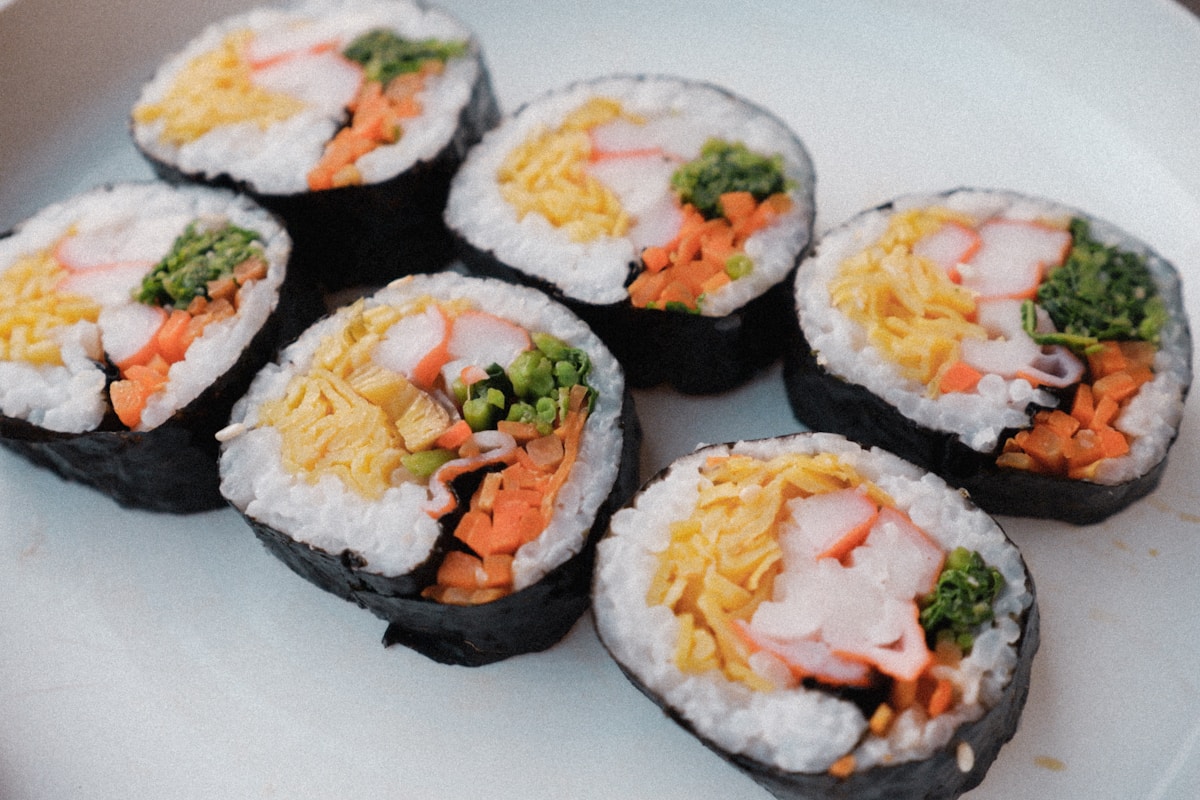
- Mayak kimbap: tiny seaweed rice rolls dipped in mustard and soy sauce. Around KRW 3,000 per set.
- Yukhoe (raw beef): a Korean version of tartare, served with pear and sesame. KRW 10,000–15,000.
- Sundae (blood sausage): typically KRW 5,000–8,000 per plate.
The market is open from around 08:00 to 21:00 most days. The food section is busiest at lunch. Access is easiest from Jongno 5-ga metro station (line 1).
For more on where to base yourself in Seoul, read our Seoul where to stay guide. For attractions and day trips, see things to do in Seoul.