Quick Answer
April and May, or September and October are the best times to visit South Korea for most travellers. Spring brings cherry blossoms and mild temperatures across the country; autumn delivers vivid foliage and clear skies. Both seasons sit between the extremes of the monsoon summer and the bitter continental winter, and both offer the country at its most photogenic.
If you are targeting a specific experience - skiing in Gangwon Province, watching cherry blossoms on Jeju, or avoiding school holiday crowds - the timing calculus shifts. Read on for a detailed breakdown.
Season Overview
South Korea has four genuinely distinct seasons shaped by its continental climate and monsoonal summer. Spring (March–May) arrives quickly after a cold winter, with temperatures rising from around 5°C in early March to 22°C by late May in Seoul. The cherry blossom window is narrow - typically one to two weeks per city - which concentrates visitors significantly. Summer (June–August) is dominated by the jangma monsoon, which delivers roughly 60% of Seoul’s annual rainfall between mid-June and late July, followed by hot, humid August. Autumn (September–November) is widely considered the finest season: clear skies, low humidity, daytime temperatures of 15–22°C, and mountain ranges across the country turning red, orange, and gold. Winter (December–February) is dry and cold, with Seoul averaging -3°C in January, but it rewards travellers with quieter temples, lively ski resorts in Gangwon, and the spectacle of snow-covered palaces.
Month-by-Month Overview
| Month | Avg Temp (Seoul) | Rainfall | Crowds | Prices | Notes |
|---|---|---|---|---|---|
| January | -3°C / -6°C low | Low | Low | Low | Ski season peak; Seollal holiday surge |
| February | 1°C / -4°C low | Low | Low | Low | Jeju cherry blossoms begin late Feb |
| March | 7°C / 1°C low | Low–Med | Rising | Rising | Cherry blossom season begins |
| April | 14°C / 7°C low | Medium | High | High | Peak blossoms; book well in advance |
| May | 20°C / 13°C low | Medium | Medium | Medium | Warm, clear; Buddha’s Birthday holiday |
| June | 25°C / 18°C low | High | Medium | Medium | Jangma monsoon begins mid-June |
| July | 28°C / 22°C low | Very High | Medium | Low–Med | Peak monsoon; outdoor plans disrupted |
| August | 30°C / 23°C low | High | Medium | Medium | Hot and humid; coastal beaches busy |
| September | 23°C / 16°C low | Medium | Medium | Medium | Chuseok holiday causes travel surge |
| October | 16°C / 9°C low | Low | High | High | Peak autumn foliage; best overall month |
| November | 8°C / 2°C low | Low | Medium | Medium | Foliage ends; quieter and cooler |
| December | 1°C / -4°C low | Low | Low–Med | Low–Med | Festive season; Christmas in Seoul |
Spring: March to May
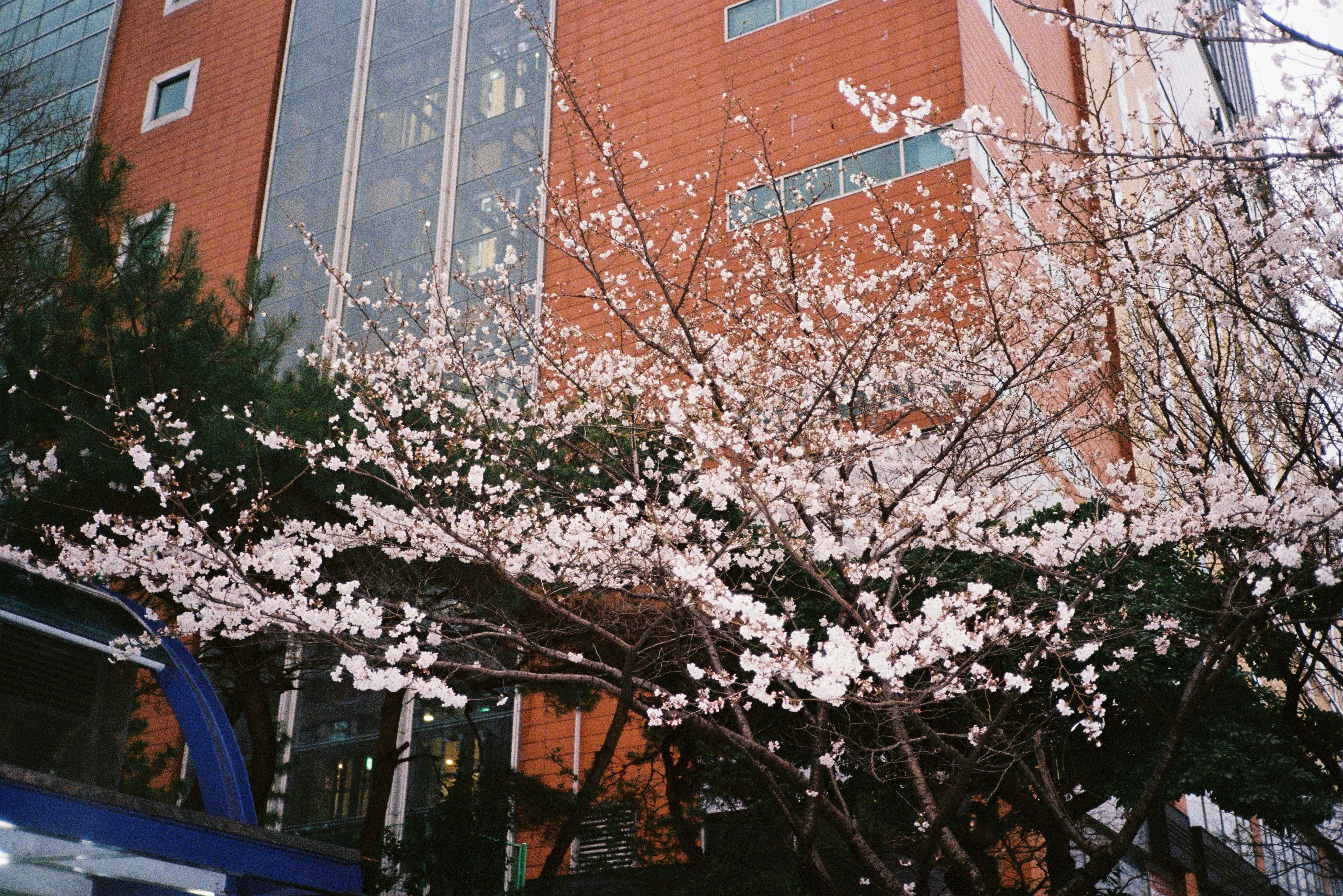
Spring is the season most visitors picture when they think of South Korea, and with good reason. The cherry blossoms begin on Jeju Island in late March - sometimes as early as the last week of February in warm years - then move north through Busan, Gyeongju, and Seoul across the first two weeks of April.
Jeju Island is genuinely worth visiting in late March specifically for the Jeongbang Waterfall and Hallasan foothills in blossom before the mainland rush begins. In Seoul, Yeouido Hangang Park and the path along Cheonggyecheon stream are the most accessible spots, though they attract enormous crowds on weekends during peak bloom.
Beyond blossoms, spring temperatures - typically 10–20°C in April, rising to 18–24°C in May - make it ideal for exploring historic Gyeongju, the open-air palaces of Seoul, and the coastal walking trails around Busan. May is slightly quieter than April but still excellent; the Buddha’s Birthday (Seokga Tansin-il) falls in May and brings lantern festivals to major temples nationwide.
Key spring events:
- Cherry Blossom Festivals (Jinhae, Yeouido, Gyeongju) - late March to early April
- Jeju Canola Flower Festival - late March to mid-April
- Buddha’s Birthday lantern processions - May (exact date varies by lunar calendar)
Practical note: April hotel rates in Seoul and Jeju can be 30–50% higher than January rates. Book accommodation at least two months in advance for the first two weeks of April.
Summer: June to August
Summer is the least popular season for international visitors, and for understandable reasons. The jangma monsoon runs roughly from mid-June to late July, delivering persistent rain and humidity. Seoul receives approximately 800mm of rain between June and August - more than London gets in a full year. Outdoor activities become unreliable, and the heat (28–32°C with high humidity) is uncomfortable for sustained sightseeing.
That said, summer has its advocates. Prices drop compared to spring and autumn, beaches on the south coast and Jeju are busy but lively, and the Boryeong Mud Festival (July, Daecheon Beach) is genuinely popular with both domestic and international visitors. The festival runs over two weekends in mid-July and is one of the more unusual summer events in Asia.
If you are visiting in summer, prioritise Seoul attractions with air conditioning (museums, galleries, jjimjilbang bathhouses), schedule outdoor time for mornings before the heat builds, and keep your schedule flexible around the monsoon.
Key summer events:
- Boryeong Mud Festival - mid-July, Daecheon Beach
- Pentaport Rock Festival - late July, Incheon
- Busan International Film Festival preparation (main event is October)
Autumn: September to November
September and October deliver what many long-term Korea watchers consider the best travelling conditions in the country. The monsoon ends in mid-August, humidity drops sharply, skies clear, and the temperature settles into the 15–22°C range through October.
The mountain parks - Seoraksan in Gangwon Province and Naejangsan in South Jeolla - are at their most dramatic during peak foliage, which typically falls in the second and third weeks of October. The hiking trails in Seoraksan are among the finest in the country at this time, though they are busy on weekends. Gyeongju in autumn is particularly rewarding: the ancient burial mounds and Bulguksa Temple surrounded by turning ginkgo and maple trees.
Chuseok (Korean Thanksgiving, usually late September or early October) is a major domestic travel period. Most Koreans return to their hometowns, which means cities can feel emptier than usual, but intercity trains and buses book up weeks in advance. If your travel dates overlap with Chuseok, book transport well ahead.
Key autumn events:
- Chuseok (Korean Thanksgiving) - late September / early October (lunar calendar)
- Busan International Film Festival - early October
- Seoraksan National Park autumn foliage peak - mid to late October
- Seoul Lantern Festival on Cheonggyecheon - November
Winter: December to February
South Korea’s winter is cold, dry, and underrated as a travel season. Seoul averages -3°C in January with overnight lows of -6°C or colder, and the Gangwon highlands see reliable snowfall from December through February. The cold is manageable with proper clothing, and the rewards are significant: palaces and temples without the crowds, dramatically lower prices on flights and accommodation, and the ski resorts of Gangneung and Sokcho at their best.
Yongpyong Resort and High1 Resort in Gangwon Province are the main ski destinations, both accessible by KTX from Seoul in under two hours. Slopes run from December through March in good snow years. Sokcho serves as the gateway to Seoraksan, which is worth visiting in winter for the snow-dusted rock formations.
Christmas in Seoul is a lively affair - the city decorates heavily, particularly around Myeongdong and Hongdae - and New Year’s Eve on Bosingak bell tower in Jongno is a major event. Seollal (Lunar New Year, January or February) brings the same domestic travel surge as Chuseok, so plan transport accordingly.
Key winter events:
- Christmas illuminations in Seoul (Myeongdong, Cheonggyecheon) - December
- New Year’s Bell Ceremony, Bosingak, Seoul - 31 December
- Seollal (Lunar New Year) - late January or early February
- Hwacheon Sancheoneo Ice Festival - January, Hwacheon (ice fishing on frozen river)
- Taebaeksan Snow Festival - late January, Gangwon Province
Regional Variation
South Korea is not large - it is roughly the size of England - but the climate varies meaningfully between regions.
Seoul and the northwest experience the most extreme seasonal swings: bitterly cold winters and hot, humid summers. Spring and autumn are short but sharp.
Jeju Island (see our Jeju hub) has a milder, more maritime climate. Winters are warmer than the mainland (minimum around 5°C in January), cherry blossoms arrive two to three weeks earlier, and typhoon season (August–September) brings more wind and rain than elsewhere. Jeju is viable year-round in a way the mainland is not.
Busan and the southeast are warmer than Seoul by 3–5°C in both summer and winter. The coastal location moderates extremes. Haeundae Beach is extremely busy in August; the rest of the year, Busan is a more relaxed version of its peak-season self.
Gangwon Province (east coast and highlands) is colder and snowier than Seoul in winter, making it the ski region, and cooler and less humid in summer. It is the most reliable destination in August, when Seoul swelters.
Seasonal Activities
Planning around a specific activity? These guides cover what to expect by season:
- Cherry Blossom Guide - the best viewing spots and timing for each city
- Autumn Foliage in South Korea - Seoraksan, Naejangsan, Gyeongju, and national park peak dates
- Skiing in South Korea - Gangwon Province resorts, runs, and getting there from Seoul
- Temple Stay - overnight programmes at Buddhist temples, costs, and how to book
- Hiking in South Korea - best trails by season from Hallasan to Seoraksan
Monthly Guide Links
For detailed conditions, events, and practical tips for each month, see our monthly guides:
January | February | March | April | May | June | July | August | September | October | November | December
Search for cheap flights to South Korea with Aviasales.
Compare travel insurance with EKTA before you book.
Final Verdict: Who Should Go When
First-time visitors: April (cherry blossoms, mild temperatures) or October (autumn colour, clear skies). Both seasons show the country at its most memorable, and the infrastructure handles the visitor volume well.
Budget travellers: January–February or July–August. Winter offers the biggest savings on flights and hotels. Summer savings are real but come with monsoon trade-offs.
Families with school-age children: Late July or August (school holidays align, beaches accessible) or October half-term. Avoid Chuseok and Seollal travel dates for domestic transport.
Adventure seekers / hikers: October for Seoraksan and Naejangsan foliage hikes, or January–February for ski resorts in Gangwon.
Culture and history focus: March–May or September–November for palace and temple visits without extreme heat or cold.
Jeju Island specifically: Late March for early cherry blossoms and canola flowers before the mainland crowds, or any month except August (typhoon risk) and January (limited ferry services in rough weather).
Search hotels in Seoul on Booking.com
Plan Your Trip
✈️ Book your flights to South Korea 🛡️ Get travel insurance 📱 Stay connected with an eSIM 🚗 Rent a car