For a full year overview, see our best time to visit South Korea guide.
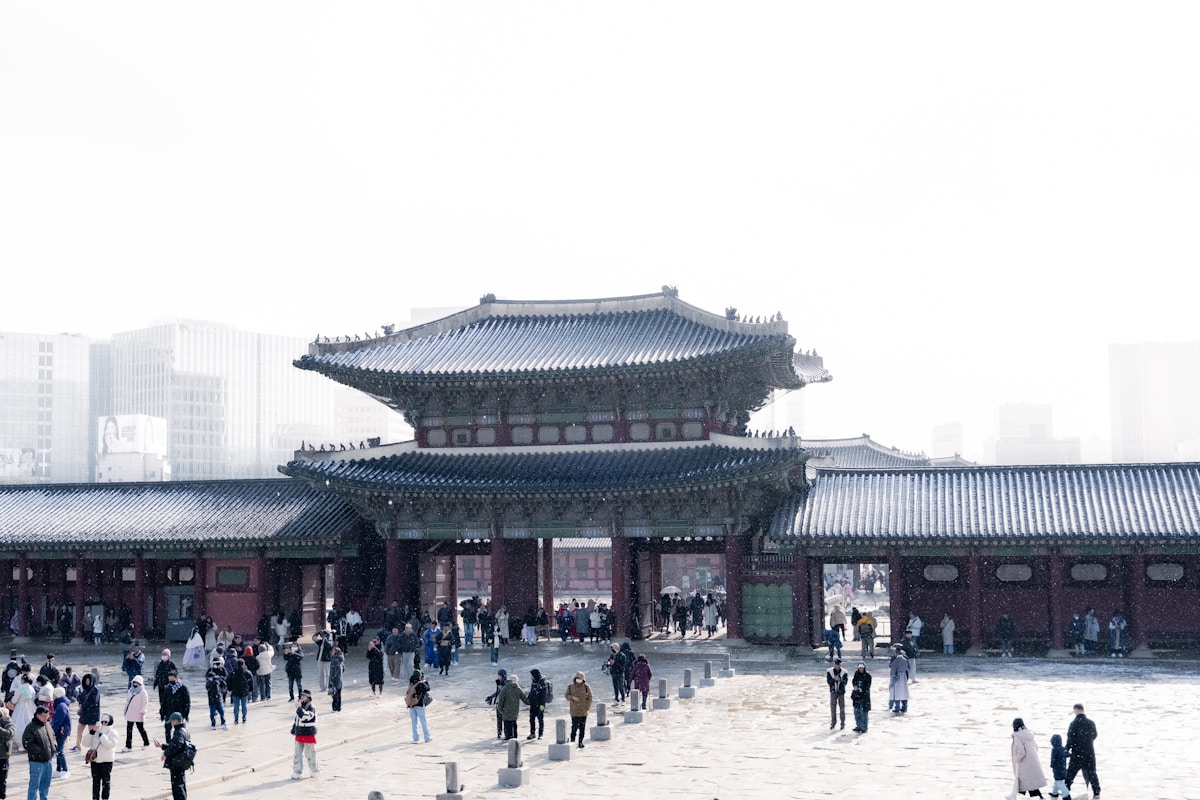
October is the most popular month to visit South Korea and, along with April, the peak of the tourist calendar. Autumn foliage - the reds and oranges of the maple and ginkgo trees - sweeps through the mountains and cities over the course of the month, coinciding with a full calendar of national festivals. The weather is crisp, clear, and ideal for outdoor activities. The only downside is the sheer number of other people with the same idea.
Weather
| City | Avg High | Avg Low | Rainfall | Notes |
|---|---|---|---|---|
| Seoul | 20°C | 9°C | 40mm | Clear blue skies; perfect for walking and hiking |
| Busan | 22°C | 13°C | 35mm | Slightly warmer; comfortable coastal conditions |
| Jeju | 21°C | 14°C | 55mm | Highland areas show early colour; mild days |
| Seoraksan | 15°C | 4°C | 45mm | First freezing temperatures at higher elevations |
October is dry - rainfall is the lowest of any month outside of winter. Humidity is low and skies are reliably clear. It is the most consistently pleasant month for outdoor activities.
Autumn Foliage
Foliage progression by region:
Late September: Seoraksan’s high ridges; Hallasan’s upper slopes Early October: Seoraksan lower valleys; Jirisan high sections; Gyeryongsan Mid-October: Naejangsan National Park (considered the best foliage park in Korea - full maple forests); Jirisan lowland areas; Gyeongju historic parks Late October: Seoul (Namsan, Bukhansan, Changdeokgung’s Secret Garden); Gyeongju fully peaked; Jeju highland areas Early November: Seoul’s streets and parks; Jeju lowlands; southern coast
Festivals in October
Busan International Film Festival (BIFF) - typically the first or second week of October, at venues throughout Busan centred on the Haeundae area and the Busan Cinema Center. One of Asia’s most important film festivals, with Korean and international selections. Individual screening tickets start from approximately KRW 8,000 as of 2026. The BIFF Square and outdoor screenings create a festival atmosphere across the city.
Andong Mask Dance Festival - late September to early October, at the Hahoe Folk Village in Andong. Traditional hahoe mask dance (hahoetal) performances, which are UNESCO-listed. Entry to the festival grounds is approximately KRW 5,000 as of 2026. The festival draws large domestic and international crowds.
Jinju Lantern Festival (Yudeung Namgang) - held in Jinju in late October, along the Nam River near Jinjuseong Fortress. Thousands of paper lanterns float on the river to commemorate a battle during the Japanese invasions of the 1590s. Entry is approximately KRW 3,000 as of 2026. One of the most atmospheric festival experiences in Korea.
Gyeongju Cultural Heritage Festival - Gyeongju’s biggest annual event, typically early October, with performances, cultural demonstrations, and traditional activities at the heritage sites around Tumuli Park and Wolji Pond. Most outdoor events are free.
Where to Stay and Eat
Seoul - Lotte Hotel Seoul in Myeongdong offers premium rooms from approximately KRW 250,000 per night as of 2026, centrally placed for autumn walks to Namsan and Deoksugung. For a more affordable option, Nine Tree Premier Hotel Myeongdong starts from approximately KRW 110,000 per night. For dinner, Gwangjang Market’s stalls serve bindaetteok (mung bean pancakes) from approximately KRW 5,000 per portion - the perfect autumn street food stop.
Busan - Park Hyatt Busan near Haeundae offers sea-view rooms from approximately KRW 300,000 per night as of 2026, convenient for BIFF events. Budget travellers should consider Toyoko Inn Busan Station from approximately KRW 70,000. Halmae Gukbap in Seomyeon serves dwaeji gukbap (pork bone soup) from approximately KRW 8,000 - a Busan specialty.
Gyeongju - Hanwha Resort Gyeongju sits close to the Bulguksa Temple area, with rooms from approximately KRW 100,000 per night as of 2026. Sukyeong Sikdang on Hwangnam-dong serves Gyeongju-style ssambap set meals from approximately KRW 13,000 per person.
Search hotels in Seoul on Booking.com
Crowds and Prices
October is the most expensive and crowded month. National park car parks fill by 08:00–09:00 on autumn weekends. Popular accommodation near Seoraksan, Naejangsan, and Gyeongju books out months in advance. Booking 2–3 months ahead for popular dates is not excessive. KTX tickets to Busan and Gyeongju sell out on Friday afternoons - book early in the week.
Book tours and activities for your trip through GetYourGuide.
Compare travel insurance with EKTA before you travel.
What to Pack
- Mid-weight jacket - a layering system works best as temperatures vary through the day
- Warm layer for evenings and mountain areas (fleece or light down vest)
- Comfortable hiking shoes with good ankle support for national park trails
- Small daypack for hiking essentials (water, snacks, rain cover)
- Sunscreen - October sun is deceptively strong at lower angles
- Camera - October light is the best of the year for landscape photography
For the best autumn foliage spots, timings, and trail conditions, see the autumn foliage guide to South Korea. Peak October destinations: Seoraksan from Sokcho, Gyeongju’s Bulguksa area, and the foliage circuit around Andong. Other monthly guides: September | November | Best time to visit
Plan Your Trip
✈️ Book your flights to South Korea 🛡️ Get travel insurance 📱 Stay connected with an eSIM 🚗 Rent a car