For a full year overview, see our best time to visit South Korea guide.
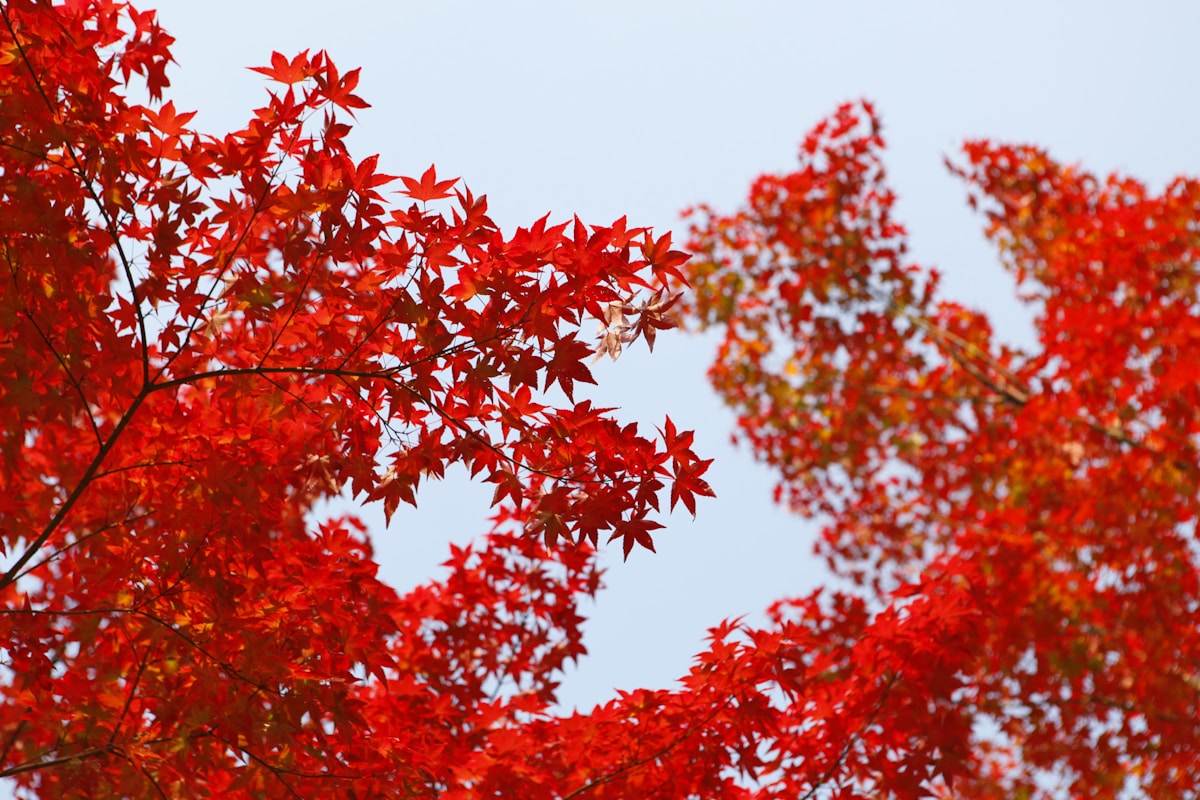
September marks the transition from summer to autumn in South Korea - one of the most appreciated shifts in the Korean climate calendar. The intense heat and humidity of July and August ease noticeably through the month, and by late September the air has the clarity and cool bite of early autumn. The high peaks of Seoraksan and Hallasan begin to show autumn colour before anywhere else.
Weather
| City | Avg High | Avg Low | Rainfall | Notes |
|---|---|---|---|---|
| Seoul | 26°C | 16°C | 130mm | Humidity drops steadily; clear skies by late month |
| Busan | 26°C | 19°C | 150mm | Stays warm longer; occasional late typhoon risk |
| Jeju | 26°C | 19°C | 170mm | Typhoon risk highest here; warm coastal conditions |
| Sokcho | 24°C | 15°C | 140mm | Cooling noticeably; gateway to Seoraksan early colour |
Typhoon risk extends through September - late-season typhoons occasionally affect the southern coast and Jeju. Weather monitoring remains worthwhile. The Korea Meteorological Administration provides English-language typhoon tracking.
Chuseok
Chuseok falls on the 15th day of the 8th lunar month - in 2026 this falls on 25 September. The official holiday spans 3 days (24–26 September in 2026), though the full Chuseok travel period extends a day or two either side.
During Chuseok:
- Train and bus tickets sell out weeks in advance - book very early if travelling between cities
- Many restaurants and smaller businesses close for 2–3 days
- Major tourist attractions hold special events and may have extended hours
- Traditional performances (dances, games, food demonstrations) take place at palaces, folk villages, and cultural centres
- KTX tickets from Seoul to Busan (approximately KRW 59,800 one-way as of 2026) are particularly hard to secure during this period
Experiencing Chuseok as a visitor is memorable - it is one of the few times Korean cultural traditions are visible at scale in public spaces. Gyeongbokgung Palace and the Korean Folk Village in Yongin both host free Chuseok cultural programmes.
What to Do in September
Hiking - September is excellent for mountain hiking once the summer heat eases. Upper sections of Seoraksan and Hallasan may show the first autumn colour by late September. The coastal Olle Trail on Jeju is at its best in September - warm enough for coastal walking, comfortable humidity. Hallasan National Park entry is free; the Seongpanak trail takes approximately 4–5 hours for the summit return.
Cultural sites - attendance is lower in September than in October’s peak autumn season. Gyeongju’s open-air heritage sites and Jeonju Hanok Village are particularly good in September. Bulguksa Temple in Gyeongju charges approximately KRW 6,000 entry as of 2026.
Seoul outdoor activities - the Han River parks resume comfortable outdoor use after summer. Cycling along the Yeouido Hangang Park path is one of the best ways to enjoy September weather; bike rental from the Ddareungi public bike system costs approximately KRW 1,000 per hour as of 2026.
Andong Mask Dance Festival - one of South Korea’s most distinctive regional festivals, usually held in late September or early October at the Hahoe Folk Village in Andong. UNESCO-listed hahoe mask dance performances, traditional games, and cultural demonstrations. Entry to the festival grounds is approximately KRW 5,000 as of 2026. Worth planning around if the timing works.
Where to Stay and Eat
Seoul - Glad Mapo in Mapo-gu offers well-located rooms from approximately KRW 100,000 per night as of 2026, close to Hongdae’s dining and nightlife area. For seasonal eating, Jungsik in Gangnam serves modern Korean tasting menus from approximately KRW 80,000 per person - or for something more casual, Maple Tree House in Itaewon offers galbi (marinated short ribs) from approximately KRW 25,000 per person.
Busan - Hotel Homers in Haeundae starts from approximately KRW 110,000 per night as of 2026, within walking distance of the beach and Haedong Yonggungsa Temple. Gijang Market, approximately 30 minutes from central Busan, is known for its crab dishes - snow crab sets start from approximately KRW 40,000 per person in season.
Jeju - Maison Glad Jeju offers rooms from approximately KRW 90,000 per night as of 2026. Dombe Pork in Seogwipo serves Jeju black pork cooked on a stone plate from approximately KRW 15,000 per person - a local method distinct from mainland barbecue.
Search hotels in Seoul on Booking.com
Crowds and Prices
Early September is still considered shoulder season. Late September picks up as autumn approaches. The Chuseok period specifically sees peak domestic movement and booking complications. Outside Chuseok, September is more manageable than October in terms of crowds and prices.
Book tours and activities for your trip through GetYourGuide.
Compare travel insurance with EKTA before you travel.
What to Pack
- Light summer clothes for early September (the heat lingers into the first week)
- A mid-weight layer for evenings by mid-September - a light fleece or jacket
- Rain jacket for early-month showers and potential typhoon weather
- Comfortable walking shoes for extensive outdoor time - September is a hiking month
- Sunscreen and sunglasses - September sun is still strong
- Layers that can be easily adjusted as temperatures shift through the day
September is the opening of autumn foliage season in South Korea - colour arrives first at Seoraksan in late September before spreading south through October. The Andong Mask Dance Festival also runs in late September–early October. Other monthly guides: August | October | Best time to visit
Plan Your Trip
✈️ Book your flights to South Korea 🛡️ Get travel insurance 📱 Stay connected with an eSIM 🚗 Rent a car