For a full year overview, see our best time to visit South Korea guide.
June is a month of two halves in South Korea. The first two weeks are often among the most pleasant of the year - warm and green without the humidity of high summer. By late June, the jangma (monsoon season) arrives from the south, bringing increased rain, cloud, and rising humidity that continues into July.
Weather
| City | Avg High | Avg Low | Rainfall | Notes |
|---|---|---|---|---|
| Seoul | 27°C | 18°C | 130mm | Warm and dry early; monsoon arrives late June |
| Busan | 24°C | 18°C | 180mm | Monsoon arrives slightly earlier; sea breeze moderates heat |
| Jeju | 25°C | 19°C | 200mm | Enters jangma in mid-June; highest rainfall of the three |
| Gangneung | 24°C | 16°C | 110mm | East coast stays drier longer; good early-June window |
Rain in June is not constant - the monsoon delivers bursts of heavy rain rather than all-day drizzle, often with sunny periods in between. Indoor and outdoor activities remain viable, but having flexible plans and a good rain jacket helps.
Before the Monsoon Hits
East coast beaches - June is a good time to visit the east coast before the July and August beach crowds. Gyeongpo Beach in Gangneung and the Gangwon beaches are relatively quiet in June. Water temperatures are still too cold for comfortable swimming but the scenery is excellent.
Mountain hiking - national parks in June are lush and green. Morning mist in the mountains, particularly at Seoraksan and Jirisan, creates distinctive atmospheric conditions. Seoraksan National Park entry is approximately KRW 3,500 per adult as of 2026. Leeches can be present on forest trails after rain - long trousers and insect repellent are worthwhile.
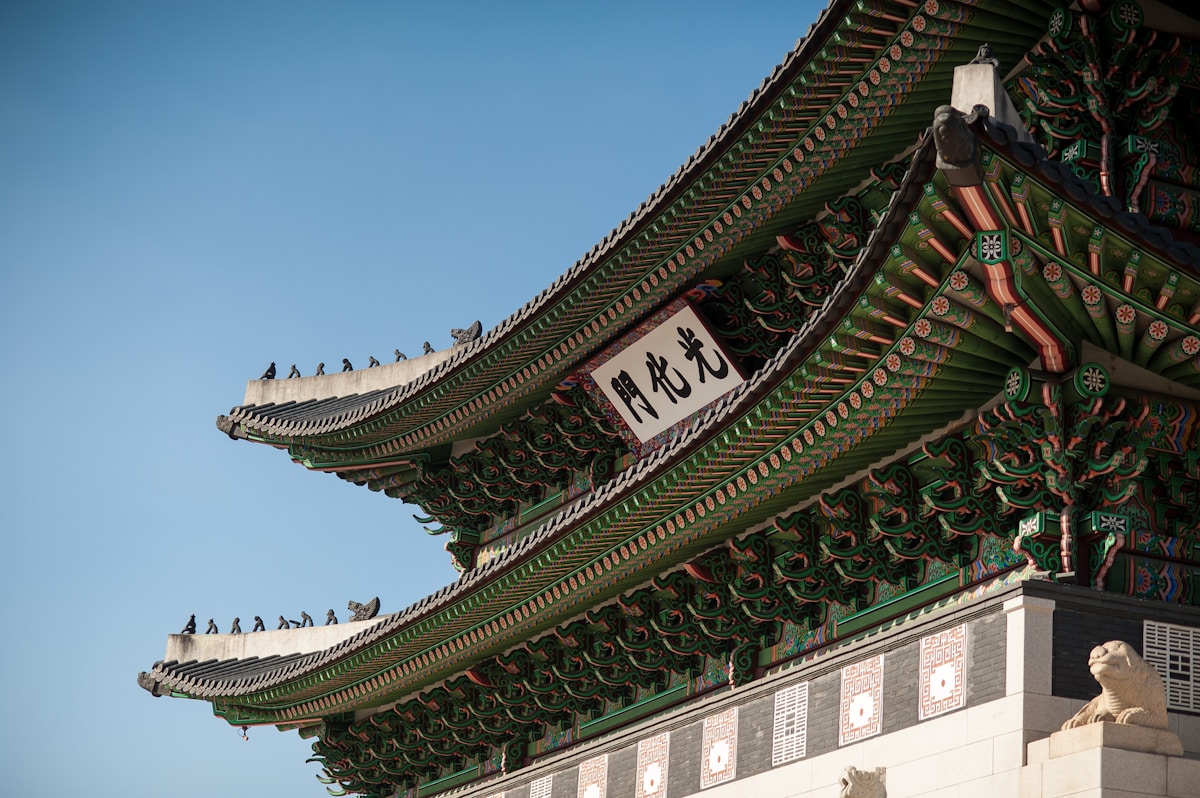
Cultural sites - the palace districts in Seoul and the heritage sites of Gyeongju are less crowded in early June than in spring. Gyeongbokgung Palace entry is approximately KRW 3,000 as of 2026 (free if wearing hanbok). Outdoor sites benefit from the greenery of early summer.
Tea fields - Boseong’s green tea terraces are still at their photogenic best in early June. Entry to the Daehan Dawon tea plantation is approximately KRW 4,000 as of 2026. The first harvest is complete, and the fields are being prepared for the next growth cycle.
Events in June
Dano Festival (Gangneung) - the Gangneung Dano Festival, a UNESCO Intangible Cultural Heritage event, typically falls in late May or early June (based on the lunar calendar). It features traditional mask drama, shamanistic rituals, and a large outdoor market near the Namdaecheon stream. Most events are free to attend.
Seoul Pride Festival - typically held in June in the Jongno district, centred on Seoul Plaza near City Hall. The festival includes a parade and cultural events. Attendance has grown significantly in recent years.
Boryeong Mud Festival preparations - while the main festival is in mid-July, Daecheon Beach in Boryeong begins to see early summer visitors in late June. The beach itself is free; nearby guesthouses start from approximately KRW 50,000 per night as of 2026.
Where to Stay and Eat
Seoul - Hotel28 Myeongdong in the central shopping district offers rooms from approximately KRW 110,000 per night as of 2026, well-placed for palace visits and Bukchon Hanok Village. Tosokchon near Gyeongbokgung serves samgyetang (ginseng chicken soup) - traditionally eaten on the hottest days of summer - from approximately KRW 18,000 per bowl.
Busan - Hotel Foret Premier Nampo provides a central Nampo-dong location from approximately KRW 85,000 per night as of 2026, close to Jagalchi Market and BIFF Square. For summer noodles, Milmyeon Bonjeom in Busanjin-gu serves Busan-style milmyeon (cold wheat noodles) from approximately KRW 8,000 - the city’s answer to hot weather dining.
Gangneung - Seamarq Hotel overlooking the coast starts from approximately KRW 150,000 per night as of 2026, with views over the East Sea. Chodang Sundubu Village, a cluster of restaurants specialising in soft tofu dishes, serves full meals from approximately KRW 10,000 per person.
Search hotels in Seoul on Booking.com
Practical Tips for Monsoon Season
- Pack a good rain jacket or compact umbrella - folding umbrellas are sold at every convenience store for approximately KRW 5,000
- Shoes or sandals that handle wet conditions
- Expect indoor attractions (museums, galleries, cafes) to be busier during heavy rain days
- Check weather forecasts daily - conditions can change quickly
- Rivers and streams can flood rapidly after heavy rain; heed warnings and stay away from low-lying riverside areas during extreme rainfall alerts
Crowds and Prices
Early June is still high season - prices reflect spring/summer demand. Late June sees some drop in international visitors as the rain arrives, though domestic summer travel picks up. Accommodation is generally available but booking in advance remains advisable for popular areas.
Book tours and activities for your trip through GetYourGuide.
Compare travel insurance with EKTA before you travel.
What to Pack
- Lightweight clothes that dry quickly (synthetic fabrics outperform cotton in monsoon humidity)
- Rain jacket or compact umbrella
- Sunscreen for sunny periods (SPF 50+ recommended)
- Insect repellent for mountain trails
- Shoes that handle wet conditions - sandals or lightweight waterproof trainers work better than leather
- A dry bag or waterproof phone case for rainy-day sightseeing
Early June is the last good window for hiking in South Korea before the monsoon arrives - particularly Seoraksan and Hallasan on Jeju. Other monthly guides: May | July | Best time to visit
Plan Your Trip
✈️ Book your flights to South Korea 🛡️ Get travel insurance 📱 Stay connected with an eSIM 🚗 Rent a car