For a full year overview, see our best time to visit South Korea guide.
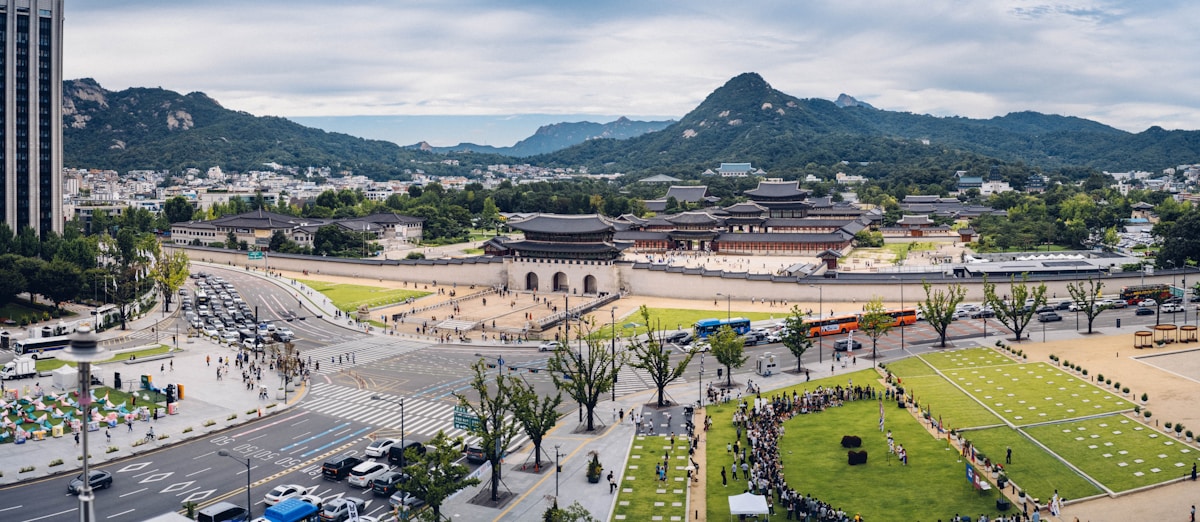
August is the height of South Korean summer - hot, humid, and focused on beach culture. The monsoon typically ends in mid-to-late July, leaving August with a mix of hot sunny days and the occasional typhoon system passing through. It is the peak of the domestic beach season and the school holiday period.
Weather
| City | Avg High | Avg Low | Rainfall | Notes |
|---|---|---|---|---|
| Seoul | 31°C | 23°C | 350mm | Tropical nights common; feels-like temperatures reach 38°C+ |
| Busan | 30°C | 24°C | 200mm | Sea breeze provides some relief; beach season at peak |
| Jeju | 31°C | 25°C | 250mm | Highest typhoon exposure; tropical rainfall possible |
| Gangneung | 29°C | 22°C | 250mm | East coast beaches busy; cooler mornings than Seoul |
Typhoon season runs July to September. Most typhoons that affect South Korea come from the Pacific and move northward. Weather services give advance warning; disruption to travel and outdoor activities is possible for 1–3 days when a typhoon passes through.
What to Do in August
Beaches - the beach season is in full swing through August. Haeundae, Gwangalli, and Songjeong in Busan; Gyeongpo and Jeongdongjin on the east coast; the beaches of Jeju’s north and south coasts - all are active with swimmers, water sports, and beach bars. They are also extremely crowded on weekends. Beach umbrella rental at Haeundae costs approximately KRW 30,000 per day as of 2026.
Han River outdoor pools - the Hangang Swimming Pools are open through August at locations including Yeouido, Ttukseom, and Jamsil. Entry is approximately KRW 5,000 for adults as of 2026 - a practical and affordable alternative to the beach for Seoul-based visitors.
Boseong Summer Festival - held at the Boseong Green Tea Plantation in South Jeolla Province, featuring tea-themed activities and local food markets. The plantation itself charges approximately KRW 4,000 entry as of 2026.
Liberation Day (15 August) - a national public holiday with formal commemorative events, most notably at the Seodaemun Prison History Hall in Seoul (entry approximately KRW 3,000 as of 2026), which was used by Japanese colonial authorities. The day has cultural significance and some restaurants and businesses close.
Chuseok timing note - in some years (not annually), the Chuseok (Harvest Moon Festival) holiday falls in late August. Chuseok causes the largest domestic transport movement of the year, comparable to Seollal. Check dates before booking.
After the Monsoon
Once the rains clear in mid-August, the skies can be spectacular - deep blue and clear, which is excellent for photography at mountain sites and coastal locations. The hills and forests retain their deep summer green while the air clears. This is a good window for day trips from Seoul to Bukhansan or the DMZ.
Where to Stay and Eat
Seoul - Ibis Styles Ambassador Seoul Myeongdong offers air-conditioned comfort from approximately KRW 100,000 per night as of 2026, well-placed for indoor shopping and the Myeongdong food streets. For summer dining, Mapo Sutbul Galbi in Mapo-gu serves grilled pork ribs from approximately KRW 15,000 per person - pair with naengmyeon (cold buckwheat noodles), the quintessential Korean summer dish.
Busan - Shilla Stay Haeundae provides beach-adjacent rooms from approximately KRW 130,000 per night as of 2026. Millak Hoecentre near Gwangalli Beach is a multi-storey raw fish market where you can buy sashimi platters from approximately KRW 25,000 for two and eat them on the rooftop overlooking the sea.
Jeju - Jeju Oriental Hotel in Jeju City starts from approximately KRW 80,000 per night as of 2026. Donsadon near Jeju Airport serves heukdwaeji (Jeju black pork) barbecue from approximately KRW 16,000 per person - a Jeju specialty worth seeking out.
Search hotels in Seoul on Booking.com
Practical Tips
- Monitor typhoon forecasts during August travel; standard weather apps and the Korea Meteorological Administration website show typhoon tracking
- Book popular accommodation well in advance - school holiday period pushes domestic demand very high
- Air conditioning is extreme in most indoor spaces; carrying a light layer is useful
- Stay hydrated - the combination of heat and humidity is significant, particularly in Seoul
Book tours and activities for your trip through GetYourGuide.
Compare travel insurance with EKTA before you travel.
What to Pack
- Lightweight, quick-dry clothing (cotton absorbs sweat poorly in this humidity)
- Swimwear and beach towel
- Sandals for beach use and walking shoes for sightseeing
- Strong sunscreen (SPF 50+ recommended)
- Insect repellent for evening outdoor activities
- Light rain jacket for occasional heavy showers and typhoon-adjacent weather
- A light cardigan for over-air-conditioned interiors - the temperature difference between outdoors and indoors can exceed 15°C
August beach season centres on Busan’s Haeundae Beach and the east coast near Gangneung and Sokcho. Jeju Island has the longest beach season in Korea. Other monthly guides: July | September | Best time to visit
Plan Your Trip
✈️ Book your flights to South Korea 🛡️ Get travel insurance 📱 Stay connected with an eSIM 🚗 Rent a car