Sokcho Travel Guide
Cable-car to Seoraksan's granite peaks, fresh abai sundae at the port market, and autumn foliage - base yourself in Sokcho for Korea's best mountains.
Guides for Sokcho
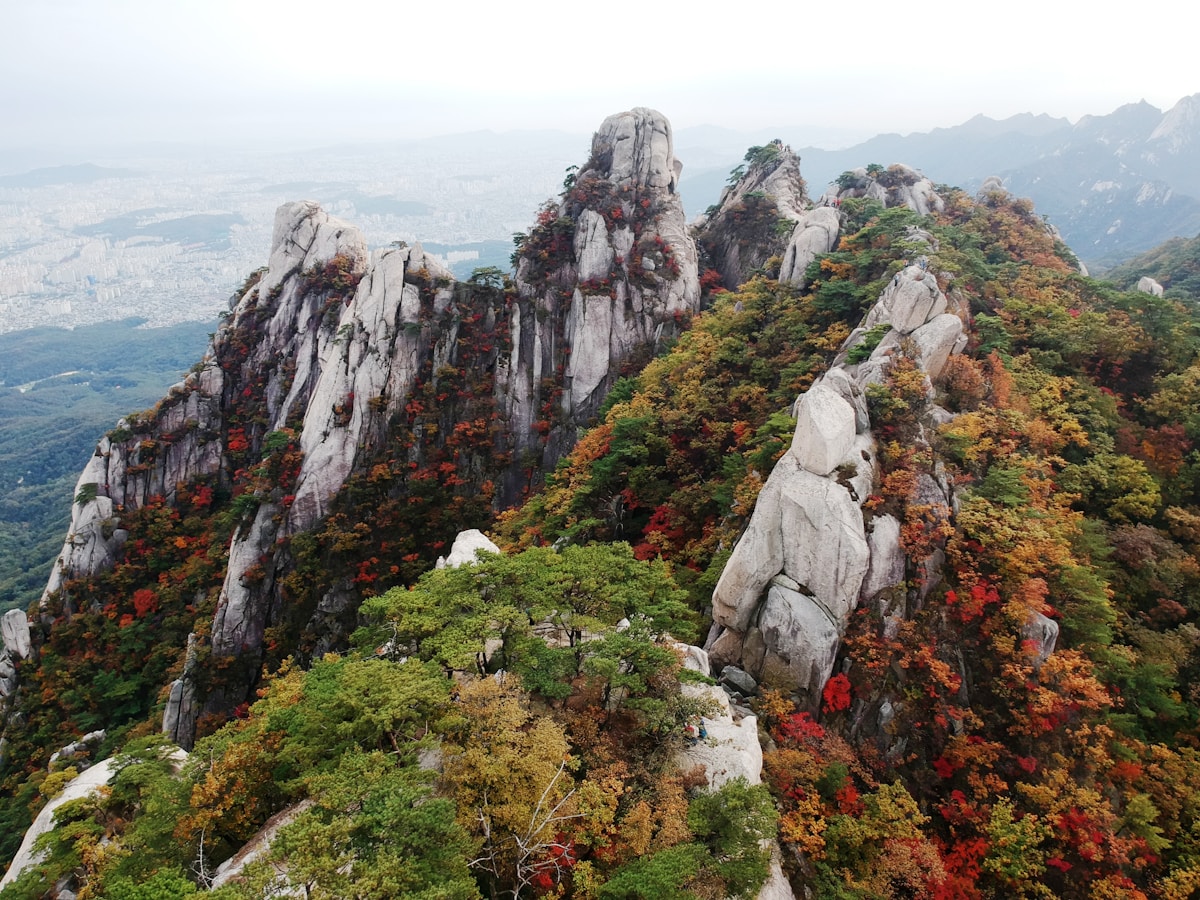
Sokcho is a small coastal city of around 80,000 people at the northern end of South Korea’s east coast in Gangwon Province, close to the border with North Korea. Its primary draw is serving as the gateway to Seoraksan National Park - a UNESCO Biosphere Reserve and one of the most visited national parks in South Korea. The park’s granite peaks, valley forests, and Buddhist temples make it the strongest reason to visit this part of the country.
The town itself is modest in scale but has a working fishing harbour, a lagoon coastline, and a relaxed atmosphere. It functions well as a base for two to three days of park exploration.
Getting to Sokcho
From Seoul: Express buses from Seoul’s Express Bus Terminal (Gangnam) to Sokcho Bus Terminal take around 2.5 hours. Services run frequently, especially on weekends. This is the standard route.
Via Gangneung: If arriving by KTX to Gangneung, express buses connect Gangneung to Sokcho in about 1.5 hours. This allows a combined east coast trip.
Getting around: City buses connect the bus terminal to Seoraksan National Park entrance (about 20 minutes). Taxis are inexpensive and practical for getting between areas. The lagoon and harbour areas are walkable from central accommodation.
Seoraksan National Park
The park covers 398 square kilometres of the Taebaek mountain range, with the highest peak, Daecheongbong, reaching 1,708 metres. The Outer Seorak (Oeseorak) section near Sokcho is more accessible and more visited; Inner Seorak (Naeseorak) is wilder and requires more commitment.
Biryong Falls trail - a flat 3 km walk through a forest valley to a waterfall, suitable for all fitness levels. The trailhead is inside the park entrance. One of the most visited short routes.
Ulsanbawi Rock - a distinctive cluster of six granite columns near the park entrance visible from the cable car. The hiking trail to the base takes 2–3 hours return and involves a steep section with metal stairs. The views from the top are among the most photographed in the park.
Cable car (Seorak Cable Car) - runs from the park entrance area to a ridge at around 700 metres, with views of the surrounding peaks. Queues can be long in peak season; arriving early is advisable.
Sinheungsa Temple - an ancient Buddhist temple within the park grounds, reachable by a 30-minute walk from the entrance. The approach passes a large bronze Buddha statue. The current temple buildings are 17th century reconstructions; the site dates to the 7th century.
Daecheongbong summit - the main peak, accessible via several multi-hour hiking routes. Most day hikers tackle this via the Osaek route on the Inner Seorak side; the approach from Sokcho requires an overnight stay at the mountain shelter (reservation required).
Where to Stay in Sokcho
For accommodation options across all budgets, see our Sokcho hotels guide.
Food and Drink
Sokcho’s harbour area has seafood restaurants serving local catches from the East Sea. The city’s signature dish is an order of fresh ojingeo (squid) - grilled, raw, or in various preparations. Dakgangjeong (crispy sweet fried chicken) is a local street food sold near the bus terminal area that has spread to wider Korean food culture.
Abai Village, a small community on the lagoon connected by a hand-pulled ferry, has restaurants serving dishes associated with North Korean refugee communities who settled here after the Korean War. Sundae (blood sausage) and ojingeo-sundae (squid stuffed with rice and vegetables) are specialities here.
For guided hiking and outdoor experiences in Seoraksan, booking ahead is recommended for peak season.
Explore Sokcho in Detail
- Things to do in Sokcho - Seoraksan National Park, Abai Village, Cheongchoho Lake, and snow crab season
- Best hotels in Sokcho - upscale mountain resorts, beachside pensions, and hiker guesthouses with prices
- Sokcho food guide - squid sundae, snow crab, grilled eel at Abai Village, and East Sea seafood
Deciding between Sokcho and Gangneung for your east coast visit? Our Sokcho vs Gangneung comparison covers Seoraksan access, coffee culture, beach options, and transport from Seoul.
Upcoming Events in Sokcho
Jinju Lantern Festival 2026
Jinju Lantern Festival 2026 runs 3 to 12 October on the Nam River. Paper lanterns mark the 1592 Battle of Jinju: tickets, schedule, and how to get there.
Frequently Asked Questions
- How far is Sokcho from Seoul?
- Express buses from Seoul's Express Bus Terminal take approximately 2.5 hours to Sokcho. There is no direct KTX service; travellers on high-speed rail go to Gangneung and transfer by bus (around 1.5 hours). The bus from Seoul is usually the most convenient direct option.
- When is the best time to visit Seoraksan National Park?
- Autumn (mid-October to early November) is the most popular time, when the foliage turns red and orange across the mountain slopes. Spring (April–May) brings azalea blooms. Summer is warm but misty. The park is open year-round; winter trails require caution on icy sections.
- Do I need to hike to enjoy Seoraksan?
- No - a cable car runs from the park entrance area to a ridge near Gwongeumseong Fortress, giving views without a strenuous climb. The flat Biryong Falls trail is also accessible without significant hiking ability. That said, the more challenging routes to peaks like Ulsanbawi Rock and Daecheongbong are the park's real rewards.
Book an experience
Top experiences in Sokcho
Explore the best tours and activities in Sokcho, with instant confirmation and free cancellation on most bookings.