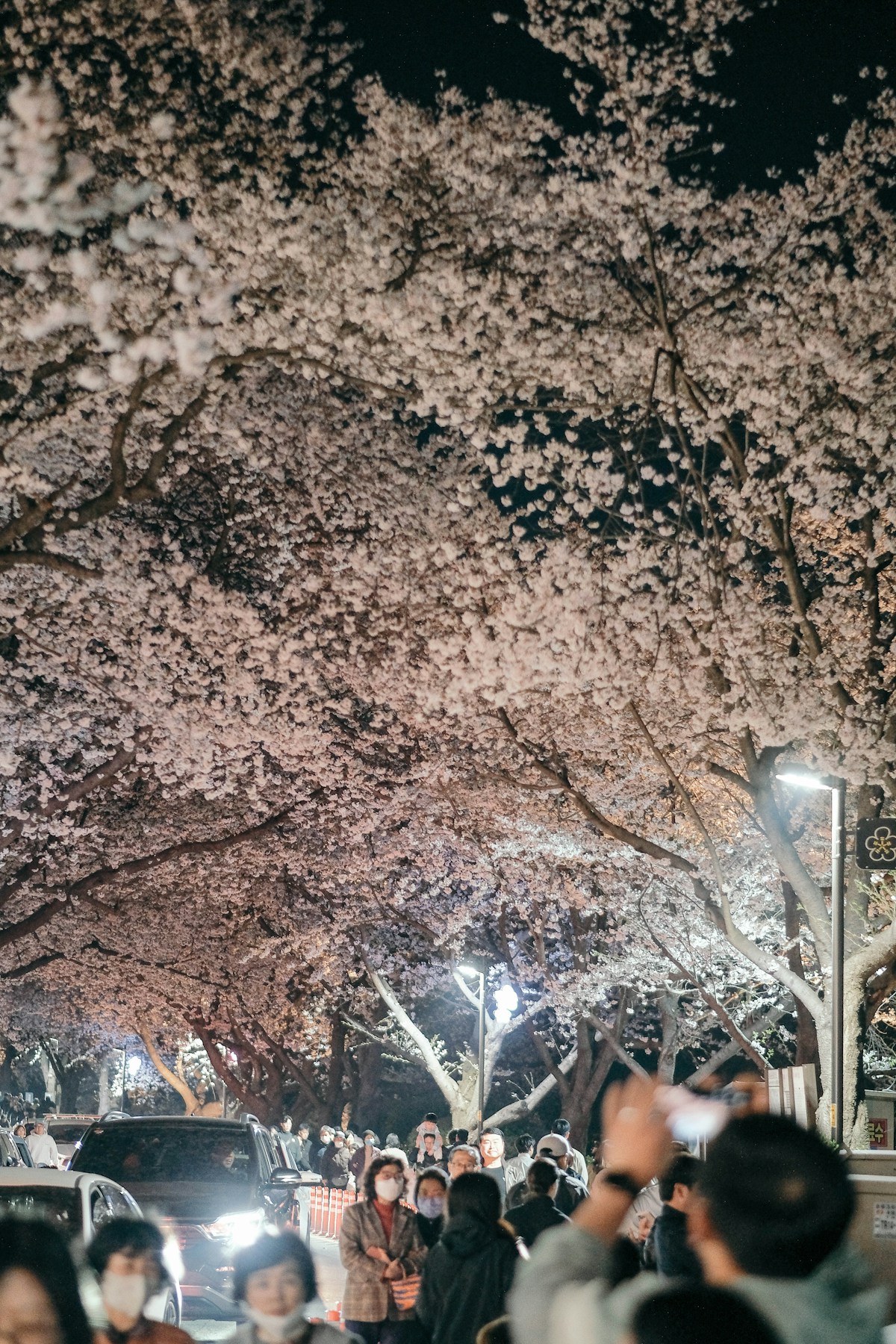
March is the first month of meteorological spring in South Korea, though the transition is gradual. The first two weeks can still feel firmly winter, while the second half of the month brings noticeably longer days and rising temperatures. By late March, Jeju Island and the southern coast see the first cherry blossoms of the season - the arrival of which triggers a significant uplift in domestic tourism.
Weather
Seoul in March averages 2–12°C, with cold snaps still possible early in the month. Wind can make early March feel colder than the thermometer suggests. Busan and the south coast are consistently warmer, often 10–15°C by late March. Jeju Island is the mildest, sometimes reaching 16–18°C on warm days.
Rain is limited but not absent - March can bring short showers. The air tends to carry Yellow Dust (hwangsa) from the Chinese and Mongolian deserts from March onward, which can affect air quality on certain days. Checking air quality apps is worth doing before outdoor activities. On heavy Yellow Dust days, fine particulate levels can exceed safe thresholds, and locals wear KF94 masks and limit outdoor time.
Cherry Blossom Timing
Jeju: typically mid to late March - the earliest in the country Busan and Gyeongnam coast: late March to early April Seoul and Gyeonggi: late March to early April (Yeouido most famous) Gyeongju: late March to early April Gangwon Province: early to mid-April
These timings vary by up to two weeks in either direction depending on weather. The Korea Meteorological Administration publishes blossom forecast maps each year, typically in early March. The forecasts are worth checking if timing your trip around blossoms.
What to Do in March
Early blossom viewing - Jeju’s Jeongbang area and Seongsan Sunrise Peak have early blossoms. The scenic road between Seogwipo and Pyoseon is lined with cherry trees that bloom before Seoul’s parks. The Jeju Cherry Blossom Festival, if it falls in late March, draws significant crowds to the Jeonnong-ro area in Jeju City, where a 1.2 km avenue of cherry trees creates one of the most concentrated blossom displays in the country.
Hiking as conditions improve - Seoraksan and Hallasan trails are accessible in March, though upper sections may still have snow and ice requiring crampons. Busan’s Geumjeongsan and Daegu’s surrounding mountains are good March hiking territory - low-elevation trails are clear and the crisp air makes for comfortable walking.
Seoul cultural season - spring marks the start of the cultural events calendar. The Seoul International Book Fair and various gallery openings are in early spring. The Dongdaemun Design Plaza (DDP) often hosts design exhibitions with spring openings.
Gyeongju historic sites - March is excellent for visiting Gyeongju’s open-air heritage before the spring crowds arrive in April. The tumuli parks, Bulguksa Temple, and Seokguram Grotto are pleasant in early spring light and far less crowded than they will be a month later.
Plum blossom viewing - before the cherry blossoms arrive, plum blossoms bloom across the south. Gwangyang in South Jeolla Province holds the Maehwa (plum blossom) Festival in early to mid-March, with tens of thousands of plum trees creating a white and pink canopy across the Seomjin River valley. This is one of the most under-visited spring flower events by international travellers.
Crowds and Prices
March starts quietly but picks up sharply toward month’s end as blossom season approaches. Accommodation near popular blossom viewing spots (Yeouido in Seoul, Gyeongju’s central parks) should be booked ahead for late March dates. Flights to Korea in March are often significantly cheaper than in April, making the second half of March a good value window for spring travel.
Book tours and activities for your trip through GetYourGuide.
Compare travel insurance with EKTA before you travel.
Search hotels in Seoul on Booking.com
What to Pack
Early March: heavy to mid-weight jacket, layers, waterproof shoes Late March: mid-weight jacket, light layers, comfortable walking shoes Yellow Dust: a KF94 mask is useful on days when air quality is poor (apps like AirVisual will show the level) Sunscreen for sunny days - UV levels increase noticeably in March compared to winter
The cherry blossom guide to South Korea covers timing by city - southern cities like Busan and Gwangju typically see first blossoms in late March, with Seoul following 3–5 days later. Other monthly guides: February | April | Best time to visit
Plan Your Trip
✈️ Book your flights to South Korea 🛡️ Get travel insurance 📱 Stay connected with an eSIM 🚗 Rent a car