For a full year overview, see our best time to visit South Korea guide.
January is one of the coldest months of the year in South Korea. The country sits at a latitude comparable to central Spain or Turkey, but strong cold air masses from Siberia push temperatures well below zero in central and northern regions during winter. Despite the cold, January has its advantages: skies are frequently clear and blue, visitor numbers at major outdoor sites are low, and the ski resorts are in full operation.
Weather
Seoul and central Korea experience temperatures ranging from around -6°C at night to 2°C during the day. Wind chill can make it feel colder, with the real-feel temperature sometimes dropping to -15°C or below on exposed streets. Snowfall is moderate - Seoul typically gets snow several times through the winter but is not buried by it. The streets are kept clear by efficient city services.
Busan and the south coast are significantly milder - daytime highs around 8°C and rarely freezing overnight. The coastal breeze keeps Busan drier than Seoul in winter, and sunny days are common. Jeju Island is the warmest part of the country in winter, with temperatures around 8–14°C, though it can be windy and occasionally wet.
Gangwon Province (the ski region northeast of Seoul) receives heavier snowfall and has reliably cold temperatures, with overnight lows regularly reaching -15°C at resort altitude. The ski resorts at Alpensia, Vivaldi Park, and High1 are all in full operation through January.
What to Pack
Heavy winter clothing is essential for Seoul and central Korea:
- Thermal base layers (merino or synthetic)
- Heavy coat (down jacket recommended - Korean outdoor brands like Kolon Sport and Black Yak are excellent)
- Warm hat, gloves, and scarf
- Waterproof boots with good grip for icy pavements
- Heat packs (hotpack) - sold at every convenience store for around KRW 1,000
- For Busan and Jeju, a mid-weight jacket is sufficient most days
Things to Do in January
Skiing and snowboarding - South Korea has around 18 ski resorts, with the main clusters in Gangwon Province. Alpensia (2 hours from Seoul by KTX) and Vivaldi Park are the most international-friendly. High1 Resort in the Taebaek area is larger and less crowded. Yongpyong Resort, which hosted events during the 2018 PyeongChang Winter Olympics, has the longest runs and the most varied terrain. Lift pass and rental equipment are widely available; English-language instruction is offered at major resorts. Night skiing is popular and runs until 22:00 or later at most facilities.
Hot spring bathing (jjimjilbang) - public bathhouses (jjimjilbang) are central to Korean winter culture. Entry typically costs KRW 8,000–15,000 for access to gender-separated baths and communal heated floor rooms. Facilities like Dragon Hill Spa in Seoul or the natural hot spring hotels in Yuseong (Daejeon) and Bugok are popular in winter. Spending an evening warming up in a jjimjilbang after a cold day of sightseeing is one of the defining Korean winter experiences.
Ice fishing festivals - the Hwacheon Sancheong Ice Festival is the most famous, held on a frozen mountain stream and attracting hundreds of thousands of domestic visitors over two to three weekends in January. The festival involves ice fishing for sancheoneo (mountain trout), sledding on ice, and outdoor food stalls. The Inje Icefish Festival is a smaller alternative in the same province.
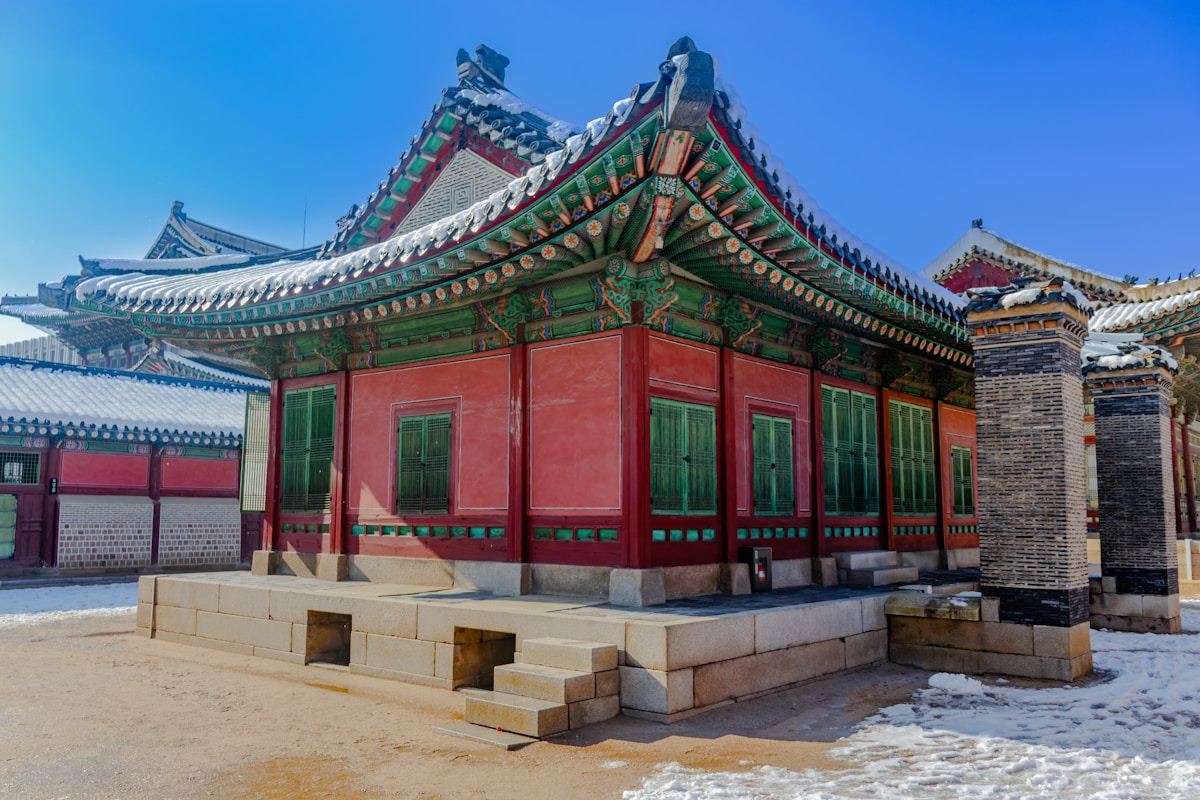
Indoor cultural attractions - museums, palaces, and galleries see far lower crowds in January than during peak spring and autumn seasons. Gyeongbokgung Palace in the snow has a particular atmosphere that photographs well. The National Museum of Korea, the War Memorial, and the DDP (Dongdaemun Design Plaza) are all comfortable indoor options for cold days.
Winter food - January is peak season for warming Korean dishes. Tteokguk (rice cake soup) is traditionally eaten for the new year. Rich bone broth soups like seolleongtang and gamjatang are at their best in cold weather. Street vendors sell hotteok (filled sweet pancakes) and bungeoppang (fish-shaped pastries) - both are classic Korean winter street foods.
Seollal Consideration
Seollal (the Lunar New Year) falls in late January or early February depending on the year. During the 3-day public holiday, domestic travel peaks - trains and buses fill up fast, and many small restaurants and businesses close for 2–3 days. Highway traffic from Seoul toward the provinces can be extreme, with journey times doubling or tripling. Checking exact Seollal dates for the year you are travelling is advisable if your trip overlaps this period. Major tourist attractions like the palaces and folk villages often host special Seollal cultural programmes including traditional games, hanbok (traditional clothing) experiences, and ancestral rite demonstrations.
Book tours and activities for your trip through GetYourGuide.
Compare travel insurance with EKTA before you travel.
Crowds and Prices
January (excluding Seollal) is a low-season month for international visitors. Hotel prices are generally 20–40% lower than in spring and autumn peak periods. Flights may also be less expensive, though this depends on route and origin. Ski resort accommodation in Gangwon Province is the exception - demand is steady through the winter season, and weekend bookings should be made in advance.
For ski resort options, dates, lift passes, and transport from Seoul, see our South Korea ski resorts guide. The jjimjilbang guide covers the public bathhouses that are at their most popular in winter - a core Korean cold-weather activity. Other monthly guides: February | Best time to visit
Search hotels in Seoul on Booking.com
Plan Your Trip
✈️ Book your flights to South Korea 🛡️ Get travel insurance 📱 Stay connected with an eSIM 🚗 Rent a car