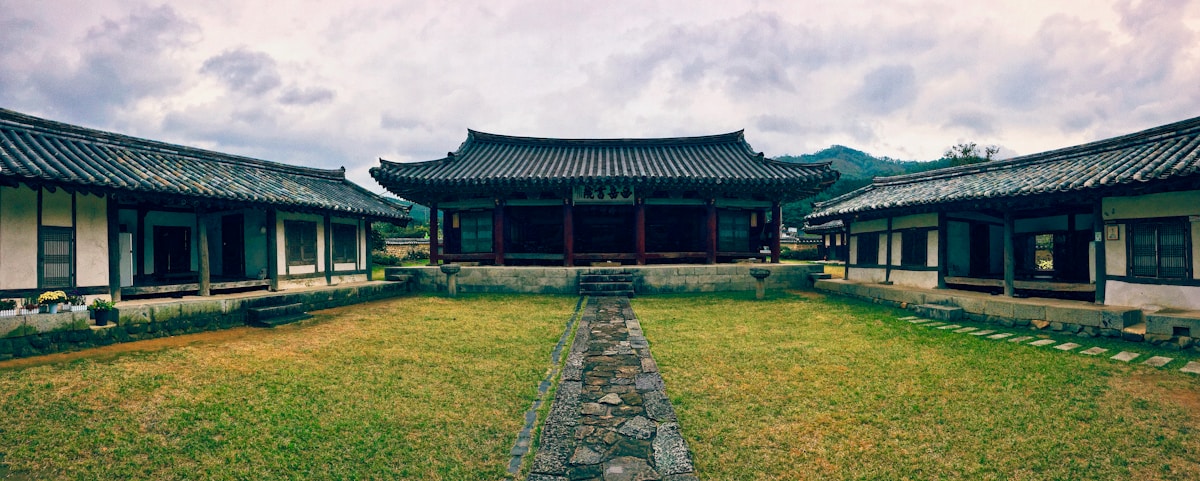
Gyeongju Travel Guide
Walk among royal Silla burial mounds, cycle past Donggung Palace ruins, and explore UNESCO Bulguksa Temple - Gyeongju guide from Seoul in 2 hours.
Guides for Gyeongju
Gyeongju served as the capital of the Silla Kingdom from 57 BCE to 935 CE - nearly a thousand years. At its height, it was one of the largest cities in Asia. Today the city is sometimes called the “museum without walls” because historical artefacts and burial mounds appear not just in formal heritage sites but across parks, paddies, and the streets of residential neighbourhoods.
The wider Gyeongju Historic Areas hold UNESCO World Heritage status. The city has a different pace to Seoul or Busan - quieter, more spread out, and oriented around cycling and walking between sites rather than urban density.
Getting to Gyeongju
From Seoul: KTX trains run to Singyeongju Station in around 2 hours. From the station, buses and taxis connect to central Gyeongju in 15–25 minutes. The Gyeongju train station (older line) is closer to the city centre but is served only by slower trains - the journey from Seoul takes 3.5–4 hours.
From Busan: Local trains from Busan Station reach Gyeongju Station in about 1 hour. Intercity buses from Busan’s Nopo Bus Terminal take a similar time. Both options run frequently.
Getting around: Gyeongju’s sites are spread across the city. Bicycle hire is available near the Tumuli Park area and is a practical way to cover the central cluster. Taxis and local buses serve the outlying temples.
What to See
Daereungwon Tumuli Park - a walled park in the city centre containing 23 of Gyeongju’s distinctive circular burial mounds (tumuli), the largest of which stand up to 22 metres high. Cheonmachong tomb inside the park is open for entry. The mounds date primarily from the 4th and 5th centuries CE and were built for Silla royalty and aristocracy.
Cheomseongdae Observatory - a bottle-shaped stone tower from the 7th century, believed to be the oldest surviving astronomical observatory in East Asia. It stands in open parkland a short walk from Tumuli Park.
Bulguksa Temple - a Buddhist temple complex on the slopes of Mount Toham, built in 751 CE and substantially reconstructed after Japanese invasions in the 1590s. Two stone pagodas in the main courtyard - Dabotap and Seokgatap - are considered masterworks of Unified Silla architecture and appear on the 10-won coin. UNESCO listed. About 15 km from central Gyeongju; accessible by bus.
Seokguram Grotto - a granite cave temple above Bulguksa containing a central seated Buddha figure, completed around 774 CE. The grotto is enclosed in a modern protective structure, which limits views somewhat, but the quality of the stonework is exceptional. UNESCO listed; accessible by bus from Bulguksa or by a hiking path.
Anapji Pond (Donggung Palace and Wolji Pond) - a reconstructed Silla royal pleasure garden with a lakeside pavilion. The site is particularly atmospheric after dark when lit up. Open until late evening; entry is inexpensive.
Gyeongju National Museum - holds the largest collection of Silla artefacts in South Korea, including gold crowns, jewellery, pottery, and the enormous Emille Bell (Divine Bell of King Seongdeok), cast in 771 CE. Free entry.
Where to Stay in Gyeongju
For accommodation options across all budgets, see our Gyeongju hotels guide.
Food and Drink
Gyeongju is associated with ssambap (a multi-dish set meal served with various vegetables and condiments for wrapping in leaves) and with hwangnam-ppang, a small wheat cake filled with red bean paste that has been made in the city since 1939. The cakes are sold from several bakeries near Tumuli Park and are considered a Gyeongju souvenir staple.
The central market area has straightforward Korean lunch restaurants. For a wider range of options, the streets around Daereungwon and the Bomun Lake zone have more varied dining.
Explore tours and cultural experiences in Gyeongju to make the most of the heritage sites.
Plan Your Gyeongju Trip
- Things to do in Gyeongju - Bulguksa, Tumuli Park, Anapji Pond, and more with entry fees
- Best hotels in Gyeongju - Hilton Gyeongju to hanok guesthouses near the sites
- Gyeongju food guide - hwangnam bread, ssambap, makgeolli, and market street food
Choosing between Gyeongju and Jeonju for your heritage city fix? Our Gyeongju vs Jeonju comparison weighs ancient tombs and temples against living hanok architecture and Korea’s food capital reputation.
Upcoming Events in Gyeongju
Jinju Lantern Festival 2026
Jinju Lantern Festival 2026 runs 3 to 12 October on the Nam River. Paper lanterns mark the 1592 Battle of Jinju: tickets, schedule, and how to get there.
Frequently Asked Questions
- Is Gyeongju worth visiting?
- Yes - Gyeongju holds more UNESCO World Heritage Sites than any other Korean city and is one of the few places in the country where the landscape itself has been shaped by millennia of continuous settlement. It rewards a slower pace more than most Korean destinations.
- How do I get to Gyeongju from Seoul?
- The fastest route is KTX to Singyeongju Station (approximately 2 hours), followed by a bus or taxi into the city centre (around 20 minutes). Alternatively, travel to Busan and take a local train or bus to Gyeongju - each leg is about an hour.
- Can I see Gyeongju as a day trip?
- Technically yes from Busan, though a night or two allows you to cover both the city sites and Bulguksa Temple properly without rushing. Gyeongju is also quiet after the day-trip crowds leave, which changes the atmosphere significantly.
Book an experience
Top experiences in Gyeongju
Explore the best tours and activities in Gyeongju, with instant confirmation and free cancellation on most bookings.