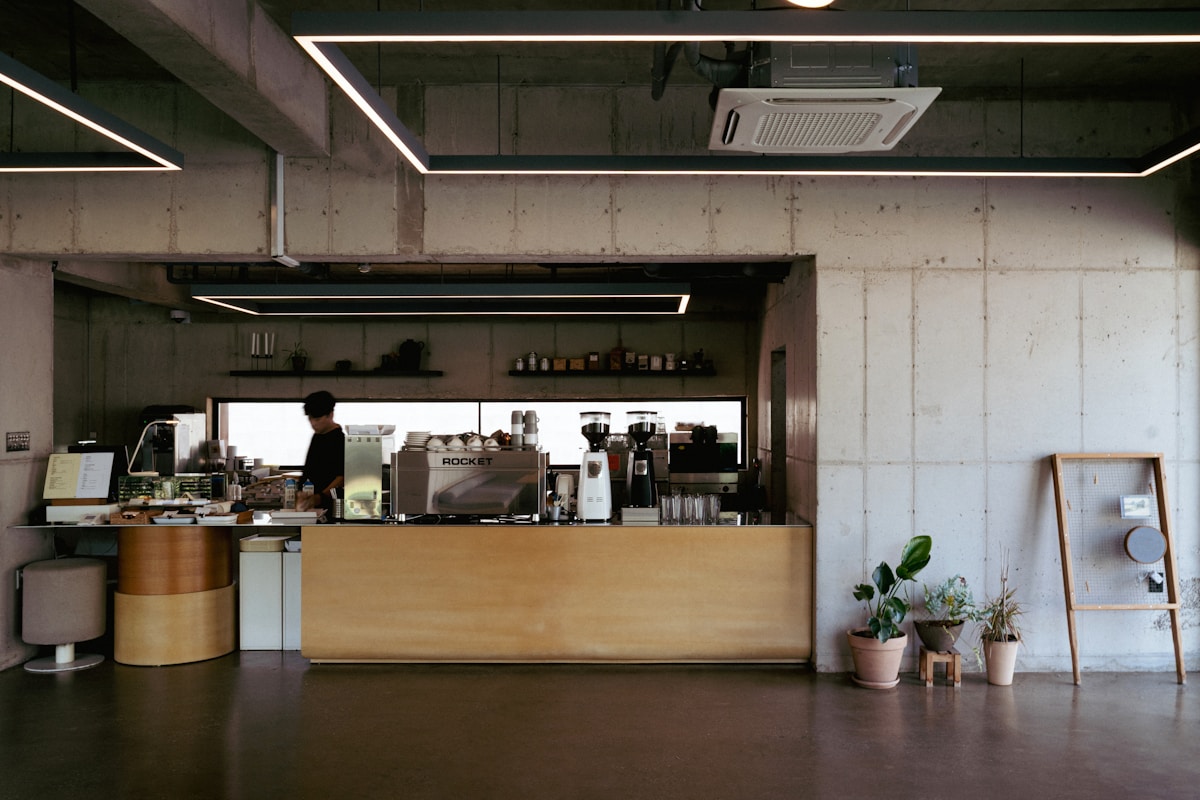
Seoul has more cafes per capita than almost any other city in the world, and the statistic, while often repeated, still understates what actually exists here. Korean coffee culture developed at pace through the 2010s alongside a design-conscious consumer market and an intense social media culture, producing a cafe landscape where aesthetics, concept, and experience compete as seriously as the quality of the espresso itself.
This guide covers specialty coffee roasters, themed cafes, pricing, and etiquette across Seoul’s best neighbourhoods. For a neighbourhood-by-neighbourhood walkthrough focused on Seongsu-dong, Ikseon-dong, and themed concepts, see our Seoul cafe neighbourhoods guide.
Why Seoul’s Cafe Scene Is Different
Korea’s per-capita coffee consumption has grown steadily for two decades - South Korea now ranks among the top coffee-consuming countries in Asia despite having no domestic coffee production. What distinguishes Seoul from other major Asian cafe cities is the intensity of competition and concept development.
Every neighbourhood in Seoul has a distinct cafe identity, and new concepts open and close fast enough that lists go stale within months. What persists is the structural reason for this: Seoul’s cafe market rewards novelty and visual identity above almost everything else. A concept that photographs well and generates social sharing can outperform technically superior coffee if it lacks an aesthetic hook.
This is not a criticism - it produces an environment where creativity in design, ingredient sourcing, and concept development is extraordinary, and where genuinely excellent coffee also exists alongside it.
Best Neighbourhoods for Cafes
Seongsu-dong (성수동)
Seongsu-dong, accessible from Seongsu Station on Line 2, is the neighbourhood most analogous to Brooklyn in Seoul’s development narrative - a former industrial and tannery district that became an art and coffee destination through independent creative tenants and has since been heavily gentrified. The industrial architecture (exposed concrete, high ceilings, raw brick) suits the serious coffee aesthetic, and the density of specialty roasters here is the highest in Seoul.
What’s here: Single-origin pour-over focused cafes, small-batch roasters, collaboration spaces with local designers and artists, some of Seoul’s best third-wave coffee.
Recommended:
- Onion Seongsu: A large, dramatically designed cafe in a converted industrial space. Known for its architecture and croissants. Coffee is competent rather than exceptional, but the space is worth seeing. No reservation required.
- Fritz Coffee Company Seongsu: Fritz is one of Seoul’s most respected specialty roasters, with consistent single-origin filter offerings. Less focused on design than some neighbours, more focused on what’s in the cup.
- Anthracite Coffee Roasters: Multi-floor space in a converted shoe factory. Well-executed espresso, excellent tasting notes, and a better-than-average food menu for cafe context.
Getting there: Seongsu Station, Seoul Metro Line 2. The core cafe area is within a 10-minute walk of the station in the direction of the Han River.
Ikseon-dong (익선동)
Ikseon-dong is a small alley neighbourhood in Jongno-gu where early 20th-century hanok houses - traditional Korean courtyard homes - have been preserved and converted into cafes, small restaurants, and craft shops. The alleys are narrow and the spaces are small; some cafes have fewer than eight seats.
What’s here: Character and atmosphere above all else. Coffee quality varies; the draw is drinking coffee inside a 100-year-old Korean hanok with traditional roof tiles and courtyard gardens. This is one of the few places in Seoul where the built environment is genuinely historic rather than designed to feel historic.
Practical notes: Ikseon-dong becomes congested on weekend afternoons. Visiting on a weekday morning gives a very different experience - quieter alleys, easier to find seats in the smaller cafes.
Getting there: Jongno 3-ga Station, Seoul Metro Lines 1, 3, 5. The hanok alley area begins immediately north of the station.
Mangwon-dong (망원동)
Mangwon sits between Hongdae and Hapjeong on the north bank of the Han River, and has developed a cafe culture that feels more neighbourhood-local than the tourist-facing options in Hongdae. Many Mangwon cafes cater primarily to locals - young creative workers, families on weekend walks to Mangwon Hangang Park, and the Korean independent cafe-goer demographic.
What’s here: A mix of independent specialty cafes, plant-based and health-conscious cafe-bakeries, and casual neighbourhood coffee spots with lower prices and longer stays than the high-traffic tourist areas.
Getting there: Mangwon Station, Seoul Metro Line 6. Most cafes are within a 5-10 minute walk of the station toward the river.
Hongdae (홍대)
Hongdae, the university district anchored by Hongik University, has the highest concentration of themed and concept cafes in Seoul - the market is driven by younger domestic visitors and international tourists who prioritise the experience over the coffee itself.
What’s here: Animal cafes (dog, cat, raccoon, and others), K-pop themed cafes that change with whichever group is trending, art-installation spaces, and highly photographed dessert cafes. It is also significantly more crowded and commercial than Seongsu or Mangwon.
Recommended approach: Hongdae works best for themed cafe experiences. For specialty coffee, continue to Seongsu or Mangwon instead.
Themed Cafes Worth Visiting
Cat Cafes
Seoul’s cat cafes have been operating since the late 2000s and the format has matured significantly - most reputable operators now prioritise animal welfare with space requirements and interaction guidelines. The cats in better-run cafes are well socialised and not distressed by visitor contact.
Cost: Typically KRW 10,000–15,000 per person including one drink as of 2026. Additional drinks at standard cafe prices.
What to expect: A time-limited visit (usually 60–90 minutes), interaction rules posted visibly (no picking up cats, no flash photography), and the cats doing largely as they please.
Dessert-Focused Cafes
Seoul’s dessert cafe culture has evolved around a few signature items:
Bingsu (빙수): Traditional Korean shaved ice dessert, now available in highly elaborate forms at dedicated bingsu cafes. Premium bingsu with fresh fruit, red bean paste, and condensed milk costs approximately KRW 12,000–22,000 as of 2026. Best seasonal option is fresh strawberry bingsu in spring (April–May) and melon bingsu in summer.
Dalgona: The honeycomb candy that gained international recognition through a streaming series, now available in multiple forms at cafes across Seoul. The traditional dalgona-making experience (pressing the mould into hot sugar) is offered at street stalls in Insadong and Gwangjang Market for approximately KRW 2,000–5,000.
Soft serve (소프트아이스크림): Korean soft serve culture is highly developed, with regional flavours - black sesame, green tea, barley, traditional rice liquor (makgeolli), and sweet red bean - available at specialty soft serve shops and as add-ons at many cafes.
Art and Installation Cafes
Cafes built around temporary or permanent art installations are concentrated in Seongsu-dong and the Dongdaemun Design Plaza (DDP) area. These spaces blur the line between gallery and cafe - admission to the installation is typically included in a minimum drink spend, and the coffee quality varies.
Blank Seongsu and Studio Concrete (Seongsu-dong area) have both hosted notable installation-cafe combinations. Search current events in Seoul for what’s running during your visit, as the specific operators change frequently.
Specialty Coffee Scene
For visitors whose primary interest is the coffee itself:
Notable roasters and cafes:
- Fritz Coffee Company (Seongsu, Haebangchon): Consistent specialty roasting with direct trade sourcing. One of the most respected names in Seoul coffee.
- Namusairo (Insadong and multiple locations): Strong single-origin filter coffee with knowledgeable baristas and well-sourced beans.
- Manufact Coffee (Seongsu-dong and Yongsan): Third-wave focused, precision-driven espresso. Pour-over focus with regular bean rotation.
- Mesh Coffee (Hapjeong): Smaller operation, serious about extraction quality.
Price range: Filter coffee (hand-drip or pour-over) at specialty cafes runs approximately KRW 7,000–12,000 per cup as of 2026. Espresso-based drinks KRW 5,500–9,000.
Cafe Etiquette in Seoul
Order at the counter: Korean independent cafes almost universally require counter ordering on arrival. Waiting to be seated and handed a menu is not standard - walk to the counter, order, pay, and find a seat.
No time pressure (usually): Koreans have a cultural comfort with long cafe stays - studying, working, and socialising for several hours over one or two drinks is normal. During peak hours on weekends, some cafes now post time limits (typically 1–2 hours) or minimum spend requirements. These are posted at the entrance or counter if applicable.
No laptop zones: Some smaller specialty cafes with limited seating have introduced no-laptop policies, particularly during weekend peak hours. Signs are usually posted in Korean and English. Respect these - the no-laptop policy in smaller cafes is about protecting seating for paying customers who won’t occupy tables for three hours.
Tipping: Not expected or practiced in Korean cafes.
Bin your own cups: Self-service disposal of cups and trays at the bin station near the exit is the norm in most Seoul cafes, similar to the counter-service model.
Prices at a Glance (as of 2026)
| Item | Approximate Cost |
|---|---|
| Americano (specialty cafe) | KRW 5,500–8,000 |
| Latte (specialty cafe) | KRW 6,000–10,000 |
| Bingsu (premium) | KRW 14,000–22,000 |
| Animal cafe entry (incl. drink) | KRW 10,000–15,000 |
| Cat/dog cafe entry | KRW 10,000–14,000 |
| Traditional tea (Ikseon-dong) | KRW 8,000–16,000 |
| Soft serve (specialty flavour) | KRW 4,000–8,000 |
Best Time to Visit Seoul Cafes
Weekday mornings (09:00–11:00): Best for Ikseon-dong and smaller cafes in Seongsu. Lower occupancy, easier seating, less queuing at popular spots.
Saturday afternoons: Avoid Ikseon-dong and Hongdae entirely unless queuing is acceptable. Seongsu-dong manages better due to larger average floor space.
Cherry blossom season (late March–early April): Many cafes release seasonal cherry blossom drinks (lattes, bingsu toppers, and cakes). The aesthetic alignment with the season is taken seriously - cafes redecorate around the blossom window. Worth planning around if you have flexibility.
Summer (June–August): Peak season for bingsu cafes. Many Seoul bingsu shops experience queues of 30–60 minutes at flagship locations on summer weekends. Arrive early or visit on weekdays.
Book food tours and culinary experiences in Seoul through GetYourGuide.
Pick up a Korean eSIM through Airalo to navigate Seoul’s café scene with ease.
Related Seoul Guides
The Seoul food guide covers the full range of Seoul dining beyond coffee - markets, Korean BBQ, street food, and late-night eating. For a broader picture of the capital, the Seoul travel guide includes neighbourhood breakdowns that will help you navigate between café districts. The Seoul things to do guide pairs well with a café day - many of the best roasters are adjacent to palaces, markets, and design districts.