Seogwipo’s food identity is built around the sea and the land of Jeju Island - specifically the Jeju black pig, abalone and other shellfish from the southern coast, and the island’s famous tangerine orchards that cover the hillsides between the city and Hallasan. The restaurant scene in Seogwipo is smaller and more local than Jeju City, which often works in favour of quality: the tourist-trap versions of Jeju specialities are fewer here, and the restaurants that have been serving the same dishes for decades are easier to find. Here is a guide to what to eat in Seogwipo and where to find it, with prices as of 2026.
Jeju Black Pork BBQ (Heuk Dwaeji Gui)
Jeju black pig (heuk dwaeji) is the island’s most celebrated ingredient - a heritage breed with darker, more heavily marbled meat than the commercial breeds used in mainland Korean pork restaurants. The fat-to-lean ratio is higher, and when grilled over charcoal or wood, the fat renders into the meat giving it a rich, almost buttery flavour that is noticeably different from standard samgyeopsal.
In Seogwipo, the black pork BBQ scene is centred in the city centre rather than in a dedicated tourist strip. The restaurants that locals favour tend to be smaller, often without English menus, and focused on the meat itself rather than the theatrical presentation you find at some larger Jeju City operations.
How it is served: Pork belly (samgyeopsal) and neck cuts (moksal) are the most common. The meat arrives uncooked and is grilled at the table over charcoal or gas, cut into pieces with scissors, and eaten wrapped in perilla or lettuce leaves with fermented shrimp paste, garlic, and sliced raw onion.
Price: Expect approximately KRW 25,000–40,000 per person for a full black pork meal at a sit-down Seogwipo restaurant as of 2026. This is slightly cheaper than comparable meals in Jeju City’s busiest tourist areas. Menus priced by the 200g portion are common - two portions per person is typically a full meal for most adults.
Where to find it: The streets around Seogwipo’s main market and toward the Cheonjiyeon Waterfall area have several well-regarded local pork restaurants. Asking your accommodation for a recommendation (rather than following online aggregator lists) often surfaces the best neighbourhood options.
Abalone Juk (Porridge)
Abalone (jeonbok) is the most prestigious seafood in Jeju’s culinary tradition, historically harvested by Jeju’s haenyeo (female free divers) from the underwater reefs around the island. Abalone juk - rice porridge cooked slowly with finely minced abalone, sesame oil, and soy sauce - is the most accessible way to experience this ingredient.
The porridge has a smooth, dense consistency with a delicate oceanic flavour from the abalone and a nutty undertone from the sesame oil. It is not a dramatic dish - the appeal is in the quality of the abalone itself and the careful preparation. The best versions use fresh abalone rather than canned or frozen.
Price: Approximately KRW 15,000–20,000 per bowl as of 2026 at seafood restaurants near Seogwipo port and in the city centre. More elaborate abalone dishes (whole steamed abalone, raw abalone sashimi) are available at higher prices at the port-side seafood restaurants.
Where to find it: The restaurants around Seogwipo port - where the haenyeo traditionally brought their catch - serve the freshest abalone in the city. Look for restaurants with tanks of live seafood displayed at the entrance.
Haemul Ttukbaegi (Seafood Hotpot)
Haemul ttukbaegi is a communal earthenware pot hotpot filled with an assortment of fresh shellfish - typically clams, mussels, oysters, and prawns - in a spiced broth made from fermented soybean paste (doenjang) or a lighter anchovy base. The pot arrives bubbling and is served with rice and side dishes.
The Seogwipo version of this dish benefits from access to particularly fresh shellfish from the surrounding southern coast. The broth develops flavour as the shellfish cook in the pot at the table, and the combination of brininess, slight spice, and the earthy soybean paste is deeply satisfying.
Price: Approximately KRW 15,000–25,000 per person for a communal pot, depending on portion size and restaurant as of 2026. Market versions at the Olle Market are cheaper - around KRW 12,000–15,000 for a single-serve clay pot.
Where to find it: Most seafood restaurants in Seogwipo city centre serve haemul ttukbaegi. The Olle Market near the Seogwipo Sports Complex area is a good alternative for a market-style version.
Olle Market Street Food
The Olle Market (올레시장) near Seogwipo’s eastern residential area is the best concentration of local street food in the city. Unlike the tourist-oriented markets in Jeju City, Olle Market is a working local market primarily serving Seogwipo residents, which keeps prices lower and the atmosphere more authentic.
Street food items at Olle Market include:
- Tangerine soft-serve ice cream (KRW 3,000–4,000) - made with Jeju tangerine purée blended into the ice cream base; a genuine Jeju flavour rather than an artificial approximation
- Gimbap (seaweed rice rolls, various fillings - KRW 2,500–4,000)
- Hotteok (sweet filled pancakes, particularly good in the cooler months - KRW 1,500–2,500)
- Fresh fruit: Jeju tangerines in season (October–February), dried citrus products year-round
- Jeon (savoury pancakes - kimchi, seafood, or vegetable; KRW 3,000–6,000)
The market runs most days from early morning through late afternoon. It is quietest and best-stocked in the morning hours.
Tangerine Soft-Serve and Citrus Products
Jeju’s tangerine industry - primarily hallabong (a mandarin variety) and gamgyul (common tangerine) - is visible throughout Seogwipo, where the orange groves on the hillsides above the city are a defining part of the landscape. The tangerine harvest season runs from October through February, but citrus products in various forms are available year-round.
The tangerine soft-serve ice cream sold at Olle Market stalls and cafes near the waterfall sites is one of the most distinctive local food experiences in Seogwipo - the citrus flavour is genuinely sharp and fruity rather than sweet and artificial. Priced at approximately KRW 3,000–4,000 as of 2026.
Beyond the ice cream, local shops sell candied tangerine peel, tangerine chip snacks, tangerine chocolate, and tangerine makgeolli (rice wine) - all legitimate local products rather than generic Korean souvenir items.
Grilled Jeju Hairtail Fish (Galchi Gui)
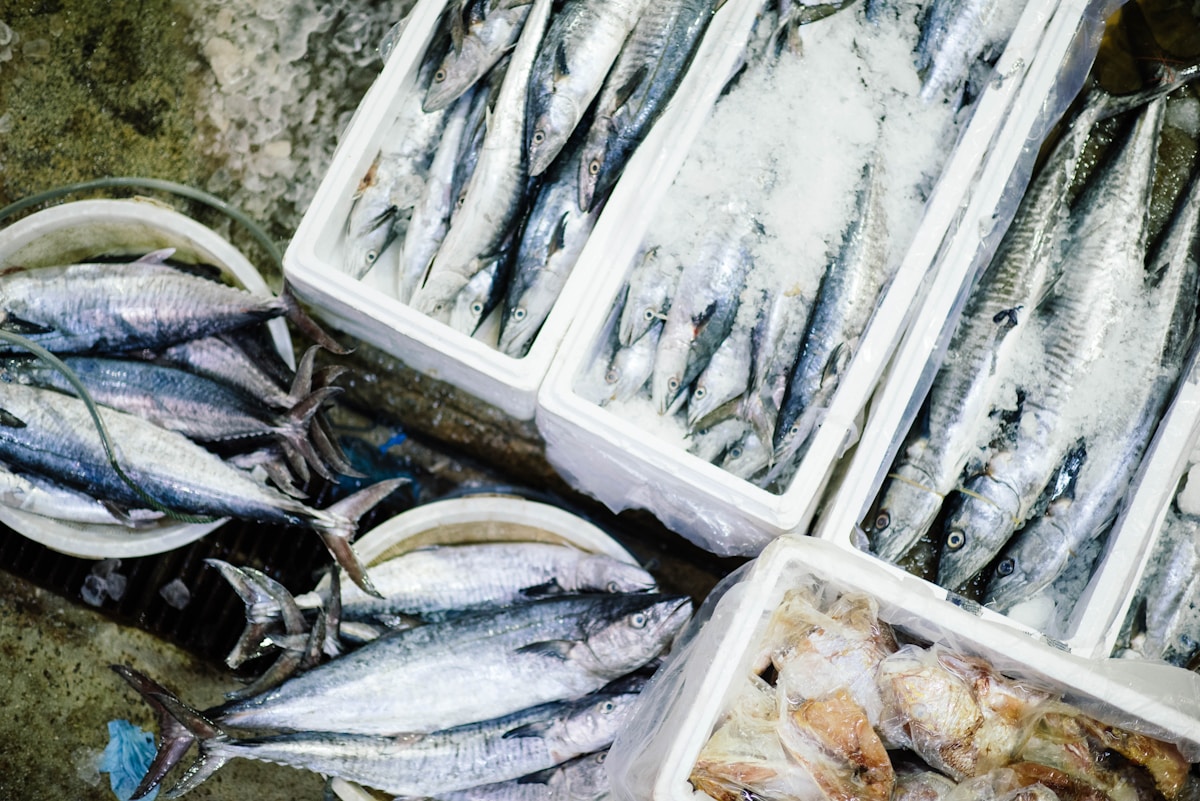
Galchi (hairtail or scabbardfish) is a long, silver-scaled fish that is caught in abundance in the waters around Jeju and is one of the island’s most traditional seafood dishes. In Seogwipo, grilled galchi (galchi gui) or braised galchi in a spiced sauce (galchi jorim) appear on the menus of most Korean seafood restaurants.
The fish has a firm white flesh with a mildly fishy flavour and a silver skin that crisps when grilled. Galchi jorim - braised in a soy sauce, gochugaru (red pepper flake), and vegetable stock - is particularly popular and develops a sticky, intensely savoury coating on the fish.
Price: Approximately KRW 12,000–18,000 for a single portion (one fish) grilled or braised, as of 2026. It is typically served alongside rice, soup, and a spread of banchan side dishes.
Book guided tours and activities in Seogwipo through GetYourGuide.
Pick up an eSIM for South Korea to stay connected throughout your trip - Airalo offers easy top-up plans.
Makgeolli Bars
Seogwipo has a quiet but genuine makgeolli (unfiltered rice wine) culture, with a handful of small bars near the city centre that specialise in the drink served alongside Korean bar snacks (anju). Local Jeju makgeolli varieties are distinct from mainland versions - tangerine makgeolli and hallabong makgeolli are specific to the island.
A 750ml bottle of standard makgeolli costs approximately KRW 3,000–5,000 at restaurants; the premium Jeju citrus varieties run KRW 7,000–12,000 per bottle as of 2026. Bar snacks to accompany makgeolli typically include pajeon (green onion pancake), kimchi, dubu kimchi (tofu and kimchi), and seasonal vegetable dishes.
For where to sleep in Seogwipo, read our where to stay in Seogwipo guide. For the complete overview of the city’s attractions, see our things to do in Seogwipo guide. The Seogwipo city hub covers getting here, transport, and practical planning for a southern Jeju trip.