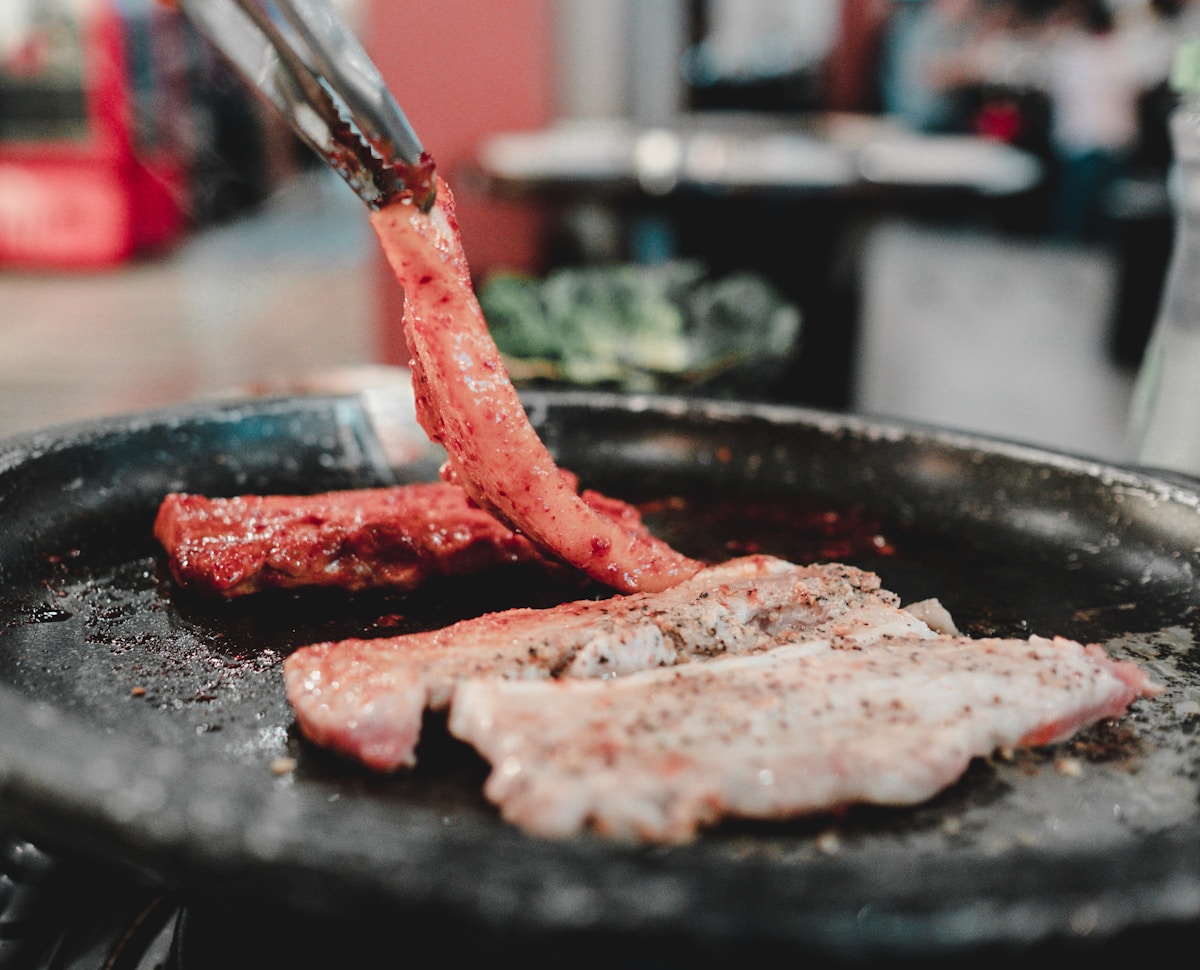
Gangneung punches well above its size when it comes to food. The city has a justified national reputation for its soft tofu, a centuries-old tradition of cooking with fresh seawater, and a coffee culture that has attracted more attention than most cities ten times its size. Beyond these signature items, the Gangwon coastal setting adds excellent seafood and a few hyperlocal dishes that are very hard to find outside the region. Here is a guide to what to eat in Gangneung and where to find the best versions.
Gangneung Soondubu Jjigae (Soft Tofu Stew)
Soondubu jjigae - silken tofu stew - is made all over Korea, but Gangneung’s version has a different character rooted in how the tofu is made locally. The Chodang method involves coagulating fresh soy milk using seawater drawn directly from the East Sea rather than the more common dried calcium sulfate or vinegar. The result is a tofu with a noticeably softer, creamier texture and a subtle brininess that distinguishes it from standard commercial soondubu.
The stew itself is typically served in a stone dolsot bowl, still bubbling on arrival at the table. It comes in variations - seafood (haemul), mushroom and vegetable (beoseot yachae), kimchi, and sometimes a mixed version. The accompanying spread of banchan side dishes is modest by Seoul restaurant standards but always includes kimchi and a few pickled vegetables.
Prices run approximately KRW 9,000–13,000 per person for a full meal as of 2026. The cheapest and most authentic versions are in the Chodang neighbourhood itself (see below).
Chodang Tofu Village
Chodang Tofu Village (Chodang Sundubu Maeul) is a pedestrianised cluster of restaurants and small tofu factories in the Chodang neighbourhood, northwest of the city centre near the coast. The area takes its name from the pen name of Heo Yeop, a Joseon-era scholar credited with developing the seawater tofu method in this neighbourhood.
The most traditional experience here is to order plain steamed tofu - served whole or in large slices - alongside a small dish of salt and a dipping sauce, rather than the stew. This lets the flavour of the tofu itself stand forward. The texture of freshly made Chodang tofu, still warm from the pot, is unlike anything produced commercially.
Most restaurants along the village street offer both the plain tofu and the full jjigae menu. Arrive early (before 09:00) if you want to see the morning production - most factories finish their daily tofu-making by mid-morning. The village is easily walkable and all the main establishments are visible from the street.
Anmok Coffee Street
Anmok Coffee Street is one of the most distinctive food and drink destinations on the Korean coast. More than 50 independent specialty coffee shops are packed into approximately 1 km of beachfront road at Anmok Beach, just north of Gyeongpo. Many roasters source single-origin beans and roast in small batches on-site; the quality across the strip is genuinely high.
The coffee culture here grew organically from a handful of early independent roasters and accelerated after national media coverage in the mid-2010s. Today it operates almost as a destination in its own right for domestic coffee tourists. The sea-facing layout of most cafes - with large windows or open terraces looking directly over Anmok Beach - makes the experience more atmospheric than a standard urban coffee stop.
Pricing is comparable to Seoul specialty cafes: hand-drip filter coffees typically KRW 7,000–9,000, espresso drinks KRW 5,500–8,000 as of 2026. There is no best or worst cafe on the strip - variation in style (light vs dark roast, different origins) means it is worth walking the length of the strip and choosing based on what you are in the mood for.
Gamja-Ongsimi (Potato Dumpling Soup)
Gamja-ongsimi is a traditional Gangwon regional dish that you are unlikely to encounter outside of this province. The soup is made with hand-shaped dumplings made from a mixture of grated raw potato and potato starch, which produces a dense, slightly chewy dumpling with a flavour distinct from wheat-based mandu. These are cooked in a clear broth - typically anchovy-based - sometimes with vegetables and mushrooms.
The dish is a cold-weather staple in the Gangwon highlands and has strong associations with the region’s agricultural traditions. It appears on menus at Gangneung’s Jungang Market and in a handful of traditional restaurants in the city centre.
Prices run approximately KRW 8,000–10,000 per bowl as of 2026. The market versions are usually the most affordable and authentic.
Haemul Pajeon (Seafood Pancake)
Haemul pajeon - large pan-fried pancakes filled with green onions and fresh seafood - is found all along the Korean coast, but the East Coast versions in Gangneung benefit from proximity to the morning fish market. The seafood content typically includes squid, oysters, and assorted shellfish, all of noticeably fresh quality.
The best haemul pajeon in Gangneung are found at Jungang Market and at a handful of older restaurants near the coast. A full-sized pancake (usually 30–35 cm in diameter) costs approximately KRW 12,000–18,000 as of 2026 and is meant to be shared between two to three people. It is typically accompanied by a dipping sauce of soy sauce and vinegar and goes well with makgeolli (milky rice wine).
Jungang Market (중앙시장)
Gangneung’s Jungang Market is a covered traditional market in the city centre that serves as the most practical single stop for tasting multiple regional specialities. The food section has stalls selling gamja-ongsimi, haemul pajeon, hotteok (sweet filled pancakes), gimbap, and fresh seafood at prices significantly lower than sit-down restaurants.
The market is most active in the mornings and early afternoon. It is also the best place in Gangneung to buy packaged regional products - dried seaweed, salted pollock roe, and Chodang tofu products - to take home.
From the city centre, the market is a short walk from the intercity bus terminal. Entry is free.
Book guided tours and activities in Gangneung through GetYourGuide.
Pick up an eSIM for South Korea to stay connected throughout your trip - Airalo offers easy top-up plans.
Ojingeo (Dried Squid)
Ojingeo - dried squid - is a quintessential East Coast Korean snack and Gangneung is one of the key spots to buy it. The squid is salted and air-dried, then typically served grilled over charcoal or eaten as-is as a drinking snack with beer or makgeolli. The flavour is intensely savoury with a chewy texture.
Street vendors selling freshly grilled ojingeo appear at Gyeongpo Beach, along Anmok, and at Jungang Market. A single grilled squid costs approximately KRW 3,000–5,000 as of 2026. Larger packaged varieties for gifts are sold throughout the market and at shops near the bus terminal.
For full details on where to sleep, read our Gangneung where to stay guide. For a complete overview of the city’s attractions, see our things to do in Gangneung guide. The Gangneung city hub covers getting here and getting around.