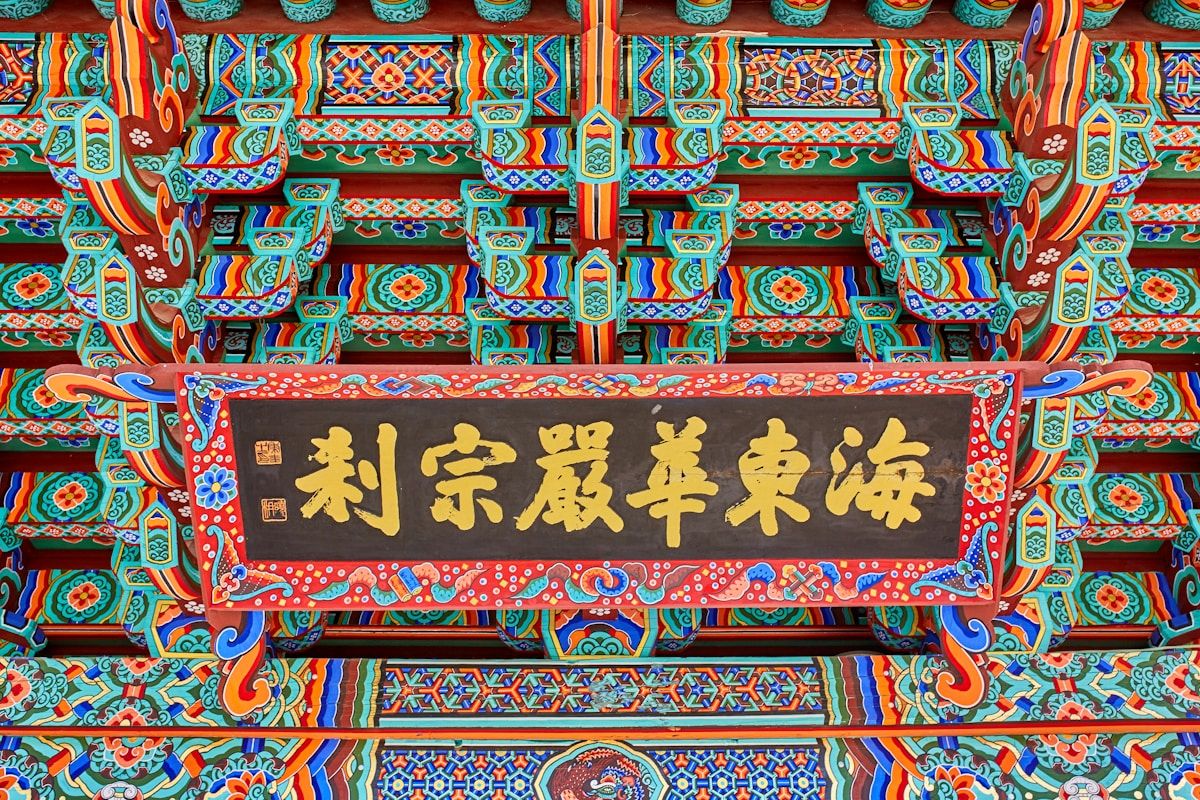
Two weeks opens up South Korea beyond the standard Seoul–Busan corridor. This route adds the east coast mountains at Seoraksan, the traditional Confucian village at Andong, and three full days on Jeju Island. The pace allows for slower mornings, unplanned detours, and repeat visits to markets and neighbourhoods that deserve more than a single pass.
The itinerary runs roughly clockwise: Seoul north to the DMZ, northeast to Sokcho and Seoraksan, south through Andong and Gyeongju, east to Busan, then a flight to Jeju. This routing minimises backtracking and uses the KTX and intercity bus network efficiently.
Days 1–4: Seoul
Day 1: Palaces and Bukchon
Gyeongbokgung Palace - entry KRW 3,000 (USD 2.20) as of 2026, closed Tuesdays. Guard-changing at 10:00 and 14:00. The National Folk Museum inside is free with your ticket.
Walk east to Bukchon Hanok Village (free), then south to Insadong. Lunch at Sanchon - Buddhist temple cuisine, multi-course set approximately KRW 35,000–45,000 (USD 26–33). Afternoon at Changdeokgung Palace - entry KRW 3,000; Secret Garden tour KRW 5,000 (USD 3.70), English tours at 10:30, 14:30, 16:30.
Evening: Myeongdong street food - budget KRW 10,000–15,000 (USD 7–11). Dinner at Myeongdong Kyoja - kalguksu and mandu, approximately KRW 10,000–13,000 (USD 7–10).
Where to stay: Lotte City Hotel Myeongdong - from approximately KRW 140,000 (USD 103) per night. Hotel28 Myeongdong - from approximately KRW 85,000 (USD 63) per night as of 2026.
Day 2: Namsan, Markets, and Southern Seoul
Morning: Namsan Tower - cable car KRW 11,000 (USD 8) return, observation deck KRW 16,000 (USD 12).
Lunch: Gwangjang Market for bindaetteok (KRW 5,000 / USD 3.70) and mayak gimbap (KRW 3,500 / USD 2.60).
Afternoon: Gangnam - Bongeunsa Temple (free), COEX Mall, Starfield Library (free). Dinner at Maple Tree House - Korean BBQ, approximately KRW 35,000–50,000 (USD 26–37) per person.
Day 3: DMZ Day Trip
Half-day DMZ tour - approximately KRW 65,000–85,000 (USD 48–63) per person. JSA requires 3+ days advance passport submission. Return by 14:00.
Afternoon: War Memorial of Korea (free, closed Mondays). Evening: Hongdae nightlife district.
Day 4: Seoul Free Day
Use this day for anything missed or for deeper dives. Options: Leeum Museum of Art (KRW 18,000 / USD 13), Itaewon dining, Bukhansan National Park hiking (free entry, accessible by metro Line 3 to Gupabal station then bus 704). The Bukhansan ridge trail to Baegundae Peak takes approximately 3–4 hours round trip and offers views across the entire city.
Alternatively: day trip to the Korean Folk Village in Yongin - approximately 1 hour south of Seoul by subway + shuttle bus. Entry KRW 25,000 (USD 18) as of 2026. A working recreation of Joseon-period village life with traditional performances.
Days 5–6: Sokcho and Seoraksan National Park
Day 5: Getting There and Sokcho
Express bus from Seoul Express Bus Terminal (Gangnam) to Sokcho - approximately 2 hours 30 minutes, KRW 18,000–22,000 (USD 13–16). Buses depart every 30 minutes.
Afternoon: Explore Sokcho - the Abai Village fish cake quarter serves odeng (fish cake skewers) from approximately KRW 3,000 (USD 2.20). Take the hand-pulled ferry across the channel (KRW 500 / USD 0.40 - one of the last in Korea). Jungang Market in the town centre is a compact local market with grilled squid and dakgangjeong (sweet crispy chicken) from approximately KRW 12,000 (USD 9).
Evening: Dinner at Dandok Sikdang in Sokcho - sundubu-jjigae (soft tofu stew) from approximately KRW 9,000 (USD 6.60).
Where to stay: Lotte Resort Sokcho - from approximately KRW 150,000 (USD 110) per night. Sokcho Mare Hotel - from approximately KRW 80,000 (USD 59) per night as of 2026.
Day 6: Seoraksan National Park
Seoraksan is the most dramatic mountain park in South Korea - part of the Taebaek range, with granite peaks, waterfalls, and autumn foliage that draws the entire country in October. Entry is KRW 3,500 (USD 2.60) as of 2026. The park opens at 05:00 in summer and 07:00 in winter.
Cable car option: The Gwongeumseong cable car runs to a fortress ruin at 700 metres - KRW 11,000 (USD 8) one way, KRW 15,000 (USD 11) return. Good views without a serious hike.
Hiking option: The Biseondae trail follows a river valley to a series of rock pools - approximately 3.8 km one way, 2 hours. Manageable for moderate fitness. The Ulsanbawi Rock trail (3.8 km, 808 steps at the end) is steeper but the granite peaks at the summit are the park’s most photographed sight. Allow 4 hours return.
Pack lunch or eat at the small restaurants near the park entrance. A bibimbap set costs approximately KRW 10,000 (USD 7).
Day 7: Sokcho to Andong
Getting There
Intercity bus from Sokcho to Andong - approximately 3 hours 30 minutes, KRW 22,000–26,000 (USD 16–19). Buses run 4–5 times daily; check schedules at the Sokcho Express Bus Terminal.
Afternoon: Hahoe Folk Village
Hahoe Village is a UNESCO World Heritage Site - a living Joseon-era village where residents still live in traditional hanok houses behind clay walls along the Nakdong River. Bus 46 from Andong Bus Terminal runs to Hahoe (approximately 50 minutes, KRW 2,000 / USD 1.50). Entry to the village is KRW 5,000 (USD 3.70) as of 2026.
Walk the village lanes, visit the Mask Museum (documenting Hahoe’s famous tal mask dance tradition), and walk to Buyongdae Cliff across the river for a panoramic view of the village below.
Evening: Return to Andong for jjimdak - Andong’s signature braised chicken dish with glass noodles and vegetables. Andong Jjimdak Alley in the old market area has a row of competing restaurants, all serving the dish from approximately KRW 25,000–35,000 (USD 18–26) for a pot that feeds 2–3 people.
Where to stay: Andong Park Hotel - from approximately KRW 70,000 (USD 52) per night. Hahoe has a few traditional guesthouses from approximately KRW 60,000 (USD 44) if you prefer to stay in the village.
Days 8–9: Gyeongju
Day 8: Getting There and Central Gyeongju
Bus from Andong to Gyeongju - approximately 2 hours 30 minutes, KRW 16,000–20,000 (USD 12–15). Direct buses run several times daily.
Afternoon: Tumuli Park (Daereungwon) - entry KRW 3,000 (USD 2.20). Walk through the grass-covered royal tombs of the Silla Dynasty. Cheonmachong tomb has a walk-through interior. Continue to Cheomseongdae observatory (free exterior viewing) and Wolji Pond (entry KRW 3,000 / USD 2.20) - visit Wolji at dusk for the illuminated reflections.
Dinner: Sukyoung Garden near the old town - a Gyeongju-style Korean set meal from approximately KRW 15,000 (USD 11) per person.
Where to stay: Commodore Hotel Gyeongju - from approximately KRW 100,000 (USD 74) per night. GG House Gyeongju - from approximately KRW 50,000 (USD 37) per night.
Day 9: Bulguksa, Seokguram, and Gyeongju National Museum
Morning: Bus 10 or 11 to Bulguksa Temple (40 minutes, KRW 1,800 / USD 1.30). Entry KRW 6,000 (USD 4.40). Shuttle to Seokguram Grotto (15 minutes, KRW 2,500 / USD 1.80), entry KRW 6,000 (USD 4.40).
Afternoon: Gyeongju National Museum (free) - the Silla gold crown collection alone justifies a visit. Emille Bell, one of the largest and oldest bells in Asia, is also here. Open 10:00–18:00, closed Mondays.
If time allows: Namsan Mountain on the south side of the city has hundreds of scattered Buddhist rock carvings, stone pagodas, and temple ruins along its hiking trails. The Samneung Valley trail takes approximately 2 hours and passes several carved Buddhas.
Days 10–11: Busan
Day 10: Getting There and Haeundae
KTX from Singyeongju to Busan - approximately 30 minutes, KRW 12,000–14,000 (USD 9–10).
Morning: Haedong Yonggungsa Temple - bus 181 from Haeundae (30 minutes, KRW 1,400 / USD 1). Free entry. Arrive early.
Lunch: Haeundae Market - raw fish platters from approximately KRW 30,000 (USD 22) for two.
Afternoon: Haeundae Beach and Blueline Park sky capsule - KRW 10,000 (USD 7) one way as of 2026.
Evening: Gwangalli Beach - illuminated bridge views. Dinner at Obaltan - agujjim from approximately KRW 25,000 (USD 18) per person.
Where to stay: Lotte Hotel Busan - from approximately KRW 180,000 (USD 133) per night. Toyoko Inn Busan Station - from approximately KRW 70,000 (USD 52) per night.
Day 11: Busan Markets, Villages, and Taejongdae
Morning: Gamcheon Culture Village - bus 1-1 or 2-2 from Toseong station. Map trail KRW 2,000 (USD 1.50).
Lunch: Jagalchi Fish Market - raw fish sets from approximately KRW 40,000 (USD 29) for two. BIFF Square for hotteok (KRW 2,000 / USD 1.50).
Afternoon: Taejongdae Resort Park - bus 101 from Nampo-dong. Free entry, Danubi Train KRW 3,000 (USD 2.20).
Evening: Seomyeon district - Ssonsal Dwaeji Gukbap for Busan pork rice soup, approximately KRW 9,000 (USD 6.60).
Days 12–14: Jeju Island
Day 12: Flight and South Coast
Fly Busan Gimhae to Jeju - approximately 55 minutes, from approximately KRW 45,000 (USD 33) on budget carriers as of 2026. Rent a car at Jeju Airport from approximately KRW 40,000 (USD 29) per day.
Drive south to Seogwipo. Stop at Cheonjiyeon Waterfall - entry KRW 2,500 (USD 1.80). Walk through Jungmun Saekdal Beach - dark volcanic sand and columnar basalt cliffs. Visit the Teddy Bear Museum in Jungmun if the weather turns - entry KRW 14,000 (USD 10) as of 2026.
Evening: Dombe Garden in Seogwipo - black pork BBQ, approximately KRW 40,000–50,000 (USD 29–37) for two.
Where to stay: Seogwipo KAL Hotel - from approximately KRW 110,000 (USD 81) per night. Jeju Shinhwa World Marriott - from approximately KRW 200,000 (USD 147) per night.
Day 13: East Coast
Morning: Seongsan Ilchulbong (Sunrise Peak) - entry KRW 5,000 (USD 3.70). The crater rim hike takes approximately 25 minutes. Watch for haenyeo divers at the harbour below.
Manjanggul Lava Tube - entry KRW 4,000 (USD 2.90). One of the longest lava tubes globally at 7.4 km (1 km open to visitors). Open 09:00–18:00.
Afternoon: Udo Island - a small island off the east coast accessible by ferry from Seongsan Port. Ferry KRW 8,500 (USD 6.25) return as of 2026. Rent an electric scooter on the island (KRW 20,000 / USD 15 for 2 hours) to circle the coral beaches and peanut ice cream stalls. Last ferry back departs at approximately 17:00 in summer.
Day 14: West Coast and Departure
Morning: O’sulloc Tea Museum - free entry. Walk through the green tea fields, taste matcha desserts (soft serve approximately KRW 6,000 / USD 4.40). Nearby Innisfree Jeju House offers cosmetics and garden walks.
Hyeopjae Beach - white sand and shallow turquoise water, backed by the volcanic cone of Biyangdo Island offshore. Hallim Park (entry KRW 12,000 / USD 8.80 as of 2026) next door has botanical gardens and lava caves.
Return the car to Jeju Airport and fly to Seoul Gimpo or Incheon for your international departure.
Budget Summary (Per Person, 14 Days)
| Category | Budget | Mid-Range |
|---|---|---|
| Accommodation (13 nights) | KRW 780,000 (USD 574) | KRW 1,560,000 (USD 1,147) |
| Food | KRW 420,000 (USD 309) | KRW 700,000 (USD 515) |
| Transport (KTX + bus + flights) | KRW 320,000 (USD 235) | KRW 400,000 (USD 294) |
| Car rental Jeju (3 days) | KRW 120,000 (USD 88) | KRW 150,000 (USD 110) |
| Attractions + DMZ | KRW 170,000 (USD 125) | KRW 210,000 (USD 154) |
| Total | KRW 1,810,000 (USD 1,331) | KRW 3,020,000 (USD 2,220) |
What This Route Misses
Two weeks is comprehensive but still does not cover everything. Omissions worth noting for a return trip: Jeonju (hanok village and bibimbap), Damyang (bamboo forests), the DMZ east coast area around Goseong, and the southern coast islands near Tongyeong. The Korean temple stay programme - overnight stays in working Buddhist temples - is also worth building in if you extend to three weeks.
Book tours and activities in South Korea through GetYourGuide. Booking at short notice? Our last-minute tours page lists options with same-day or next-day availability across the country.
Get an eSIM for South Korea with Airalo so you have data from the moment you land.
Book trains and buses between cities through the KORAIL website or at station ticket counters.
Detailed City Guides
Each city on this route has a dedicated guide: Seoul | Sokcho | Andong | Gyeongju | Busan | Jeju Island. Shorter on time? See the 10-day itinerary or the 1-week route.
Book Your Trip
- Flights - Find the best fares to South Korea
- Travel Insurance - Get covered before you go
- eSIM - Stay connected from landing
- Airport Transfers - Pre-book your transfer from Incheon International Airport
- Car Rental - Compare prices across providers
- Tours & Activities - Browse South Korea tours on GetYourGuide