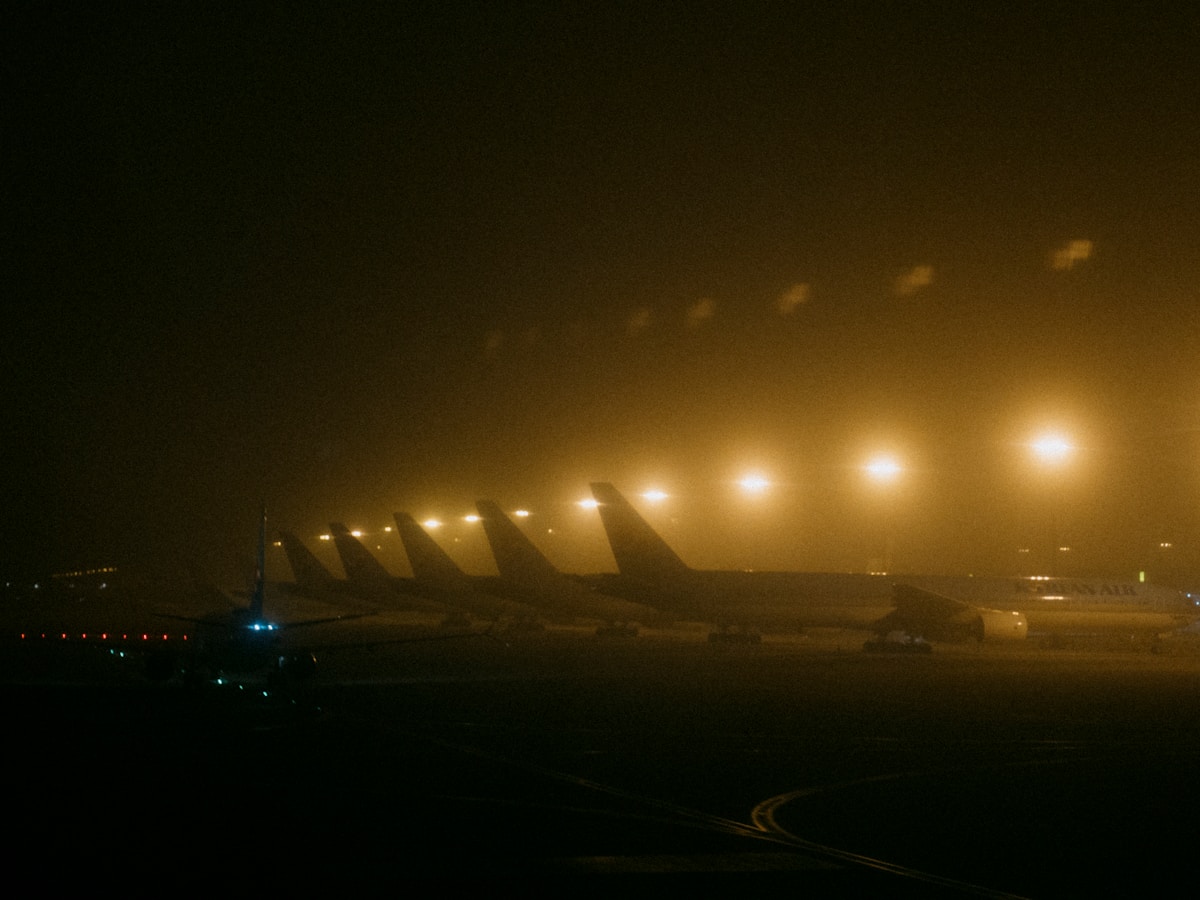
South Korea is well-connected by air to most major world cities, with Incheon International Airport serving as one of Asia’s busiest aviation hubs. Finding a good fare requires knowing when to look and which options to compare.
Main Entry Airport
Incheon International Airport (ICN) - the principal international gateway, about 60 km west of central Seoul. It serves direct flights from over 60 countries and handles roughly 70 million passengers annually. Two terminals: most airlines use T1, while Korean Air and some SkyTeam partners use T2. The two are connected by a free shuttle train.
Gimpo Airport (GMP) - handles domestic routes and limited international services to Tokyo Haneda, Osaka, Beijing, Shanghai, and a few other nearby cities. Useful for connecting to or from Japan or China without using Incheon.
Gimhae Airport (PUS), Busan - serves some international flights, mainly regional Asian routes. Worth checking if you are heading to southern Korea rather than Seoul.
Airlines
Korean carriers:
- Korean Air - the national carrier, serving routes from all major world regions
- Asiana Airlines - second major full-service carrier with wide route network
- Jin Air, Jeju Air, Air Busan - low-cost carriers mostly serving intra-Asian routes
International carriers with strong Seoul routes:
- Japan: ANA, JAL
- China: Air China, China Southern, China Eastern
- Southeast Asia: Singapore Airlines, Cathay Pacific, Thai Airways
- Europe: Lufthansa, KLM, Air France, British Airways, Finnair
- North America: United, Delta, Air Canada
Typical Fare Ranges
Prices fluctuate significantly by season and booking lead time, but these ranges give a rough baseline for return economy fares (as of 2026):
- UK to Seoul (Incheon): £500–900 direct on Korean Air, Asiana, or British Airways; £380–650 via an Asian hub (usually adding 3–6 hours)
- Continental Europe to Seoul: €450–850 direct; stopover routing via Doha or Dubai can drop this to €350–620
- US East Coast to Seoul: US$750–1,300 direct; routing via Tokyo or Hong Kong often saves US$150–250
- US West Coast to Seoul: US$550–1,000 direct; Korean Air and Asiana are usually competitive here
- Australia to Seoul: AUD 900–1,600 direct from Sydney or Melbourne; Qantas codeshares with Asiana on this route
Budget carriers (Jin Air, Jeju Air, Scoot) operate on intra-Asia routes — useful if you are combining Korea with a Japan or Southeast Asia leg, as separate one-way tickets on budget airlines often undercut through-fares significantly.
Booking Tips
Book early for peak periods: April (cherry blossoms), September–October (autumn foliage), and the Chuseok/Seollal holiday periods see fares rise substantially. Booking 2–3 months ahead for these dates is advisable.
Check stopover routing: Routing through major Asian hubs (Tokyo, Hong Kong, Singapore, Bangkok) can offer significant price reductions on long-haul routes from Europe, Australia, or North America. The additional journey time is the trade-off.
Consider flying into Busan or Daegu: For trips focused on southern or eastern Korea, flying into Busan (Gimhae) or Daegu airports - when international connections are available - can save the Seoul transfer time.
Compare on flight search engines: Use flight comparison tools to check multiple booking options at once. Searching a range of dates across a ±3-day window often reveals significantly better fares.
Getting from Incheon to Seoul
Once you land at Incheon:
- AREX Express Train: 43 minutes to Seoul Station. Comfortable, reliable, runs frequently
- AREX All-Stop Train: 66 minutes, stops at intermediate stations, costs less
- Limousine Bus: Comfortable coaches to hotel districts throughout Seoul; journey 60–90 minutes depending on destination and traffic. Useful if staying far from a metro station
- Taxi: Available from the arrivals level. Cost approximately KRW 60,000–80,000 to central Seoul depending on destination and traffic. Kakao T app works from the airport
- Private transfer: For a fixed fare and a driver meeting you in arrivals, Welcome Pickups operates from Incheon and removes the fare uncertainty of a metered taxi
For pre-booked airport transfers and private cars, see our South Korea airport transfers guide.
If your flight is delayed or cancelled and you’re entitled to compensation, our flight delay compensation guide explains the EU 261/2004 rules and how to file a claim.
Plan Your Trip
✈️ Book your flights to South Korea 🛡️ Get travel insurance 📱 Stay connected with an eSIM 🚗 Rent a car