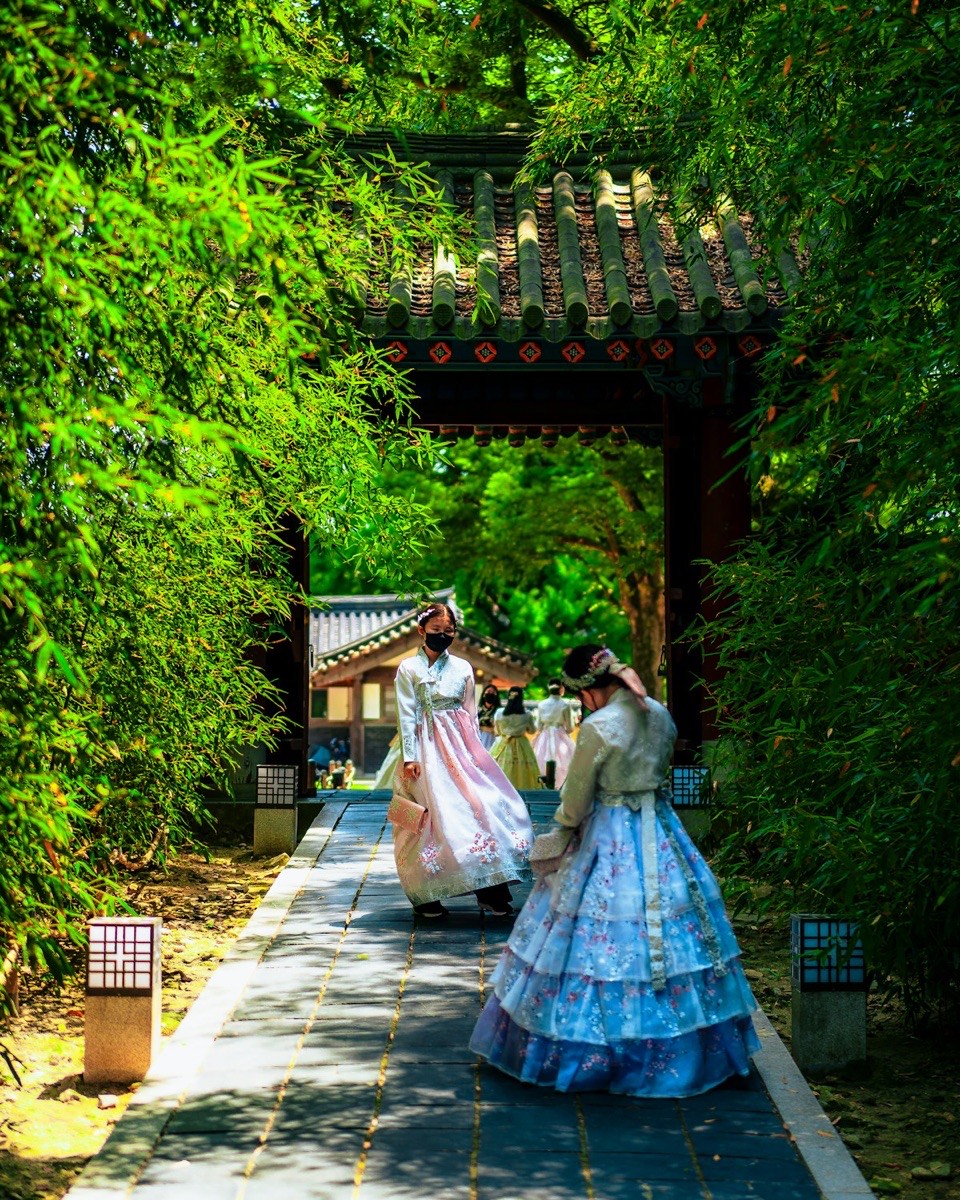
South Korea’s cultural export - known as Hallyu or the Korean Wave - has made the country one of the world’s most compelling travel destinations. Fans arrive chasing the music, the dramas, the skincare routines, and the food they first encountered on a screen. What they find is a country where the culture is genuine and deep: the K-pop fandoms, the food markets, the hiking trails, and the Buddhist temples all exist independently of the hype. This guide connects the dots across every strand of K-culture, with links to our in-depth guides for each.
K-pop Tourism: HYBE, SM, Fan Cafes and Concerts
Seoul is the engine room of the global K-pop industry, and the city has built a full ecosystem of fan experiences around it.
HYBE Insight in Yongsan-gu is the most immersive K-pop museum in Korea - an interactive exhibition covering BTS, SEVENTEEN, NewJeans and the full HYBE roster. Tickets sell out weeks ahead on Weverse; booking as soon as you confirm travel dates is essential.
SM Town COEX Artium in Gangnam houses the SM Entertainment exhibition floor, SM Store, and a high-end restaurant. The Gangnam district overall is dense with idol-adjacent culture: Cube Entertainment, Big Hit (original HQ), and dozens of idol-themed cafes where the menu boards rotate with each comeback.
Hongdae is the indie counterpart - street busking culture, underground live venues, and the kind of cramped record shops that made K-pop what it is before corporate showcase culture took over.
For concerts, the main venues are KSPO Dome (Olympic Park), KSPO Hall, and the Jamsil Olympic Stadium. Interpark and Weverse Shop are the primary ticket platforms; read our K-pop tourism Seoul guide for a step-by-step walkthrough of buying tickets from abroad and navigating the fan cafe system.
K-drama Filming Locations
South Korea’s drama industry produces hundreds of series a year, and a growing number of fans plan their entire itinerary around the sets.
Seoul’s key drama districts include Bukchon Hanok Village (period dramas, including scenes from Mr. Sunshine), Namsangol Hanok Village (accessible and free), and the alleys of Ikseon-dong which appear in numerous contemporary romcoms.
Outside Seoul, Gongjin Beach in Chungcheongnam-do was the filming location for Hometown Cha-Cha-Cha. Nami Island, a short bus and ferry ride from Seoul, remains a pilgrimage site for Winter Sonata fans. Jeju Island features heavily across Korean drama - the volcanic coastline, stone walls, and haenyeo (female divers) culture appear in Our Blues, Welcome to Samdalri, and others.
We’ve mapped out 20+ verified filming locations with transport directions and site access details in our K-drama filming locations guide.
K-beauty: Myeongdong, Garosugil and Beyond
Korean skincare has a global cult following, and shopping for it in Seoul is a very different experience from buying online.
Myeongdong is ground zero. A tight grid of streets between Euljiro and Namdaemun Market holds the flagship stores of every major Korean brand - Laneige, COSRX, Sulwhasoo, Innisfree, TONYMOLY - alongside sheet mask pop-ups, sampling stations, and hawkers selling toner pads from handheld trays. Street food vendors run parallel to the beauty shops, so you can grab tteokbokki between serum decisions.
Garosugil in Gangnam is slower and more curated - boutique labs, indie perfumers, and dermatologist-adjacent skincare brands that haven’t gone mass market. This is where Korean skincare insiders shop.
Olive Young (a pharmacy-format K-beauty chain) has branches across every major district and is the easiest one-stop destination for value products, lesser-known brands, and current bestseller lists.
For jjimjilbang (Korean sauna) experiences and Korean head spa treatments - the therapeutic side of K-beauty - see our Korean head spa and K-beauty guide.
Korean Food Culture
Food is the most accessible entry point into K-culture - you don’t need to know a single lyric or drama title to be converted by a proper Korean meal.
Korean BBQ is the centrepiece. The ritual of tabletop grilling, the parade of banchan side dishes, and the social structure around shared meat make it a fundamentally different experience from any other cuisine. Our Korean BBQ guide covers the cuts worth ordering, how to read a menu, grill etiquette, and the best restaurants in Seoul and Busan.
Street food markets are where everyday Korean food culture lives. Gwangjang Market in Jongno serves bindaetteok (mung bean pancakes) and mayak gimbap from stalls that haven’t changed in decades. Namdaemun and Tongin Market cover everything from tteokbokki to dak-kkochi (grilled chicken skewers). Our Korean street food guide walks through the best markets by city, what to order at each, and what to expect to pay.
Temple food - the vegetarian cuisine developed within Korea’s Buddhist monasteries - is increasingly sought out as a cultural experience in its own right. Balwoo Gongyang near Jogyesa Temple in Seoul is the most accessible fine-dining expression; temple stay programmes include simple temple food as part of the experience.
Temple Stays
Templestay is a government-backed programme that opens Korea’s working Buddhist monasteries to overnight visitors. Participants follow the monastic schedule - 4am dawn bell, 108 prostrations, morning chanting - then spend the day in temple grounds with optional guided meditation and walking meditation sessions.
Major Templestay sites include Jogyesa (Seoul), Haeinsa (South Gyeongsang, home of the Tripitaka Koreana), Tongdosa (near Busan), and Beopjusa (North Chungcheong). Two-day programmes typically cost between ₩80,000 and ₩120,000 as of 2026. See our temple stay guide for booking instructions and a breakdown of what each experience involves.
Hiking as K-culture
Korea’s relationship with mountains - san culture - is as central to national identity as K-pop, and trails like Seoraksan and Hallasan regularly feature in dramas and variety shows.
Seoraksan National Park in Gangwon Province is Korea’s most dramatic hiking landscape: granite peaks, rope-ladder scrambles, and the Ulsanbawi rock formation above the treeline. Autumn (October–November) turns the slopes a vivid red and orange. Our Seoraksan hiking guide covers trail options by difficulty, the cable car shortcut, park fees (₩3,500 as of 2026), and getting there from Seoul.
Hallasan on Jeju Island is South Korea’s highest peak and an extinct volcano with a summit crater lake. Two main trails - Seongpanak and Gwaneumsa - require advance reservation from late spring through autumn. Our Hallasan hiking guide covers the reservation system, trail comparison, and what to pack.
Jeju Olle Trails are a network of 26 coastal and inland walking routes that circle the entire island - a very different pace from Hallasan’s summit push. Our Jeju Olle trail guide highlights the best routes for first-timers, including Route 1 along the Seongsan coast and Route 7 through Jungmun.
Udo Island, a 30-minute ferry from Seongsan Pier, combines easy coastal walking (Olle Route 1-1), black sand beaches, and peanut ice cream in a single compact day trip. See our Udo Island guide for ferry timings and what to do once you arrive.
K-culture Festivals
- KCON (annual, Seoul and Incheon): The largest K-culture convention outside the US - idol showcases, beauty panels, food exhibitions, and fan meets.
- Cherry Blossom Season (late March–mid April): Not a K-pop festival, but heavily woven into Korean cultural identity through song lyrics, drama backdrops, and the national picnic ritual beneath the trees.
- Boryeong Mud Festival (July, South Chungcheong): Famous internationally, draws large numbers of foreign visitors.
- Busan International Film Festival (October): The region’s most prestigious film festival, with Korean cinema at its core.
Planning Your K-culture Trip
Most K-culture experiences cluster in Seoul - Gangnam, Hongdae, Myeongdong, and Bukchon can occupy three to four full days. A practical base structure:
- 3–4 days Seoul: K-pop, K-beauty, food markets, temple stays, drama districts
- 1 day Nami Island / Petite France: Drama location day trip
- 2–3 days Jeju: Hallasan, Olle trails, Udo Island, haenyeo culture
- 1–2 days Seoraksan/Sokcho: Hiking and East Sea coast
The Korea Rail Pass covers KTX high-speed trains between Seoul, Gyeongju, Busan, and the south - the most efficient way to move between K-culture destinations.
For guided K-pop district walks, K-drama location tours, and fan cafe experiences, browse Seoul tours and activities on GetYourGuide.