Jeju Island occupies a category of its own within South Korea — a volcanic island 85 kilometres off the southern coast, triple-listed by UNESCO for its natural heritage, with a landscape shaped entirely by the geological violence of its formation. The island is South Korea’s largest holiday destination for domestic tourists and one of Asia’s growing destinations for international visitors. The guided tours here work directly with what makes Jeju physically distinct: the volcanic summit, the lava tube system, the coastal tuff cone, and the horse-raising culture that traces back to Mongol occupation.
These are the tours that make the most of Jeju’s specific natural and cultural character. All are bookable through GetYourGuide with free cancellation on most options.
1. Hallasan Hiking Tour
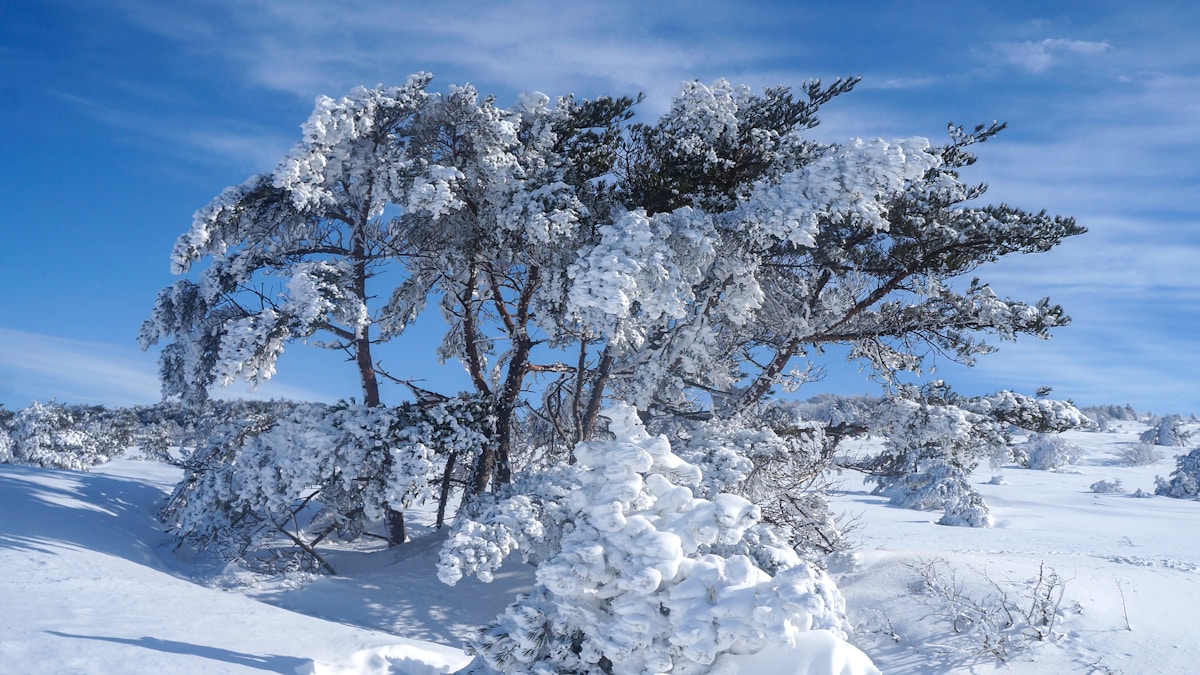
Hallasan (한라산) — at 1,950 metres, the highest mountain in South Korea — is a dormant shield volcano that defines the island’s central geography. Everything on Jeju flows from Hallasan: the lava plateau that forms the island’s base, the parasitic volcanic cones (oreum) scattered across the terrain, the lava tube system underground, and the black basalt rock visible everywhere from farmland walls to coastal cliffs.
The mountain is a genuine alpine environment. The summit crater — Baengnokdam, a crater lake that fills with snowmelt and rainfall — sits in a different ecological zone from the coastal plain below. The terrain above 1,700 metres supports plant communities found nowhere else in South Korea, including Hallasan golden primrose and Jeju gentian.
The two main summit routes are: Seongpanak (성판악) on the eastern flank — 9.6 km one-way, gradual ascent, dense forest lower down, alpine meadow higher up; and Gwaneumsa (관음사) on the northern flank — 8.7 km one-way, steeper, more dramatic canyon scenery. Both take 4-5 hours to the summit. Trail cutoffs mean you must be at the summit checkpoint by 12pm to proceed to the top; starting before 7am is recommended.
A guided Hallasan hiking tour includes trail selection based on weather conditions (the summit frequently clouds over by midday), endemic plant identification, route pacing to make the summit cut-off, and transport to the trailhead from central Jeju City. From approximately $40-60 per person as of 2026.
Duration: Full day (8-10 hours) | Difficulty: Strenuous — alpine conditions above 1,500m | Entry: Free | Essential: Sturdy hiking boots, layered clothing, water and snacks
2. Manjanggul Lava Tube Tour
Manjanggul (만장굴) is one of the longest and most significant lava tube systems in the world — 7.4 kilometres long and listed as part of the Jeju Volcanic Island and Lava Tubes UNESCO World Heritage Site. The tube formed approximately 250,000-300,000 years ago as lava flowed downhill from Hallasan, with the outer surface solidifying while liquid lava continued flowing inside, leaving the hollow channel behind.
The publicly accessible section is 1 kilometre long and illuminated. The physical scale of the tube is striking: the main corridor averages 18 metres in width and 23 metres in height, large enough that columns of rock formation are visible across the full width of the ceiling. The most famous formation is the lava column at the 700-metre mark — 7.6 metres tall, formed when lava dripping from the ceiling over centuries solidified into a free-standing pillar. It is the world’s largest known lava column.
A guided Manjanggul lava tube tour adds geological explanation — how the tube formed, what the different lava textures on the floor and walls indicate about flow speed and cooling rate, and why the specific location of lava columns is significant. Many guides combine Manjanggul with the nearby Geomunoreum Lava Tube System (not publicly accessible, but viewable from the UNESCO information centre) and Seongsan Sunrise Peak. From approximately $35 per person including entry.
Entry: KRW 4,000 (about $3) | Duration: 2-3 hours with guide | Temperature: 11-12C inside year-round — bring a layer | Nearby: Gimnyeong Maze Park, Jeju Stone Park
3. Seongsan Sunrise Peak Tour
Seongsan Ilchulbong (성산일출봉) — Sunrise Peak — is the most iconic image in Jeju: a 182-metre tuff cone that rose from underwater volcanic eruptions approximately 5,000 years ago, with a massive crater at its summit and its eastern face dropping sharply into the sea. It is UNESCO-listed as part of the Jeju Geopark, one of nine designated sites on the island.
The climb is 99 stairs and a steep path — about 20-30 minutes to the summit. The crater at the top is roughly 600 metres in diameter and still clearly bowl-shaped, with grassy crater floor visible below the rim. The views over the Seogwipo coastline to the south and toward the eastern oreum fields are among the best on the island. Sunrise visits (4:30-5:30am depending on season) are popular enough that they require early arrival; the peak crowds to capacity at peak summer.
The Seongsan area also has a haenyeo diving demonstration — women free-divers who harvest shellfish and sea vegetables without equipment, a tradition with roots 1,500 years old and designated by UNESCO as Intangible Cultural Heritage. Demonstrations run at specific times (check locally) at the base of the tuff cone.
The Jeju full-day east coast tour combines Seongsan Sunrise Peak, Manjanggul Lava Tube, Seopjikoji Cape, and a haenyeo demonstration — all entry fees included, from approximately $43 per person. This is the most efficient way to cover the east coast UNESCO highlights in a single day.
Entry: KRW 5,000 (about $3.75) | Duration: 1-2 hours at the peak, full day as part of east coast tour | Best time: Sunrise for spectacle; 10am-2pm to avoid crowds
4. Jeju Horse Riding Experience
Jeju’s horse culture predates the Korean dynasty. When Kublai Khan’s Mongol forces occupied Jeju in 1276, they found terrain and climate suited to the horse pasture system they used throughout their empire and established 10 horse farms (mok) on the island. The Jeju horse (제주마) that emerged from this period is a distinct breed — compact, hardy, sure-footed on volcanic terrain — and Jeju remained the principal horse-breeding region of the Korean peninsula for centuries.
Today, Jeju has numerous horse riding farms, ranging from short introductory circuits (15 minutes on a flat track, suitable for children and non-riders) to longer trail rides on the island’s Olle Trail coastal paths. The Olle path rides — typically 60-90 minutes on horseback along the black basalt coastal routes — are the most rewarding, combining the Jeju landscape with a mode of transport that has genuine historical roots here.
Jeju horse riding experiences run from approximately $25-50 per person depending on duration and trail type as of 2026. Longer coastal trail rides require booking ahead. Most farms are concentrated in the Seogwipo area (south coast) and near the oreum fields of the central plateau.
Duration: 30 minutes to 2 hours | Experience required: None for standard rides | Best time: Autumn (September-November) for cool temperatures and clear skies
5. Jeju Coastal Scenic Drive and Waterfall Tour
Jeju’s coastal road — Route 1132, the island perimeter highway — runs approximately 180 km around the island’s full circumference. The landscape changes character dramatically between the north coast (Jeju City, more developed, black sand beaches at Hamdeok), the east coast (Seongsan area, oreum volcanic cones, Seopjikoji windmill coast), and the south coast (Seogwipo city, waterfall country, subtropical Olle paths).
The south coast has the island’s three major waterfalls: Cheonjeyeon (천제연, “Pond of the Emperor of Heaven”) — a three-tiered waterfall system in a forested gorge; Cheonjiyeon (천지연, “Heaven and Earth”) — a single dramatic drop into a pool filled with freshwater eels; and Jeongbang (정방) — one of the very few waterfalls in Asia that falls directly into the sea, with the water dropping from a 23-metre basalt cliff face into the ocean.
A guided Jeju coastal tour typically combines two or three waterfall stops with Oedolgae Rock (a 20-metre volcanic basalt stack on the Seogwipo waterfront), Jusangjeolli Cliffs (hexagonal basalt column formations similar to Giant’s Causeway in Ireland), and the Hyeopjae turquoise beach on the west coast. From approximately $40-55 per person as of 2026.
Duration: 7-9 hours | Difficulty: Easy | Entry: Waterfalls KRW 2,000-3,000 each (approximately $1.50-$2.25) | Best time: Spring (April-May) for subtropical foliage; autumn (October-November) for clear skies
Comparing Jeju Tours
| Tour | Duration | Best for | From Price |
|---|---|---|---|
| East Jeju UNESCO Day | 9-10 hrs | Seongsan + lava tube + haenyeo | $43 |
| Hallasan Hiking Tour | Full day | Alpine summit, endemic wildlife | $50 |
| Manjanggul Lava Tube | 2-3 hrs | Geology, world’s largest lava column | $35 |
| Horse Riding Trail | 1-2 hrs | Olle coastal paths, Mongol heritage | $35 |
| Coastal Waterfall Tour | 7-9 hrs | South coast waterfalls, basalt cliffs | $45 |
Prices per person in USD as of 2026. Most tours offer free cancellation up to 24 hours before departure; check individual listings for specific policies.
Jeju rewards at least 3-4 days for meaningful exploration — the island is larger than it looks on maps, and the distances between sites require a full day each. For a complete overview of planning a Jeju trip, see our Jeju Island guide. Browse all Jeju tours on GetYourGuide.