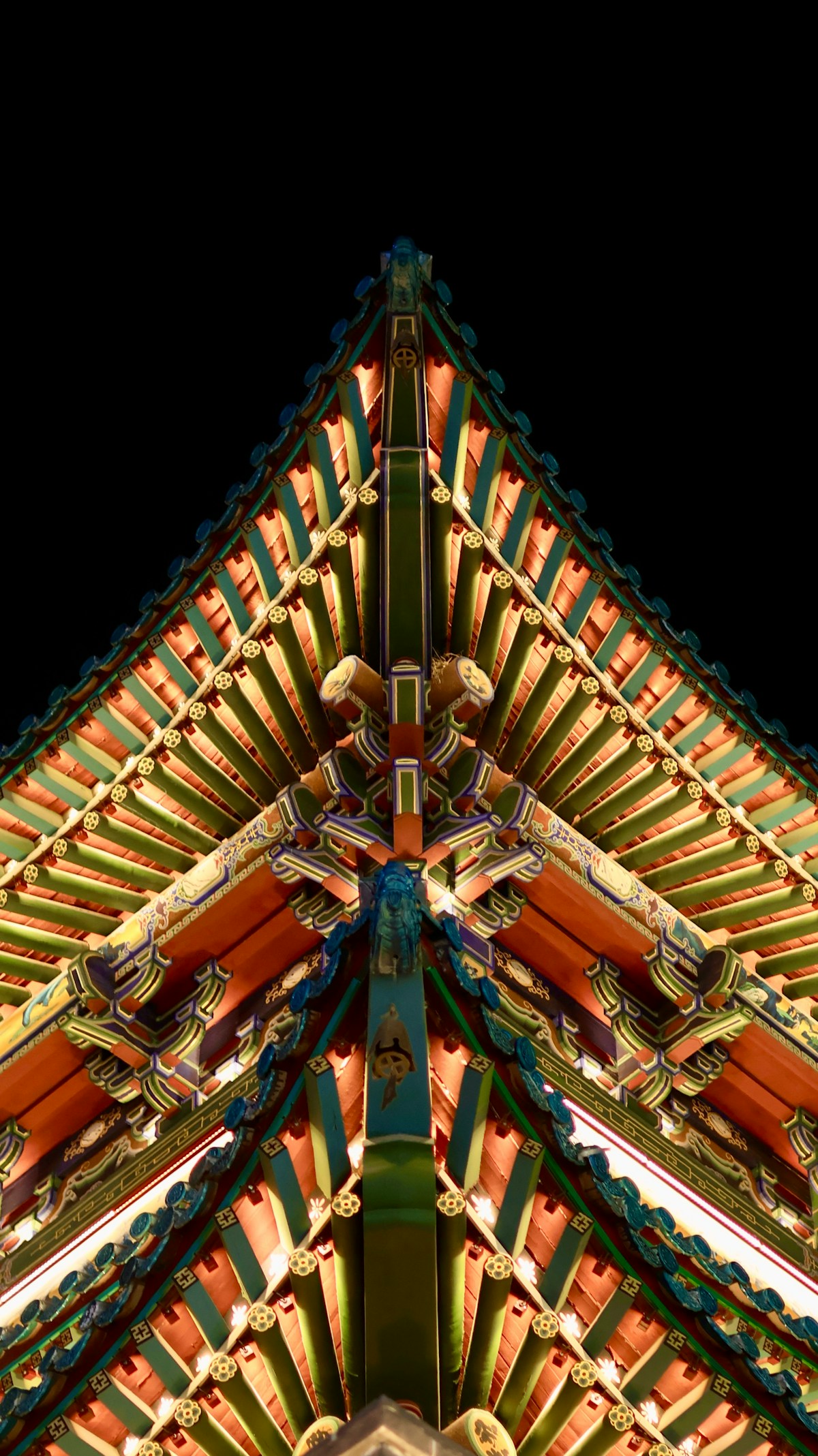
Seoraksan (설악산) is South Korea’s most visited and arguably most spectacular national park. The park’s defining feature is its exposed granite - the sharp ridgelines and bare rock faces of Daecheongbong (1,708m) and Ulsanbawi (873m) rise above dense broadleaf forest in a way that has no equivalent in the rest of the country. The park sits in Gangwon Province, straddling the border of Inje and Sokcho, about 3 hours from Seoul.
This guide focuses on Outer Seoraksan (외설악), which is the most accessible section from Sokcho and the area most foreign visitors explore.
Getting to Seoraksan
From Seoul:
- Express bus (Seoul Express Bus Terminal, Gangnam) to Sokcho: 2.5–3 hours, KRW 16,000–20,000 each way (approximately USD 12–15). Buses run roughly every 30 minutes from early morning.
- KTX to Gangneung (2 hours), then Sokcho intercity bus from Gangneung Express Bus Terminal (approximately 1 hour, KRW 4,000–6,000). Total journey: 3–3.5 hours.
- Private car: 3–4 hours via Expressway 60 to Sokcho. Parking at the main Seorakdong entrance: KRW 5,000 per day.
From Sokcho to the park: Local bus routes 7 and 7-1 run from Sokcho Bus Terminal to the Seorakdong entrance (main gate). Journey: approximately 30 minutes, KRW 1,400. Taxis from Sokcho: approximately KRW 12,000–16,000.
Park entry: Adults: KRW 3,500 (USD 2.60). Children: KRW 1,000. The ticket is for general entry to the park and covers all the trails below. Cable car, shelter huts, and guided permits are additional.
Trails: By Difficulty
Easy (1–3 hours)
Sinheungsa Temple Trail (신흥사) Distance: 1.8 km each way from the main gate | Elevation gain: Minimal The most accessible walk in the park. From the main entrance, a flat path leads along a stream through old-growth forest to Sinheungsa Temple - one of the oldest Buddhist temples in Korea (founded 7th century, current structure from 1648). The temple buildings are set against the park’s first major granite face. Free to walk; temple entry donation.
Bishondae Rock Trail (비선대) Distance: 3.2 km each way | Elevation gain: 120m | Time: 1.5 hours each way An extension of the Sinheungsa trail, continuing past the temple along the Cheonbuldong Valley to Bishondae - a large flat granite boulder beside a mountain stream with views of surrounding peaks. The most popular mid-difficulty walk in Outer Seoraksan. Return the same way or continue toward Madeung Pass for a harder option.
Moderate (3–6 hours)
Ulsanbawi Summit Trail (울산바위) Distance: 4 km each way | Elevation gain: 440m | Time: 2.5–3 hours each way Ulsanbawi is the park’s most photographed formation - a massive granite wall 873m high, visible from much of Outer Seoraksan. The trail climbs through forest, then ascends a metal staircase system bolted into the rock face for the final 800m of vertical gain. The summit plateau has 360-degree views across the park and toward the East Sea. Trail closes at varying hours depending on season - arrive early.
Entry note: The Ulsanbawi trail has had seasonal visitor caps. Check knps.or.kr before visiting during autumn peak (late September to early November).
Gwongeumseong Fortress (권금성) - via Cable Car Distance: Short walk from cable car top station | Elevation: 850m Take the Seoraksan cable car (KRW 16,000 return, adults, as of 2026) to the upper station, then walk 10 minutes to the Gwongeumseong Fortress ruins. The fortress was built in the Goryeo Dynasty for military use and offers panoramic views of the valley, the sea, and surrounding peaks without the effort of a full day hike. Good option for families or travellers with limited time.
Cable car operating hours: 08:00–18:00 in summer; 09:00–17:00 in winter. Check for seasonal variation at the park office on arrival.
Strenuous (Full Day)
Daecheongbong Summit - Osinchae Route (대청봉 오신채) Distance: 8.5 km each way | Elevation gain: 1,350m | Time: 5–6 hours up, 4–5 hours down Daecheongbong at 1,708m is the highest peak in Seoraksan and the third-highest in South Korea (after Hallasan and Jirisan). The Osinchae route is the standard approach from the main gate - a long, sustained climb through forest and onto exposed ridgeline for the final 2 km.
Permit required. Online reservation through reservation.knps.or.kr. The daily quota is limited to protect the trail from erosion damage - book at least a week in advance during autumn season. Cancellations are released the day before and can be nabbed with morning refreshes.
What to bring: At least 2 litres of water, high-energy food, crampons and spikes in winter, waterproof layer, trekking poles (useful on descent). The summit shelter (Jungcheong Shelter) at 1,500m is available for overnight stays - book the same way as the day permit.
Trail entry cutoff: 13:00 (no new trail entries after this time to prevent dark descents). This means you need to start by 07:30 at the absolute latest for a day return. 06:00 start recommended for a comfortable timeline.
Maebawi - Dinosaur Ridge Route (공룡능선) Distance: Varies by approach | Elevation: Demanding ridge traverse The Dinosaur Ridge is one of the most dramatic hiking experiences in the country - a narrow granite ridge connecting Seoraksan’s peaks with near-vertical drops on both sides. Not recommended for inexperienced hikers or those with a fear of heights. The traverse is typically done as a two-day route with an overnight stay at Bongjeongam Hermitage or the Jungcheong Shelter. Permit required, same system as above.
Seasonal Conditions
| Season | Conditions | Notes |
|---|---|---|
| Spring (Apr–May) | Cool, dry, azalea bloom | Best for wildflowers, fewer crowds |
| Summer (Jun–Aug) | Hot, humid, afternoon rain | Some trail closures during monsoon; check park website |
| Autumn (Sep–Nov) | Foliage peak late Oct | Highest crowds; book permits early |
| Winter (Dec–Feb) | Snow, ice, cold | Crampons required for summit trails; spectacular views |
The park is open year-round but some trails close for weather or ecological reasons. Always check knps.or.kr before a winter visit.
Where to Stay Near Seoraksan
Sokcho (30 minutes from the park) - the practical base. Affordable guesthouses and hotels cluster around Sokcho Bus Terminal and the waterfront area. Budget guesthouses from approximately KRW 40,000 (USD 30) per night; mid-range hotels KRW 80,000–130,000 (USD 59–96).
Seorakdong Village (at the park entrance) - several pensions and small hotels directly adjacent to the gate. Convenient for early starts. Prices run slightly higher than Sokcho - KRW 70,000–150,000 per night.
Jungcheong Mountain Shelter (inside the park at 1,500m) - dormitory bunk accommodation for summit trail hikers. Must be booked via the national park reservation system. Approximately KRW 11,000 per person per night (as of 2026).
Guided Hiking Tours
Independent hiking at Seoraksan is straightforward once at the trailhead, but the park’s trails are large enough that guides add value for the summit routes. A guided Seoraksan hiking day trip from Seoul handles transport from Seoul, park entry, and trail navigation - leaving the physical effort to you.
If you plan to visit in autumn, book permit slots immediately on deciding your travel dates. Autumn quota fills weeks in advance.