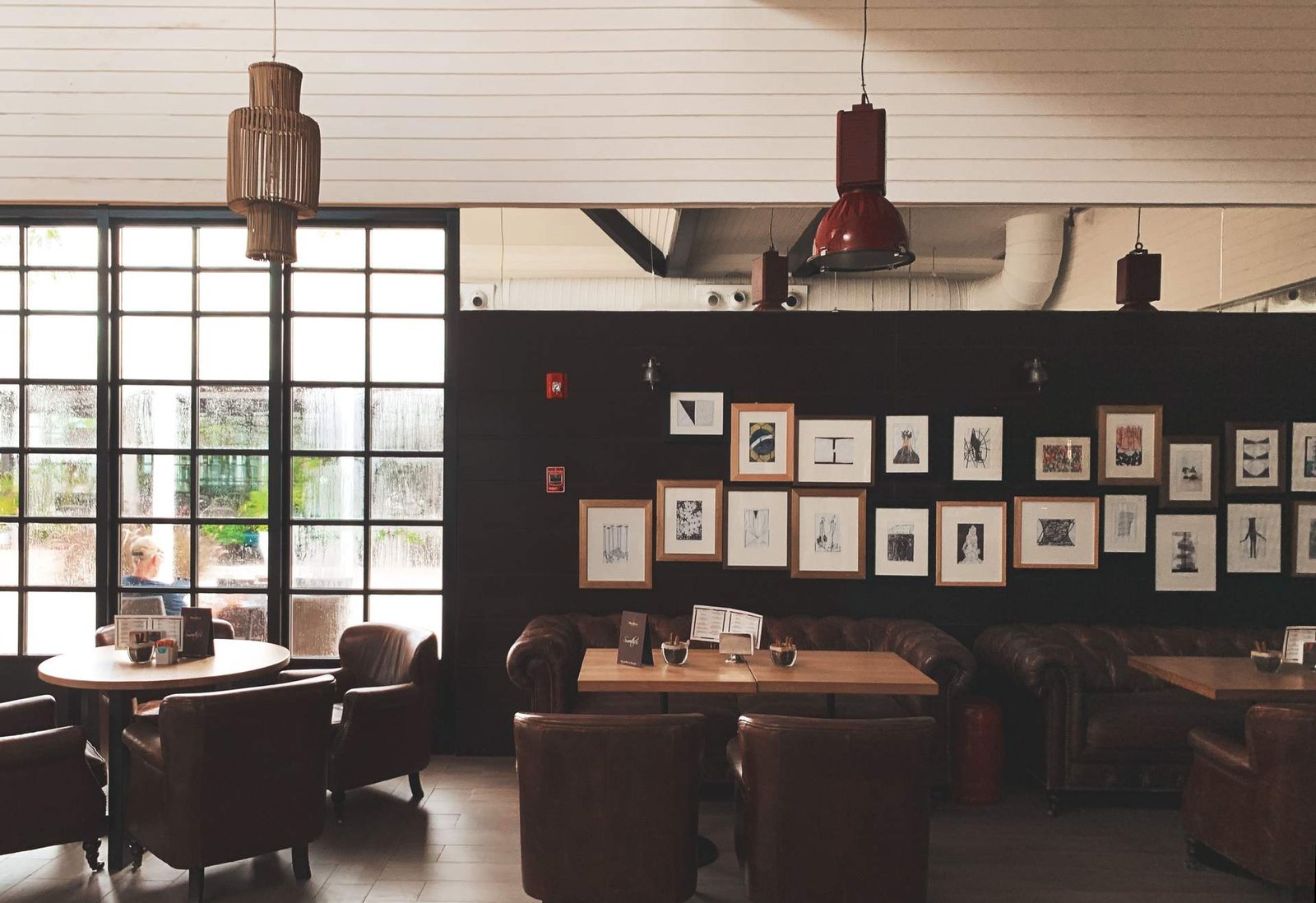
Seongsu-dong spent decades as Seoul’s leather-tanning and light-manufacturing district. The factories are mostly quiet now, but the bones of the neighbourhood - brick warehouses, corrugated-steel facades, and low-rise industrial blocks - remained intact while rents stayed low enough to attract a wave of independent cafe owners. What emerged is a cafe district unlike anywhere else in the city: pour-over bars inside repurposed tanneries, flat-white counters framed by exposed ventilation ducts, and rooftop terraces built on top of buildings that once housed cobbling workshops.
The transformation happened quickly. By the mid-2010s Seongsu had earned comparisons to Brooklyn and Shoreditch. By the early 2020s it had outgrown those comparisons and developed its own identity - one that is less about gentrification nostalgia and more about serious coffee taken seriously in spaces that are unapologetically industrial.
Cafe Onion Seongsu
Cafe Onion is the definitive Seongsu experience. The building is a 1970s factory that the owners stripped back to its raw state: cracked plaster walls, exposed brick, rough concrete floors, and high ceilings crossed by old ventilation pipes. They added long wooden benches, bare-bulb lighting, and a minimal coffee menu, and opened the rooftop for outdoor seating with views over the surrounding low-rise streets.
The signature drink is a powdered-sugar pastry - Pandoro dusted with a snowfall of icing sugar - which became one of the most photographed items in Seoul. Coffee-wise, the house flat white (KRW 7,000) is well-executed and the seasonal single-origin filter (KRW 9,000) is worth ordering if you are staying for a sit.
Onion opens at 08:00 on weekdays and 10:00 on weekends, closing at 22:00. There is almost always a queue in the early afternoon on weekends. Arriving before 10:30 or after 19:00 avoids the worst of it.
Fritz Coffee Company
Fritz is the coffee nerd’s first stop in Seongsu. It operates its own roastery on-site, which means the beans in your cup were roasted within walking distance of where you are sitting. The space is clean and functional rather than decorative - the focus is on the product rather than the Instagram angle. Baristas are trained to competition standard and will walk you through origin notes if you ask.
The filter flight (KRW 14,000 for two cups) lets you compare two single-origin coffees side by side. The espresso is tight and bright. A standard flat white costs KRW 7,500. Fritz also sells bags of their roasted beans to take home.
Hours: Tuesday to Sunday 08:00–19:00, closed Monday.
Pants Studio
Pants Studio occupies a former clothing factory and keeps the raw concrete shell entirely intact - no whitewash, no decorative patching. Exposed steel columns run through the centre of the space, and large industrial windows let in flat northern light that makes it popular with photographers. The coffee programme is straightforward: espresso-based drinks run KRW 6,000–8,000 and a small selection of seasonal pour-overs sits around KRW 9,000.
The space is quieter than Cafe Onion and draws more local regulars than tourists. There is no loud music and enough table space to work comfortably for an hour or two. Closes at 21:00 daily; opens at 10:00.
Daelim Warehouse
Daelim Warehouse is one of the largest cafe spaces in the district - a full industrial warehouse converted with minimal intervention. The scale of the space is striking: ceilings high enough to house a mezzanine level, a central brewing bar visible from every angle, and enough natural light through the freight-door windows to read without artificial lighting. The menu includes a house drip coffee (KRW 6,500), seasonal lattes (KRW 8,000–9,500), and a pastry selection that changes weekly.
On weekday mornings this is one of the less crowded options in Seongsu, making it a good choice if you want the warehouse aesthetic without the weekend queues. Open daily 10:00–21:00.
Getting to Seongsu
Seongsu Station (Line 2) is the entry point for the whole district. Exit 3 drops you closest to the main cafe cluster on Seongsu-ro. From Hongdae the journey takes around 25 minutes; from Insadong roughly 20 minutes. The neighbourhood is flat and compact - most cafes are within a 15-minute walk of the station.
Weekday mornings, particularly Tuesday through Thursday, offer the best combination of atmosphere and manageable crowds. Weekend afternoons bring long queues at the most-photographed spots, especially between 13:00 and 17:00. If your main goal is serious coffee rather than an aesthetic backdrop, mornings during the week let you actually talk to the baristas.
Practical Notes
Most Seongsu cafes accept card payment without a minimum spend. Wi-Fi is available in most spaces but is not always fast enough for video calls. There is no general time limit, but during peak weekend hours some places ask you to give up your seat after 90 minutes if the queue is long. Seating is almost entirely on the ground floor at street level, with occasional rooftop access that closes in heavy rain or wind.
The neighbourhood has excellent food options between cafe visits - the streets around Seongsu-ro have a strong brunch scene and a handful of good Korean lunch spots if you are planning a half-day visit.
Where to Stay
This page is part of our Seoul travel guide, and our guides to what to eat in Seoul and Ikseon-dong Cafes pair well with it.
Planning a trip around this? Browse hotels in Seoul on Booking.com and compare areas, prices and cancellation terms before you book.