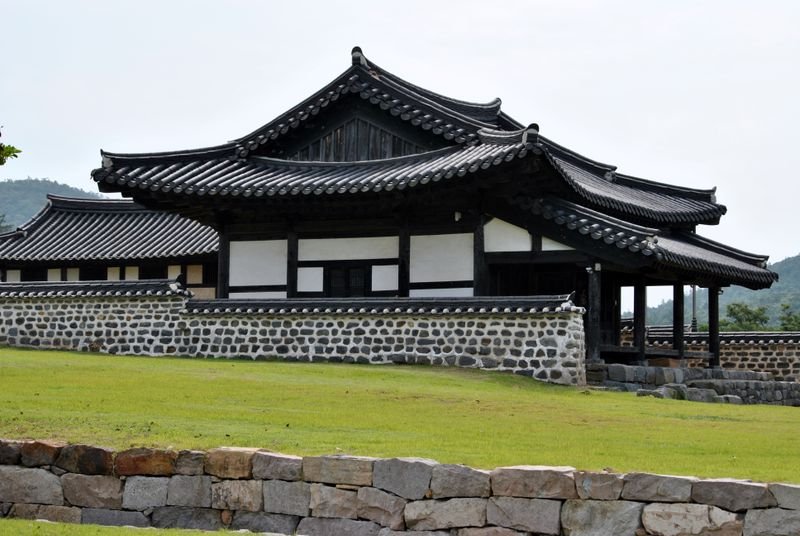
Gyeongju sits in the North Gyeongsang Province of South Korea with a thousand years of Silla Kingdom history visible at every turn - royal burial mounds in city parks, stone observatories by crossroads, and temple gates climbing forested hills. Sleeping in a hanok guesthouse here is not nostalgia-tourism for its own sake. The traditional wooden buildings in Gyeongju’s historic quarter sit within metres of the very ruins they were built alongside, and waking to the sound of a courtyard gate rather than a hotel corridor makes the connection between accommodation and history unusually direct.
What Makes Gyeongju Hanok Stays Different
Most cities with hanok guesthouse scenes - Seoul’s Bukchon, Jeonju’s Hanok Village - are primarily about experiencing the traditional lifestyle in a modern urban setting. In Gyeongju, the context is deeper. The Silla dynasty ruled Korea from this city for nearly a millennium, and the dense concentration of UNESCO World Heritage Sites in and around the city means that staying in the historic quarter puts you within walking distance of royal tombs, an ancient stone observatory, and a sacred forest grove - all remnants of a civilisation that shaped the Korean peninsula.
Hanok design itself carries that history. Ondol underfloor heating - channels carved beneath stone floors, originally fired with wood - dates back over two thousand years and remains a defining feature of Korean domestic architecture. In Gyeongju guesthouses, ondol is the norm, not a heritage novelty: the floors warm gradually through the evening and retain heat through cold nights without the dryness of forced-air heating systems. Sleeping low on a heated floor with paper-panelled doors filtering morning light is a fundamentally different physical experience from a hotel room, and in Gyeongju’s climate - cold winters, warm humid summers - it suits the city’s rhythms.
Some guesthouses in the Gyochon neighbourhood offer informal morning tea rituals, with the host preparing green tea or barley tea in the courtyard. It is rarely a formal ceremony in the Joseon court tradition, but the practice of sitting with tea in a tiled courtyard while the day begins is an unhurried counterpoint to the pace of heritage tourism.
The Best Neighbourhoods for Hanok Stays
Gyochon Traditional Village (교촌마을)
Gyochon is the most authentic hanok neighbourhood in central Gyeongju. The village occupies the block between the Gyerim sacred forest grove and the Namcheon stream, about a 12-minute walk east from Tumuli Park. The lanes are narrow, the buildings uniformly traditional in character, and the area retains something of its original residential atmosphere even during peak season.
The village is also the home of gyodong beopju, a traditional Korean rice wine produced according to a method listed as national intangible cultural heritage. A small number of producers still operate here, and some guesthouses can arrange tastings.
Hwangnam-dong (Near Tumuli Park)
The Hwangnam area - immediately east of the Daereungwon royal burial mounds - is where the density of hanok guesthouses is highest. It functions as the tourist accommodation core of old Gyeongju, with properties at every price tier sharing the same lanes as small cafes, bibimbap restaurants, and rice wine bars. The trade-off versus Gyochon is that Hwangnam is busier and less atmospheric on peak weekends; the advantage is proximity to Tumuli Park, Cheomseongdae Observatory, and Anapji Pond.
Specific Hanok Guesthouses to Book
Hwangnamguan Hanok Village
A larger hanok property in the Hwangnam neighbourhood with multiple traditional rooms arranged around a central courtyard. Family rooms are available, making it one of the few hanok options that comfortably accommodates four people. Private bathrooms and air conditioning are standard. The property is walking distance from Tumuli Park, and the owners have good knowledge of the local area.
Rates: approximately KRW 120,000–180,000 per night as of 2026.
Hanok Raon
A well-regarded guesthouse with ondol rooms in traditional style, garden space, and free WiFi throughout the property. Located close to Gyeongju Express Bus Terminal and approximately 15 minutes on foot from the main Tumuli Park entrance. Consistently rated for cleanliness and host helpfulness.
Rates: approximately KRW 90,000–130,000 per night as of 2026.
HanokInn
A small traditional inn in the central district, close to cafes, restaurants, and the main heritage sites on foot. Traditional Korean styling with modern facilities - the combination suits visitors who want the hanok atmosphere without sacrificing comfort. The city-centre location is convenient for evening visits to the illuminated Anapji Pond.
Rates: approximately KRW 85,000–120,000 per night as of 2026.
Soseoljae Guesthouse
A quieter, smaller property with a focus on the traditional experience - communal spaces, a wood-beamed central room, and simple private rooms with ondol floors. Less polished than Hwangnamguan but more characterful. Good option for travellers who want a genuine guesthouse stay over a boutique hotel experience.
Rates: approximately KRW 70,000–100,000 per night as of 2026.
Hanokstay Mokhwa
A hanok stay with a small garden and bar area, suited to visitors who want a social atmosphere alongside the traditional setting. The outdoor areas are particularly pleasant in spring and autumn. Breakfast is available at some seasons - confirm at booking.
Rates: approximately KRW 80,000–110,000 per night as of 2026.
Booking Tips
Use Korean platforms alongside international ones. Naver Hotels and Yanolja carry many small Gyeongju guesthouses that do not appear on Booking.com or Airbnb. For the most complete picture of availability, check both.
Confirm ondol room type. Most hanok guesthouses have a mix of traditional ondol floor rooms and a smaller number of rooms with beds. If the ondol floor experience is central to why you chose a hanok stay, specify when booking - some smaller properties substitute a Western room during peak periods without flagging it clearly.
Autumn is the peak of peak. Gyeongju’s maple and ginkgo foliage in late October to mid-November draws large numbers of domestic Korean visitors. Many guesthouses in the Hwangnam and Gyochon areas enforce strict no-cancellation policies for this window. Read the terms carefully before confirming.
Arrive early in the evening. Hanok guesthouses are typically owner-operated, without front desk coverage through the night. Contact the host in advance if you are arriving after 9pm - most accommodate this with prior notice, but it is not assumed.
Breakfast. A small number of guesthouses include a simple Korean breakfast (rice, kimchi, soup) in the rate. This is genuinely worthwhile in Gyeongju where the historic quarter has fewer early-morning food options than Seoul. Confirm at booking rather than assuming.
What to Do Nearby
From a hanok guesthouse in the Hwangnam or Gyochon area, the core Gyeongju heritage circuit is walkable:
- Daereungwon Tumuli Park - the royal burial mound complex, open from 9am, uncrowded before 10am. Entry approximately KRW 3,000 as of 2026.
- Cheomseongdae Observatory - the 7th-century stone observatory, a 12-minute walk from Gyochon village.
- Gyerim Sacred Forest - a small grove bordering Gyochon, historically significant as the founding site of the Gyeongju Kim clan. Free to enter.
- Anapji (Donggung Palace and Wolji Pond) - dramatically lit at night, 15 minutes on foot from the Hwangnam guesthouses. The evening visit is one of the best experiences in Gyeongju; combine it with dinner in the nearby streets.
- Gyeongju National Museum - a 20-minute walk, holding the largest collection of Silla-era artefacts in Korea. Free entry.
- Namsan Mountain trails - an hour’s walk south from the historic core, with Buddhist rock carvings and pagodas scattered across the hillside.
For organised heritage experiences - guided temple history walks, evening Anapji Pond tours, Bulguksa Temple trips - book in advance through GetYourGuide Gyeongju tours.
For the broader picture of accommodation options including the Bomun Lake resort hotels, see our Gyeongju where to stay guide.
This page is part of our Gyeongju travel guide, and our guides to day trips from Gyeongju and what to eat in Gyeongju pair well with it.