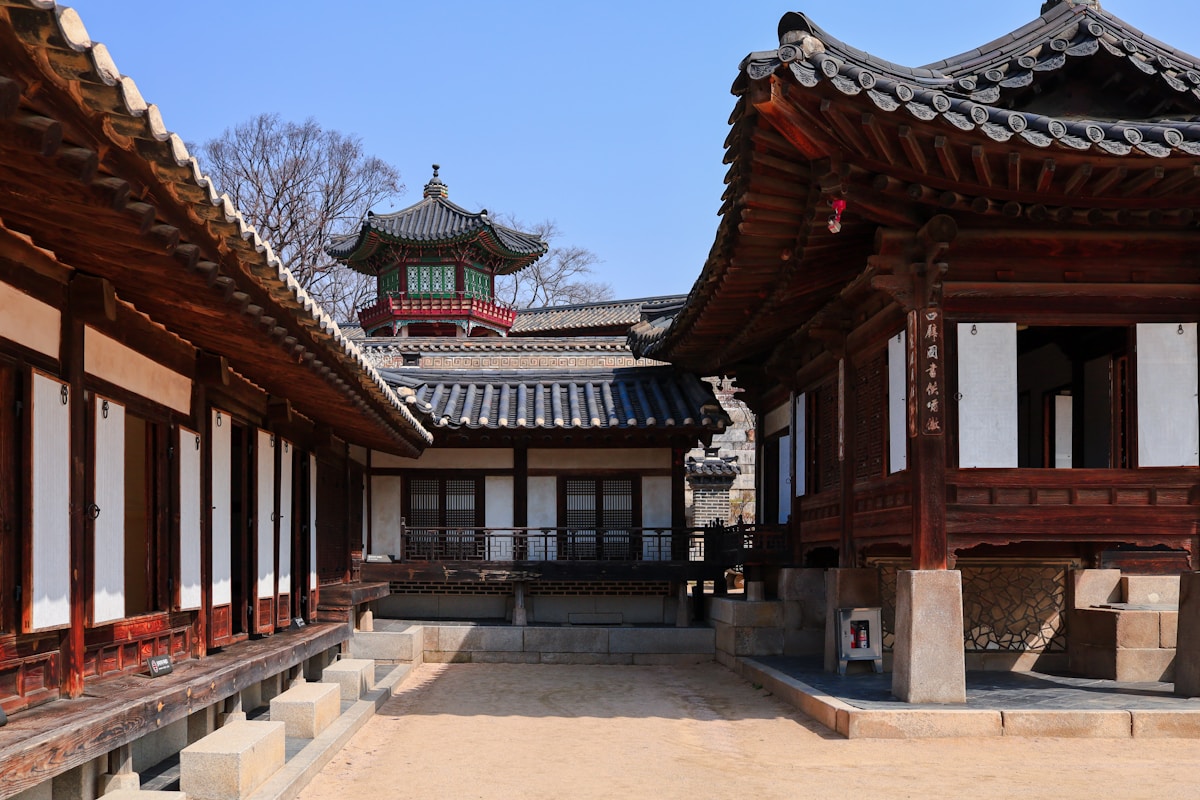
Gyeongju’s accommodation market is small compared to Seoul or Busan - it is a heritage city of around 260,000 people, and the accommodation options reflect that scale. The top properties at Bomun Lake compete on facilities with comparable hotels in any Korean city; the hanok guesthouses in the historic core compete on character and location. The budget options near the station are functional rather than atmospheric.
Best Areas to Stay in Gyeongju
Gyeongju’s main accommodation zones have genuinely different characters. The historic core near Tumuli Park is walkable to the main sites. The Bomun Lake resort area has better-equipped hotels but requires transport to reach the heritage attractions. Budget options cluster near Gyeongju Station.
Historic Core (Hwangnam-dong and Tumuli Park Area)
Best for: History-focused visitors who want to walk to the sites without transport.
The streets immediately around Tumuli Park - particularly Hwangnam-dong and the lanes running south toward Cheomseongdae - have the highest concentration of small guesthouses, pension-style accommodation, and hanok stays in the city.
From accommodation in this area you can walk to:
- Daereungwon Tumuli Park in 5–10 minutes
- Cheomseongdae Observatory in 10–15 minutes
- Anapji Pond in 15–20 minutes
- Gyeongju National Museum in 15–20 minutes
Typical pricing (as of 2026):
- Hanok guesthouses: KRW 80,000–150,000 per night
- Pension-style guesthouses: KRW 60,000–100,000 per night
Hanok stays in the historic core are the distinctive choice for Gyeongju - several families have converted older homes into guesthouses. The buildings are traditional Korean wooden structures with ondol underfloor heating and paper-panelled rooms. Advance booking is essential for spring (March–May) cherry blossom season and autumn.
Near Gyeongju Station (Singyeongju / Old Station Area)
Best for: Arrivals by train, budget accommodation, transport connections.
There are two Gyeongju train stations. Singyeongju Station (the KTX station, approximately 8 km west of the city centre) is served by high-speed trains from Seoul and Busan - most intercity visitors arrive here. The immediate area around the station is suburban; a bus or taxi into the historic core takes 20–25 minutes.
Gyeongju Station (the old local train station, in the city centre near the bus terminal) is closer to the heritage sites. Budget accommodation - yeogwan guesthouses and business motels - clusters around this station.
Typical pricing near Gyeongju Station (as of 2026):
- Yeogwan guesthouses: KRW 40,000–65,000 per night
- Budget motels: KRW 50,000–80,000 per night
Bomun Lake Resort Area
Best for: Families, longer stays, resort facilities.
Bomun Lake is about 4 km east of central Gyeongju - a purpose-built tourism zone developed in the 1970s around an artificial lake. It has several large hotels, a folk craft village, a waterpark (open in summer), and resort facilities. The setting is green and quiet.
Reaching the heritage sites requires a taxi (approximately KRW 8,000–12,000 one way) or the infrequent local bus. The upside: larger room sizes, swimming pools, and lake views are genuinely appealing.
Typical pricing at Bomun Lake (as of 2026):
- Mid-range hotels (Commodore, Hilton): KRW 150,000–280,000 per night
- Luxury properties: KRW 280,000–400,000+ per night
Hanok Stays Near Bulguksa
Bulguksa Temple is 15 km from central Gyeongju in the Toham Mountain area. A small number of hanok guesthouses have opened in the villages near Bulguksa for visitors who want to be close to the temple for early morning access. The surrounding area is quiet and rural with limited restaurant options; suitable for visitors making Bulguksa a central focus.
Typical pricing (as of 2026): KRW 80,000–140,000 per night
Luxury (KRW 200,000–400,000+ per night)
W Gyeongju - Bomun Lake
Marriott’s W brand brings contemporary design and a younger energy to the Bomun resort zone. Stylish rooms, an excellent pool and bar concept, and a sharper design vocabulary than the area’s older resorts. The best option for visitors who want luxury facilities with a modern aesthetic rather than the classic resort feel.
Rates from approximately KRW 350,000–700,000 per night as of 2026.
Gyeongju Chosun Hotel - Bomun Lake
One of the original grande dames of Gyeongju hospitality, set on landscaped grounds with mature trees and a sense of quiet grandeur. The rooms have been renovated and the property continues to draw visitors seeking a classic Korean resort experience. Multiple restaurants, a pool, and golf course access.
Rates from approximately KRW 280,000–550,000 per night as of 2026.
Blaze Hotel Gyeongju - Bomun Lake
A newer luxury boutique option with strong interior design and a smaller, more intimate scale than the major resort chains. Restaurant quality is a highlight. Good for travellers who want Bomun Lake convenience without the scale of the Hilton or Chosun.
Rates from approximately KRW 300,000–600,000 per night as of 2026.
Hilton Gyeongju
The Hilton Gyeongju is the best-equipped hotel in Gyeongju, situated on the northern edge of Bomun Lake. Opened in 2014, the Hilton has maintained consistent service standards and offers the most complete resort facilities in the city: two outdoor pools, a spa, gym, and multiple dining venues. Rooms are modern and well-maintained. Lake and mountain views from the upper floors are excellent.
The location at Bomun Lake means a taxi or bus ride to the historic core - approximately KRW 8,000–12,000 by taxi and 20–25 minutes. This is the standard trade-off for resort-quality accommodation in Gyeongju.
Typical rates: approximately KRW 250,000–380,000 per night as of 2026, with higher rates during spring cherry blossom season and Korean public holidays.
Commodore Hotel Gyeongju
The Commodore Hotel Gyeongju is an older establishment at Bomun Lake, predating the Hilton and with a different character - slightly more traditional, less slickly modern, and with a longer history of hosting domestic Korean guests. The facilities are good but not at the Hilton’s standard.
Typical rates: approximately KRW 180,000–280,000 per night as of 2026.
Gyeongju Hyundai Hotel
The Gyeongju Hyundai Hotel is a larger hotel also in the Bomun Lake resort zone, owned by the Hyundai group. Suits corporate travellers and larger groups. Facilities include convention spaces alongside standard hotel amenities.
Typical rates: approximately KRW 160,000–260,000 per night as of 2026.
Mid-Range (KRW 80,000–200,000 per night)
The Suites Hotel Gyeongju - Bomun Lake
The Suites Hotel Gyeongju is a modern mid-range option in the Bomun resort zone, with lake views from upper floors, a restaurant, and cleaner, more contemporary interiors than many Gyeongju competitors.
Rates from approximately KRW 120,000–220,000 per night as of 2026.
Hotel Concorde Gyeongju - Bomun Lake
A solid mid-range property with indoor and outdoor pools, a spa, and lakeside views. The facilities make it competitive at this price tier - a good alternative to the Hilton for visitors who want resort facilities at a lower price.
Rates from approximately KRW 110,000–200,000 per night as of 2026.
Hanok Guesthouses Near Tumuli Park
The most characterful mid-range option in Gyeongju is a family-run hanok guesthouse in the historic core. Several operate in the Hwangnam-dong area (directly adjacent to Tumuli Park) and in the surrounding streets.
What to expect:
- Traditional wooden buildings with ondol underfloor heating and heated floors
- Paper-panelled rooms (hanji) with sleeping mats rather than Western-style beds in most properties
- Shared or simple en-suite bathrooms
- Breakfast sometimes included - confirm at booking
Notable options:
- Hwangnam Hanok Guesthouse - a well-regarded family-run property near the south entrance of Tumuli Park, with traditional rooms around a courtyard. Rates approximately KRW 90,000–130,000 per night as of 2026.
- Gyeongju Hanok Guesthouse - a small property near Cheomseongdae Observatory with rooms in traditional style. Rates approximately KRW 80,000–120,000 per night as of 2026.
These properties typically do not appear on major international booking engines - search Korean accommodation platforms (Naver Hotels, Yanolja) or contact directly via the Korean Tourism Organization’s listing.
Business Hotels Near Gyeongju Station
Standard Korean business hotels in the area around Gyeongju’s old local train station. Rooms are typically small (Korean business hotel standard), clean, and equipped with good Wi-Fi. The location is central for restaurants and convenience stores, and buses to Tumuli Park are a short ride.
Typical rates: approximately KRW 80,000–130,000 per night as of 2026.
Budget (KRW 40,000–80,000 per night)
Hwangnam Guesthouse - City Centre
A clean, modest guesthouse within walking distance of Tumuli Park and Cheomseongdae. Simple private rooms, a small common area, and hosts with solid local knowledge.
Rates from approximately KRW 35,000–65,000 per night as of 2026.
Gyeongju Youth Hostel - Near Bulguksa
One of the few budget options with genuine proximity to Bulguksa Temple. Dormitory beds and basic private rooms, with early morning temple access as the main draw.
Rates from approximately KRW 20,000–50,000 per night as of 2026.
Bomun Guesthouse - Bomun Lake
A small, affordable guesthouse in the lake resort zone. Rooms are basic but the lakeside setting is pleasant, particularly in spring and autumn.
Rates from approximately KRW 40,000–80,000 per night as of 2026.
Sarangchae Guest House - City Centre
A traditional-style guesthouse near the historic centre, with simple Korean furnishings and a quiet inner courtyard. Popular with domestic visitors looking for a Gyeongju experience without paying hanok premium prices.
Rates from approximately KRW 45,000–75,000 per night as of 2026.
Yeogwan Guesthouses Near Gyeongju Station
Korean-style guesthouses (yeogwan) in the streets around the old Gyeongju Station. These are basic but clean - private rooms with a TV and en-suite shower, minimal decor, and no breakfast. They function primarily as budget overnight stops for Korean domestic travellers.
Typical rates: approximately KRW 40,000–65,000 per night as of 2026.
For visitors on a tight budget, this area makes practical sense - you are close to the bus terminal, within cycling distance of the main heritage sites, and have restaurants and convenience stores immediately around you.
Pension Near Bulguksa
A small number of basic pensions operate in the village area near Bulguksa Temple (15 km from central Gyeongju). These are primarily used by visitors who want early morning access to the temple before day-trip crowds arrive.
Typical rates: approximately KRW 60,000–100,000 per night as of 2026.
Booking Advice
Spring (early April - cherry blossoms): The busiest period for Gyeongju accommodation. The cherry blossoms along the Bomun Lake circuit road and the Gyeongju stream are a major draw. Book 4–6 weeks ahead for the historic core; properties at Bomun Lake may need 6–8 weeks lead time in peak years.
Chuseok (Korean Harvest Festival, September): One of the busiest periods of the year for domestic travel. Gyeongju specifically attracts visitors with ancestral connections to the Silla period. Book months ahead if your dates overlap.
Off-season advantages: November through February (excluding Seollal) is the quietest period. Rates at mid-range and luxury properties drop noticeably and availability is rarely an issue. The heritage sites are significantly less crowded.
Weekdays vs weekends: Gyeongju is heavily day-tripper-oriented on weekends, particularly from Busan (1 hour away). Midweek visits are significantly quieter and prices at smaller guesthouses may be negotiated.
Cancellation policies: Korean guesthouses and smaller pensions often have strict no-cancellation policies for peak-season bookings. Read the terms before confirming, particularly for spring and autumn dates.
For cultural tours and Gyeongju heritage experiences including Bulguksa temple stays, guide-led history walks, and evening Anapji Pond visits, advance booking is recommended.