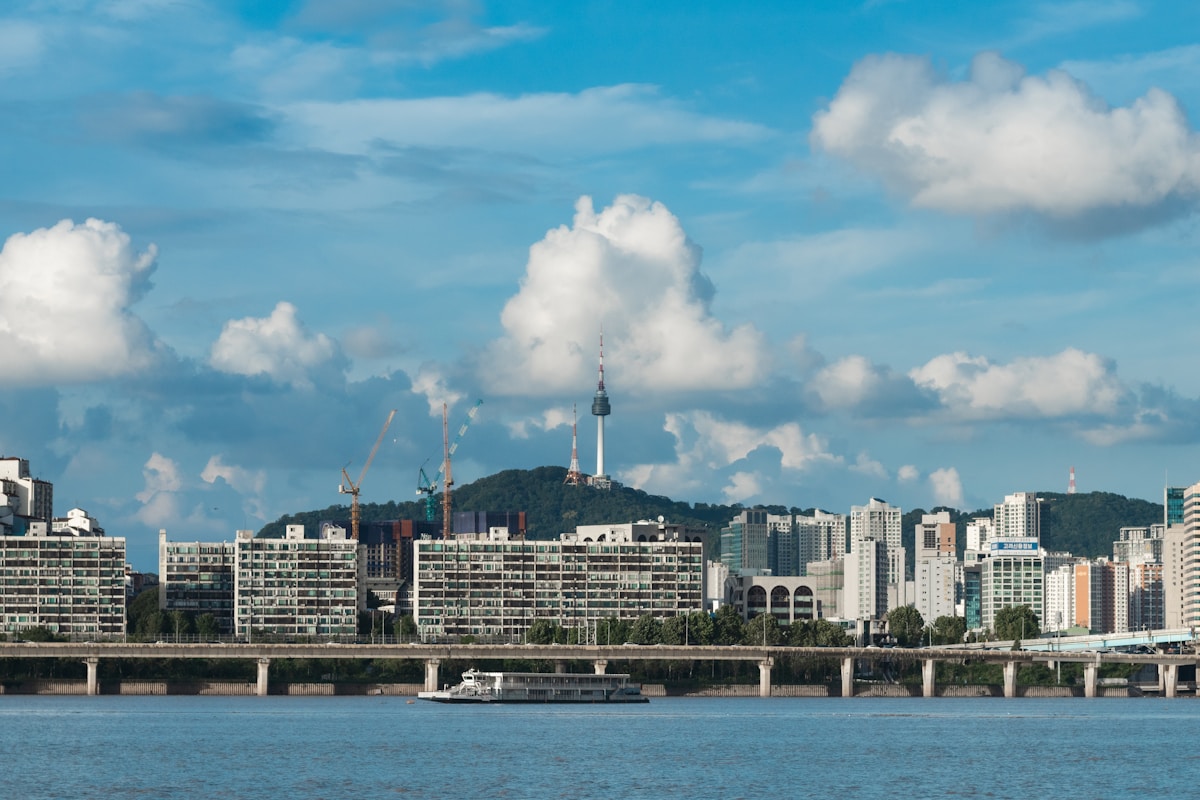
Japan is everyone’s first answer when asked about Asia travel. South Korea, despite being equally safe, equally infrastructure-rich, and increasingly culturally dominant, remains underrated by Western travellers. That gap is closing fast - and if you’re deciding between the two, Korea deserves a more honest case than it typically gets.
Quick Verdict
| Category | South Korea Wins | Japan Wins |
|---|---|---|
| Value for money | Yes | - |
| K-culture immersion | Yes | - |
| Street food | Yes | - |
| Nightlife | Yes | - |
| Compact itinerary (under 2 weeks) | Yes | - |
| DMZ experience (unique geopolitics) | Yes | - |
| Bucket list density | - | Yes |
| Food refinement | - | Yes |
| Shinkansen experience | - | Yes |
| Ancient temple culture | - | Yes |
South Korea wins for value, immediacy, cultural relevance in 2026, and satisfying shorter trips. Japan wins for sheer bucket-list density, food depth, and experiences you genuinely cannot find elsewhere.
Climate and Best Time to Visit
South Korea runs hot and humid in summer, cold in winter, with two ideal windows:
Spring (late March–May) is peak season - cherry blossoms bloom from late March in Jeju and move north through Seoul by early April. This is Korea’s most photogenic period, and Yeouido Cherry Blossom Festival in Seoul draws enormous crowds.
Autumn (October–November) is arguably the better-kept secret - foliage in Seoraksan National Park (Sokcho) and Naejangsan turns brilliant red and orange, the weather is dry and comfortable, and crowds are thinner than spring.
Japan follows a nearly identical seasonal calendar, with cherry blossoms and autumn foliage as the twin peaks. The practical difference: Korea’s spring can feel slightly less crowded because Japan attracts far more international visitors overall. If spring crowds are a concern, Korea’s blooms feel less frantic outside central Seoul.
Cost Comparison
South Korea consistently undercuts Japan across every spending category.
| Expense | South Korea | Japan |
|---|---|---|
| Hostel dorm | USD 18–28 | USD 25–45 |
| Mid-range hotel | USD 70–130 | USD 100–180 |
| Street food meal | USD 4–8 | USD 6–12 |
| Restaurant dinner | USD 15–35 | USD 20–50 |
| Seoul–Busan KTX | USD 40–50 | - |
| Tokyo–Kyoto shinkansen | - | USD 85–100 |
| Daily budget | USD 60–90 | USD 80–120 |
The gap widens on transport. South Korea’s KTX high-speed rail connects Seoul to Busan in 2 hours 10 minutes for approximately KRW 60,000 (around USD 45 as of 2026). Japan’s equivalent - Tokyo to Kyoto by Nozomi shinkansen - costs approximately ¥14,000 (around USD 90 as of 2026), nearly double for a comparable city-to-city journey relative to country size.
Seoul accommodation has also become more competitive with platforms like Airbnb expanding the mid-range. A clean guesthouse in Hongdae or Insadong costs approximately KRW 50,000–80,000 per night (as of 2026).
Top Experiences and Highlights
Seoul
Seoul is one of Asia’s most dynamic cities, simultaneously ancient and aggressively modern. Gyeongbok Palace - the main Joseon-dynasty royal palace - sits in the centre of the city and is surrounded by skyscrapers. Entry costs approximately KRW 3,000 (as of 2026). Wearing a rented hanbok (KRW 15,000–25,000 for 2 hours) gives you free entry and the best photo opportunities.
Bukchon Hanok Village is a preserved neighbourhood of traditional hanok houses on the ridge between Gyeongbok and Changdeok palaces - one of Seoul’s most atmospheric corners, best visited early morning before tour groups arrive. Dongdaemun Design Plaza (DDP), designed by Zaha Hadid, is the contemporary counterpoint - a flowing, space-age structure hosting design exhibitions and late-night shopping.
Nightlife in Hongdae (university district, live music and clubs), Itaewon (international bars and restaurants), and Gangnam (upscale cocktail bars) runs later and louder than anything Tokyo offers. Korea’s drinking culture - pojangmacha (covered street stalls) with soju and dried squid - is a world unto itself.
The DMZ: Korea’s Unmissable Geopolitical Experience
No other place on Earth offers what the Demilitarized Zone does - a live, active border between two countries technically still at war, frozen in 1953. Guided tours from Seoul depart daily and range from basic DMZ visits (approximately KRW 40,000 as of 2026) to JSA (Joint Security Area) tours that include the blue conference huts straddling the actual border (approximately KRW 100,000, requires advance booking and passport).
The Dora Observatory and Dorasan Station - the southernmost station on Korea’s rail network, with a timetable board that lists Pyongyang as a destination - are among the most surreal travel experiences available anywhere. Japan offers nothing comparable.
Gyeongju
Gyeongju is the former capital of the Silla Kingdom (57 BCE–935 CE) and is sometimes called Korea’s cultural museum. The city is dotted with burial mounds (tumuli) that rise from ordinary city blocks, Buddhist temples carved into cliff faces, and UNESCO World Heritage Sites. Bulguksa Temple (entry approximately KRW 6,000 as of 2026) and the Seokguram Grotto (KRW 5,000) are both half-day visits worth making.
Gyeongju is approximately 2.5 hours from Seoul by KTX and pairs well with a night in Busan.
Jeju Island
Jeju is South Korea’s Hawaii - a volcanic island 90 minutes by plane (from approximately KRW 50,000 one way as of 2026) or 4.5 hours by ferry from the mainland. Hallasan, the dormant shield volcano at 1,950m, is the country’s highest peak and can be summited in a full-day hike. The Manjanggul Lava Tube (entry KRW 4,000) is one of the world’s longest lava tubes. Jeju’s black lava coastline, haenyeo (female divers) culture, and orange tangerine farms are unlike anything on the Korean mainland.
This is Korea’s key structural advantage over Japan for short trips: the country’s best beach/island destination is still in South Korea. In Japan, reaching Okinawa from Tokyo requires a 2-hour flight and adds significant cost.
Busan
Busan is South Korea’s second city and, for many visitors, the more immediately loveable one. Gamcheon Culture Village (a hillside maze of painted houses, entry KRW 1,000) is the city’s most photographed neighbourhood. Haeundae Beach is Korea’s most famous stretch of sand. Jagalchi Fish Market - the country’s largest seafood market - opens at dawn with live fish tanks and second-floor restaurants serving the morning’s catch. A raw fish meal (hoe) costs approximately KRW 30,000–50,000 per person.
Food and Drink
Korean food is built for groups. Samgyeopsal (grilled pork belly) is a social ritual - you grill at the table, wrap meat in lettuce with ssamjang paste and garlic, and eat alongside soju shots. A full BBQ dinner for two costs approximately KRW 30,000–50,000 including side dishes (banchan, which are unlimited refills).
Tteokbokki (spicy rice cakes in gochujang sauce) is Korea’s definitive street food - cheap, everywhere, and addictive. Korean fried chicken - double-fried for maximum crispness, available in soy-garlic, spicy, or original - has established a global following for good reason. Chimaek (chicken + maekju/beer) is the national comfort ritual. A half chicken from a good delivery chain in Hongdae runs approximately KRW 18,000–22,000.
Gwangjang Market in Jongno is mandatory: bindaetteok (mung bean pancakes, approximately KRW 4,000–6,000), mayak gimbap (bite-sized sesame rice rolls), and raw skate fish are all on offer from grandmothers who have worked the same stall for decades.
Japan’s food has more refinement and greater international prestige. But Korean food has more fun.
K-Culture: Why Korea Wins in 2026
The hallyu (Korean wave) is not a niche phenomenon. BTS, BLACKPINK, Stray Kids, NewJeans, and aespa collectively have hundreds of millions of followers globally. Squid Game, Parasite, My Mister, and Crash Landing on You have established Korean storytelling at the top of global streaming. The cultural pull on younger travellers is enormous.
Seoul has built infrastructure around this interest. SMTOWN COEX Artium houses a K-pop museum and retail floor. Hybe Insight (the BTS label’s museum in Yongsan) opens for tours approximately KRW 22,000. K-pop idol cafés, album cover filming locations, and production studio tours are growing industries.
Japan’s pop culture influence - anime, Nintendo, Studio Ghibli - is deeper historically but feels slightly less immediate in 2026. Korea is where the global cultural energy is right now.
Transport
South Korea’s KTX network connects Seoul to every major city efficiently and affordably. The T-money card covers subway, city bus, and KTX (for shorter routes), making navigation frictionless. Seoul’s subway system has 9 lines and English signage throughout.
Japan’s shinkansen is a more iconic travel experience - the Nozomi from Tokyo to Kyoto at 285 km/h, with Mount Fuji visible from the right-side window, is genuinely thrilling. But it costs nearly double the Korean equivalent per km and requires the Japan Rail Pass investment to remain value-positive on multi-city itineraries.
Who Should Choose Each?
Choose South Korea if you:
- Have 7–14 days and want to feel satisfied rather than rushed
- Are interested in K-pop, K-drama, Korean cinema, or beauty culture
- Want to eat well on a moderate budget
- Want to experience a unique geopolitical landmark (the DMZ)
- Are combining with Southeast Asia rather than China or Mongolia
Choose Japan if you:
- Have 3+ weeks and want to go deep
- Want iconic bucket-list experiences (shinkansen, Fuji, Kyoto geisha districts, onsen)
- Prioritise food refinement and dining rituals
- Are drawn to Buddhist temple culture and traditional arts
Final Verdict
Japan is the more famous answer, and the bucket-list experiences are real. But South Korea is the better first Asia trip for most travellers in 2026 - it delivers an extraordinary city (Seoul), a unique geopolitical experience (DMZ), excellent island escapes (Jeju), and a food culture that rivals anywhere on Earth, all at 20–30% less cost than Japan.
Korea surprises people. That’s its superpower.
Visit Korea first if your timeline is tight. Visit Japan when you can give it the time it deserves. Do both - they’re 2 hours apart by flight and together make for one of the world’s best two-country itineraries.
Search for cheap flights to South Korea with Aviasales.
Compare travel insurance with EKTA before you book.
Start Planning South Korea
- South Korea Food Guide - regional dishes, street food, and what to eat where
- First Time in South Korea - arriving, getting around, etiquette, and connectivity
- 1 Week South Korea Itinerary - Seoul, Gyeongju, and Busan in seven days
Plan Your Trip
✈️ Book your flights to South Korea 🛡️ Get travel insurance 📱 Stay connected with an eSIM 🚗 Rent a car