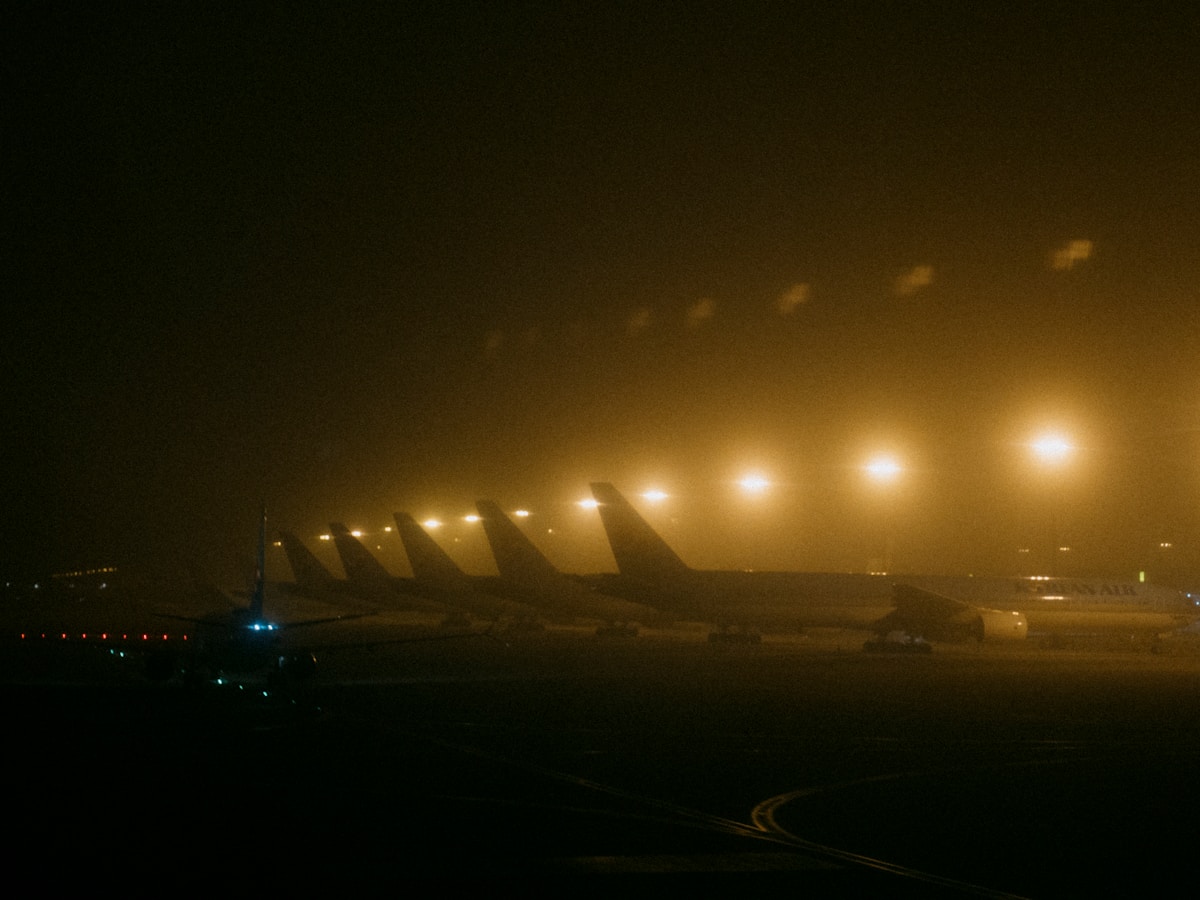
South Korea and China have agreed to expand their bilateral passenger flight rights for the first time in seven years, increasing weekly services from 608 to 664 scheduled flights and cargo flights from 54 to 68 per week. The deal is one of the most significant aviation agreements in Northeast Asia this year and comes as South Korea is recording its highest-ever tourism figures in the first quarter of 2026.
China remains South Korea’s largest visitor market, contributing 1.45 million arrivals in the first three months of 2026. The expanded flight agreement gives both sides more capacity to sustain that growth through the summer season, with airlines expected to launch new routes or increase frequencies between secondary Chinese cities and regional South Korean airports outside of Seoul.
What it means for travellers
The additional 56 weekly passenger flights will be distributed across multiple carriers and city pairs. Travellers connecting between China and South Korea will benefit from more scheduling options, reduced fares on competitive routes, and better availability during peak travel windows such as China’s Golden Week in October.
For international visitors flying into South Korea from other origins, the expansion also has an indirect benefit: increased inbound capacity from China’s market reduces pressure on the visa processing and airport management systems at Incheon, which has been handling record volumes in 2026. South Korea welcomed 4.76 million foreign tourists in Q1 2026 - the highest first-quarter figure in the country’s history, up 23% year-on-year.
Entry requirements update
Travellers from 67 countries and territories, including the United States, Canada, Australia, and the majority of EU member states, remain exempt from the K-ETA electronic travel authorisation requirement until 31 December 2026. From 1 January 2027, K-ETA will be required for all eligible visa-free nationalities. Exempt travellers in 2026 must instead complete the e-Arrival Card online at e-arrivalcard.go.kr up to three days before landing.
Where visitor numbers are going
Busan and Jeju are seeing the strongest regional growth outside the capital. Travel through regional airports has grown nearly 50% year-on-year in 2026, driven partly by the Chinese and Taiwanese visitor surge, and partly by travellers deliberately routing through the country’s secondary cities for their food scenes, historic sites, and lower costs compared with Seoul. Our flights to South Korea guide has current information on carriers serving the main international gateways.