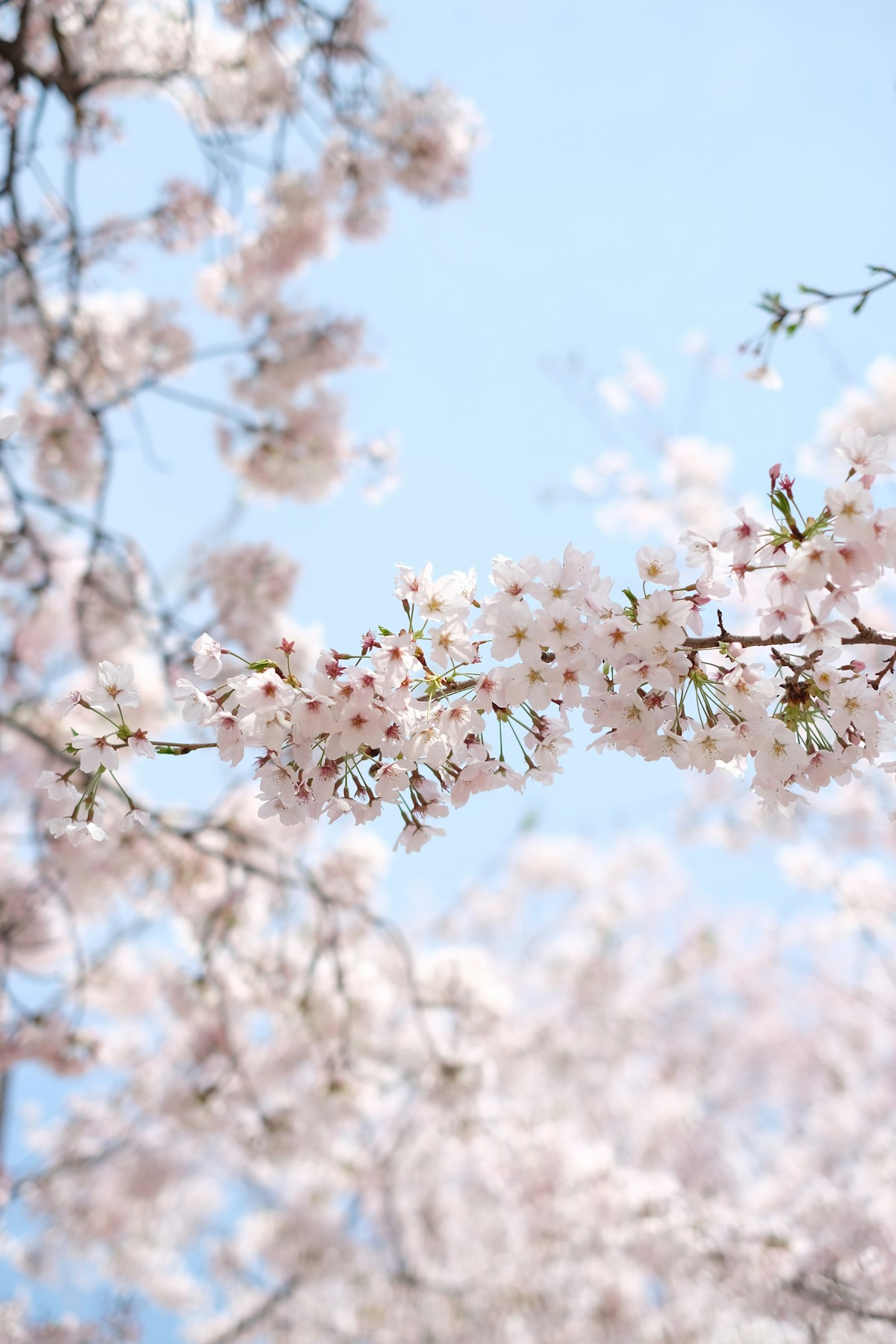
Cherry blossom season is South Korea’s most searched travel window — and for good reason. The bloom is genuinely spectacular, and it is genuinely short: peak colour lasts just 7–10 days before rain or wind strips the petals. Guided tours remove the planning burden and get you to the right locations at the right times, which matters enormously when your window is that narrow.
These are the best tour options for the 2027 season, organised by destination.
Seoul Cherry Blossom Tours
Seoul has multiple blossom spots spread across a large city. Guided walks concentrate the experience into two to three hours at the best locations, with a local guide providing context about the history of the parks and the cultural significance of the season.
What to book: Walking tours covering Yeouido Park and the Han River promenade are the most popular — the kilometre-long boulevard along Yunjung-ro lined with Yoshino cherries is the defining Seoul blossom image. Some tours extend to Seokchon Lake in Songpa (a 40-minute metro ride, but the reflection views on the water are among the best in the city) or Changgyeonggung Palace, where night blossom viewings run during peak week.
Getting the timing right: Seoul typically reaches peak bloom in the first week of April. Book tours for April 3–9 as a baseline, but track the KMA cherry blossom forecast from late February — it shifts by one to two weeks depending on winter temperatures.
Crowds: Yeouido on peak weekend afternoons draws 500,000+ visitors. Morning tours (start 07:30–09:00) deliver a very different experience — pastel light, tolerable crowding, and empty blossom corridors. Book a morning departure if offered.
Book cherry blossom tours in Seoul →
Jinhae Cherry Blossom Tours (from Busan)
Jinhae is the benchmark blossom destination in Korea — 360,000 Yoshino cherry trees planted by the Japanese in the early 20th century, now covering roads, riverbanks, and a railway corridor at Gyeonghwa Station where petals fall over a vintage locomotive. During the Gunhangje Festival (10 days in early April, timed to peak bloom), the city transforms completely.
The practical reality: Jinhae is a small city with limited accommodation, 40 minutes from Busan by bus. Most visitors come as a day trip from Busan. A guided tour from Busan is by far the easiest approach — your guide handles the bus logistics, the queues, and the route, and local knowledge makes a real difference in a city where the crowds can be disorienting.
What to expect on a guided Jinhae tour from Busan:
- Gyeonghwa Station and the famous cherry tree tunnel over the railway tracks
- Yeojwacheon Stream (여좌천) — the picturesque stream corridor with fallen petals on the water
- Jinhae Tower viewpoint for elevated perspectives over the blossom canopy
- The naval district streets lined with Yoshino cherries
Duration: Half-day tours (4–5 hours) cover the main spots. Full-day tours from Busan also incorporate Changwon or additional Busan sights on the return.
Booking lead time: Jinhae tours from Busan are among the fastest-selling spring tours in Korea. The 2026 season saw many tours sold out before the end of February. Book within 48 hours of the KMA forecast dropping.
Book Jinhae cherry blossom tours from Busan →
Gyeongju Cherry Blossom Tours
Gyeongju is the most underrated cherry blossom destination in the country. The city is Korea’s open-air museum — royal tomb mounds, Cheomseongdae observatory, and Bulguksa Temple sit within a walkable historic zone — and the cherry trees that line the roads between these UNESCO sites bloom slightly before Seoul, in the last days of March to early April.
The combination of blossoms and world-class historical sites makes Gyeongju different in character from Seoul and Jinhae. This is not a festival crowd experience — it is a quieter, more photogenic stop where the blossom backdrop enhances rather than overwhelms the sightseeing.
Best blossom areas in Gyeongju:
- Bomun Lake — the resort lakeside area lined with cherry trees, popular for morning walks
- Tumuli Park to Cheomseongdae road — a blossom corridor past the royal tomb mounds and the 7th-century stone observatory
- Bulguksa Temple approach — the access road to the UNESCO-listed temple passes under cherry trees on the slope
Getting there: Gyeongju is 2 hours from Seoul by KTX to Singyeongju Station. Day trips from Seoul are feasible but long; basing in Gyeongju for a night gives you early morning access to the main sites before day visitors arrive. Guided tours from Seoul typically run 10–12 hours.
Book Gyeongju tours and day trips →
How to Plan Around the Bloom Window
The 7–10-day peak window requires some flexibility, even with tours booked. A few practical points:
Stagger your destinations by bloom sequence. Busan and Jinhae bloom 5–7 days before Seoul; Gyeongju sits roughly in between. A trip that starts south (Busan/Jinhae) and moves north (Gyeongju, then Seoul) can catch peak bloom at each stop in sequence. This requires 5–7 days of travel and planning, but it is the approach most likely to hit peak conditions everywhere.
Have a fallback. If you miss peak bloom by a few days, mountain cherry trees bloom later than valley-floor varieties. Bukhansan National Park (Seoul) and Namsan Tower area extend the effective season by 3–5 days.
Book with a decent cancellation policy. Bloom timing is uncertain until late February. Good operators offer date changes or full refunds up to 48 hours before departure — prioritise these when booking.
The full guide to 2027 bloom dates by region, festival schedules, and location-by-location detail is in our Korea Cherry Blossom 2027 guide.