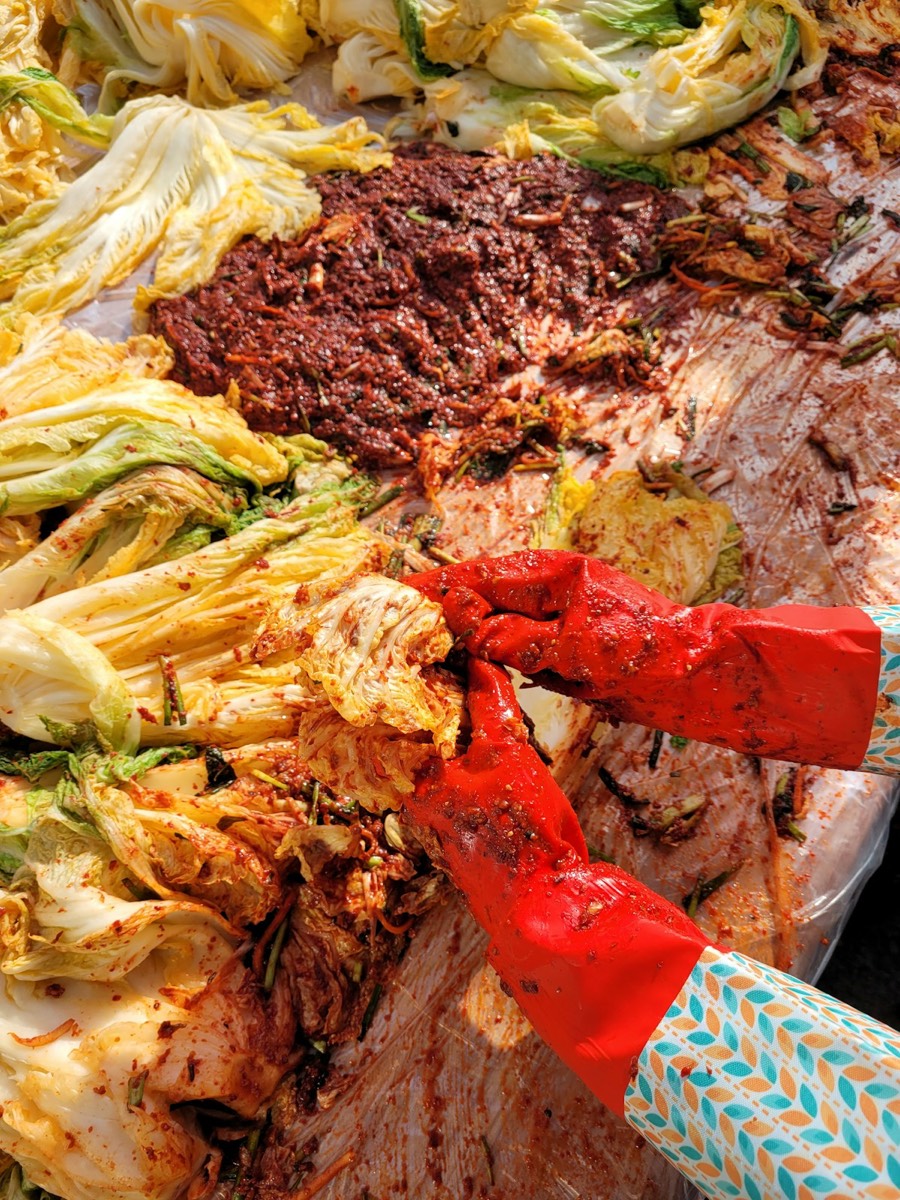
Korean cooking classes have become one of the most popular hands-on activities for visitors to Seoul and Busan - and for good reason. They give you direct access to techniques that look deceptively simple but reward guidance: fermenting kimchi with the right gochugaru-to-jeotgal ratio, building a balanced bibimbap, or getting the texture of japchae glass noodles right. This guide covers what to expect, which operators are worth your time, and how to choose between a kimchi-focused class and a broader multi-dish experience. For a broader overview including cultural experiences beyond cooking - hanbok rental, tea ceremonies, and pottery in Icheon - see our Korean cooking and cultural experiences guide.
What Happens in a Korean Cooking Class
Most group cooking classes in Seoul and Busan follow a similar structure:
Welcome and ingredient walkthrough. The instructor (usually English-speaking at classes aimed at international visitors) introduces the core ingredients - gochugaru (Korean chilli flakes), doenjang (fermented soybean paste), ganjang (soy sauce), sesame oil, and the fermented pastes and sauces that form the base of most dishes. This context makes the cooking make sense rather than being a step-by-step recipe-following exercise.
Preparation together. Students work side-by-side at a shared or individual station. Classes typically provide all ingredients pre-measured. You chop, season, and combine under instructor guidance.
Cooking and assembly. Depending on the dishes, this involves fermentation (for kimchi - no heat involved), stir-frying, grilling, boiling, or steaming. Instructors circulate and correct technique in real time.
Eating. This is the reward, and it is unhurried. Most classes set the table properly - banchan included - and sit down to eat together. Some provide rice wine (makgeolli) or soju alongside.
Recipe takeaway. All reputable classes provide printed recipes or digital versions to take home.
Best Cooking Classes in Seoul
Seoul has the widest selection of cooking schools and class formats, concentrated mainly in the Insadong, Hongdae, and Gwanghwamun neighbourhoods.
Mommy’s Kitchen Seoul (Insadong)
One of the longest-running cooking schools for international visitors, Mommy’s Kitchen operates out of a traditional hanok near Insadong. Classes run in small groups of 6–10 and focus on classic home-cooking recipes rather than restaurant techniques. The kimchi-making session here is particularly thorough - the instructor explains the science of lacto-fermentation alongside the hands-on technique.
What you cook: Typically bibimbap, doenjang jjigae, and kimchi in the standard class. Private sessions can be customised.
Duration: Approximately 3.5 hours including eating.
Price: Approximately KRW 75,000–90,000 per person as of 2026 for group sessions; private rates available.
Booking: Direct via the school’s website or through GetYourGuide.
O’ngo Food Communications (Gwanghwamun/Bukchon)
O’ngo is one of the most recognised names in Seoul culinary tourism and offers the broadest class range - from kimchi-only sessions to full multi-course Korean lunches. Classes are held in a purpose-built kitchen near Bukchon Hanok Village, which makes combining the class with a Bukchon walk easy.
What you cook: The Classic Korean Cooking class covers japchae, jeon (savoury pancake), and bibimbap. The Kimchi Making class is standalone and shorter.
Duration: Kimchi class: around 2 hours. Classic class: around 3 hours.
Price: Kimchi class approximately KRW 50,000; Classic class approximately KRW 85,000 as of 2026.
Group size: Up to 10 participants.
Ongo Food School Market Tour Combo
O’ngo also runs morning market-plus-cooking combos that start at Tongin Market or Gwangjang Market, where the instructor explains ingredients in context before heading back to cook with them. This combination is one of the better-value experiences in Seoul for anyone who wants cultural depth alongside the cooking itself.
Duration: 4–5 hours including market time.
Price: Approximately KRW 100,000–120,000 per person as of 2026.
Best Cooking Classes in Busan
Busan’s cooking class scene is smaller than Seoul’s but growing, with a focus on seafood-forward cuisine reflecting the city’s coastal location.
Cook with Busan (Haeundae area)
This operator runs small-group sessions covering Busan regional specialities alongside national Korean staples. The seafood pancake (haemul pajeon) session takes advantage of Busan’s access to fresh market seafood, and the instructor typically sources ingredients from Jagalchi Market early in the morning before classes.
What you cook: Haemul pajeon, kongnamul gukbap (soybean sprout soup - a Busan breakfast staple), and kimchi-making.
Duration: Approximately 3 hours.
Price: Approximately KRW 65,000–75,000 per person as of 2026.
Group size: Typically 4–8 participants.
Airbnb Experiences and Local Homestay Classes
A large number of well-reviewed cooking experiences in Busan operate through Airbnb Experiences rather than formal schools. These tend to be hosted in home kitchens, smaller groups (often 2–6 people), and more informal in structure. Prices are typically lower (KRW 40,000–60,000) and the experience feels more like cooking with a local family than attending a culinary school.
We recommend checking these if you prefer an intimate setting over a structured school environment. Reviews and profile verification are essential for independent hosts.
Kimchi-Making Classes: What to Know
Kimchi-making is the single most popular standalone class for international visitors, and it is a genuinely rewarding two hours regardless of your wider interest in cooking. A few things set good kimchi classes apart from mediocre ones:
Quality of the gochugaru. The chilli flakes are the dominant flavour. Classes that use fresh, high-grade gochugaru (medium heat, deep red colour) produce noticeably better results than those using pre-mixed seasoning packets.
Teaching the why. Good kimchi instructors explain fermentation - the role of salt in drawing water out of the cabbage, why anaerobic conditions matter, how to judge when kimchi is ready to eat versus when it needs more time. This is more useful than just following ratios.
Taking it home. Any class that doesn’t let you take your kimchi home is missing the point. You should leave with a sealed jar of your own batch.
Napa vs other vegetables. Most classes focus on baechu kimchi (napa cabbage), which is the most useful. Better operators also cover quick kkakdugi (cubed radish kimchi), which ferments in two to three days rather than one to two weeks.
Multi-Dish Experiences: What to Learn
For those wanting more depth than a single-dish session, look for classes that cover at least three dishes across different techniques:
Bibimbap: Teaches you to make gochujang (or work with it), prepare seasoned namul vegetables separately, and balance a bowl. It looks simple but ratio and temperature matter.
Japchae: Glass noodles made from sweet potato starch behave differently from wheat noodles - this technique does not transfer from other pasta experience and is worth learning properly.
Doenjang jjigae: Korea’s answer to miso soup but substantially more complex - fermented paste plus anchovy stock, tofu, and zucchini. The ability to make this at home unlocks a large part of everyday Korean home cooking.
Tteok (rice cakes): Included in a minority of classes but distinctive - the sticky texture of pounded glutinous rice is unlike anything in Western cooking.
Book guided tours and activities in South Korea through GetYourGuide.
Pick up an eSIM for South Korea to stay connected throughout your trip - Airalo offers easy top-up plans.
Practical Tips
Book ahead. Popular classes in Seoul fill 1–2 weeks in advance during peak season (March–May and September–October). Busan classes have slightly more availability. If you are booking within a few days, our last-minute tours page shows cooking classes and cultural experiences with open spots this week.
Dietary requirements. Vegetarian and vegan versions of most dishes are possible but require advance notice - the default for many Korean recipes includes fish sauce (jeotgal) or anchovy stock. Reputable schools accommodate this on request.
Language. All classes listed above are taught in English. If booking through a local app or Korean-language platform, confirm English availability explicitly.
What to wear. Aprons are provided, but wear clothes you are comfortable cooking in - kimchi seasoning can stain.
Timing. Morning classes followed by a restaurant lunch are a common combination. Afternoon classes (typically 14:00–17:00) are often quieter than morning sessions and work well as a mid-trip activity.