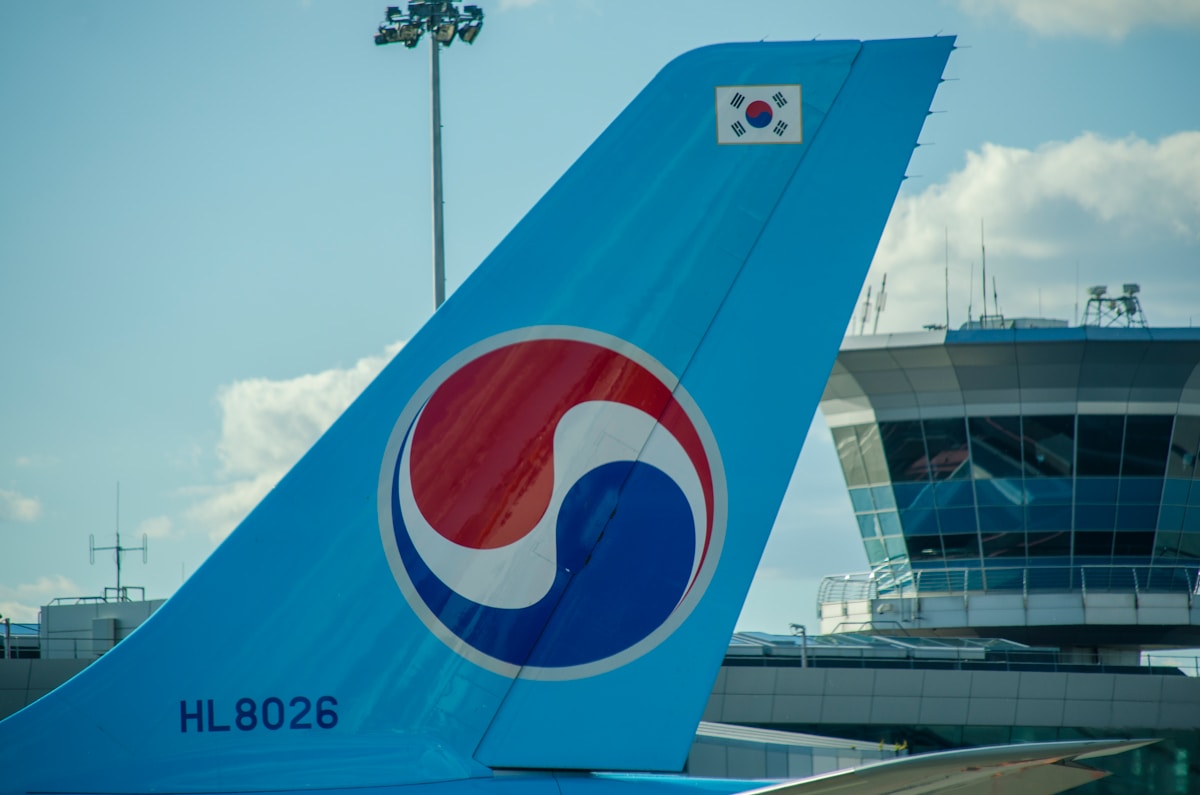
South Korea’s major airlines - Jeju Air, Jin Air, and Korean Air - are cutting hundreds of scheduled flights in response to sharply higher jet fuel costs driven by the ongoing Middle East conflict in 2026. The reductions affect international routes out of Incheon, Gimpo, and Jeju airports, with routes to Bangkok, Singapore, and Vietnamese cities among those most affected.
What is happening
Jet fuel prices have surged since the escalation of conflict in the Middle East in early 2026, raising operating costs for airlines across Asia. South Korean carriers, which operate thin margins on short and medium-haul regional routes, have responded by pulling capacity from lower-yield services rather than absorbing the cost.
Korean Air, Jeju Air, and Jin Air have collectively removed hundreds of flights from their summer schedules, primarily on routes to Southeast Asia. Passengers holding tickets on affected routes are being notified of cancellations and offered rebooking or refunds. Travellers who have not yet received notification but are flying to or from Seoul, Busan, or Jeju on budget and full-service carriers to Southeast Asian destinations should confirm their flight status directly with their airline.
What it means for visitors to South Korea
The cuts primarily affect outbound travellers from South Korea, but they also reduce inbound capacity from affected Southeast Asian markets. Visitors flying from Bangkok, Singapore, Hanoi, or Ho Chi Minh City to South Korea on Jeju Air, Jin Air, or Air Korea affiliates should verify their booking is still active and check for schedule changes.
Incheon International Airport remains fully operational, and other major international carriers - including international airlines from Europe, North America, and Northeast Asia - are not subject to the same reductions. Capacity on non-affected routes should remain stable.
What to do if your flight is cancelled
If your South Korean airline has cancelled your flight:
- Check the airline’s website or app immediately for rerouting options
- Request a full refund if the alternative schedule does not suit you - EU and Korean consumer protection rules give passengers clear refund rights on cancelled flights
- Consider rebooking on an alternative carrier, noting that prices on remaining routes may have risen due to increased demand
- Check your travel insurance policy for flight disruption coverage
Our flights to South Korea guide covers the full range of airlines and routes serving Incheon and Gimpo airports. For more on navigating South Korea’s transport connections once you arrive, our Seoul guide covers onward trains, buses, and airport links.
Rainy season note
This disruption coincides with the start of South Korea’s rainy season in late June and July, which can cause additional delays at affected airports. Travellers should allow extra buffer time for connections through Incheon and Gimpo during this period.