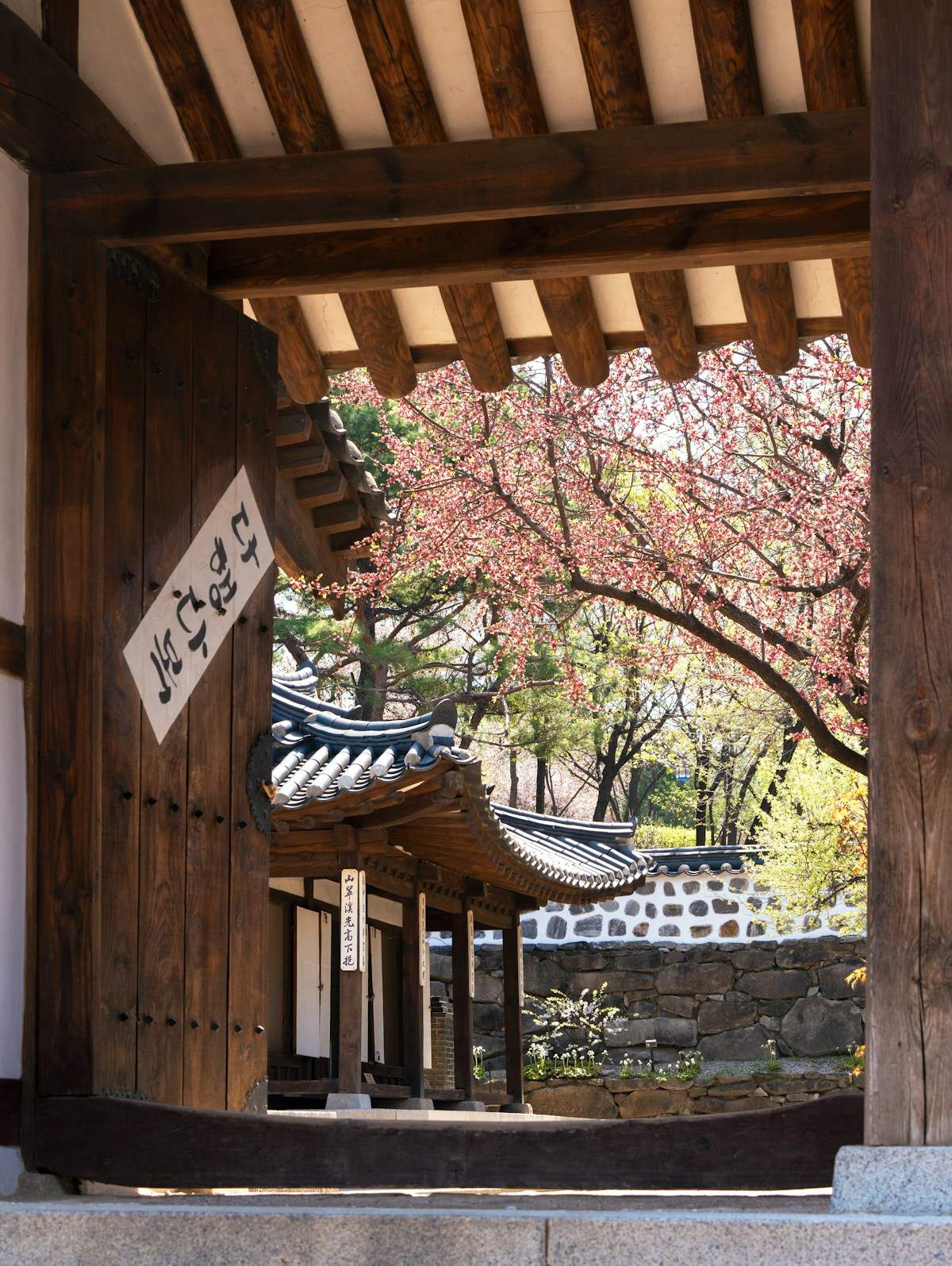
Suwon is the capital of Gyeonggi Province and, at just 30 km south of Seoul, one of the most visited day trip destinations from the capital. Its primary draw is Hwaseong Fortress - a UNESCO World Heritage Site that is one of the best-preserved examples of late Joseon military architecture in the country - but the city has enough depth to reward a full day or an overnight stay. Here is a practical guide to the top things to do in Suwon with entry fees and timings as of 2026.
Hwaseong Fortress
Hwaseong Fortress is the centrepiece of any visit to Suwon and one of the most impressive historical sites in Korea. Commissioned by King Jeongjo of Joseon and built between 1794 and 1796, the fortress walls stretch 5.7 km around a hillside enclosing the old city centre, incorporating gates, watchtowers, command posts, and a water gate.
Entry to the fortress costs approximately KRW 1,500 for adults as of 2026. The full circuit of the walls takes 2–3 hours at a moderate pace, though the hilly sections - particularly the northern Hwaseomun Gate area and the peak around Seojangdae command post - require some fitness. The views from the upper sections of the walls over Suwon city are excellent.
Highlight structures within the circuit include Janganmun Gate (the largest of the four gates, to the north), Hwahongmun Water Gate (spanning the stream at the east), Gongsimdon observation tower, and Bangryeonhoji pond. A map is available at the main ticket booths near Paldalmun Gate.
Guided tours in English are available on weekends and public holidays - check the official Suwon City tourism site for current schedules. A small tourist train (the Hwaesong Hwacha) runs sections of the fortress circuit from April through October for visitors who prefer not to walk the full walls.
Suwon Hwaseong Haenggung Palace
Haenggung Palace sits within the fortress walls and served as a detached palace - a royal residence used during the king’s visits to Suwon and as an emergency shelter during times of conflict in the capital. King Jeongjo used it regularly during his visits to his father’s tomb at Yungneung.
Entry costs approximately KRW 1,500 as of 2026 (combined tickets with the fortress are available). The palace complex is one of the largest detached palaces in Korea and has been substantially restored after damage during the Japanese colonial period. Several halls have been reopened to visitors with explanatory boards in Korean and English.
On weekends and during festival periods, the palace grounds host historical re-enactment performances including mock military drills and royal procession ceremonies. Timings vary - check current schedules at the ticket desk or on the Suwon tourism website.
Suwon Hwaseong Museum
The Suwon Hwaseong Museum, located adjacent to the fortress near the Yeonmudae command post, provides the most detailed coverage of the fortress’s construction, the engineering principles behind its design, and the political context of King Jeongjo’s reign.
Entry costs approximately KRW 2,000 as of 2026. Exhibits include original construction blueprints from the Hwaseong Seongyeok Uigwe - a detailed architectural record that proved essential when the fortress was restored in the 20th century - along with scale models, replica fortification equipment, and multimedia presentations.
The museum is small enough to cover thoroughly in 60–90 minutes. It is particularly useful visited before walking the walls, as the context it provides makes the individual towers and gates more legible.
Korean Folk Village
Korean Folk Village (한국민속촌) is a large open-air living museum located approximately 20 km south of Suwon city centre, near the city of Yongin. The complex reconstructs a late Joseon-era village across a substantial area, with more than 260 traditional buildings - farmhouses, yangban aristocrat residences, craft workshops, and administrative buildings - populated by staff in period clothing demonstrating traditional crafts.
Entry costs approximately KRW 30,000–35,000 for adults as of 2026. The site is large enough to occupy 3–4 hours easily. Timed performances through the day include equestrian acrobatics, tightrope walking, and farmer dance performances (nongak). These are genuinely skilled performances rather than token demonstrations.
From Suwon Station, a shuttle bus runs directly to the Folk Village. The journey takes around 30 minutes. The village is a popular school excursion destination and can be crowded on weekdays from spring through autumn.
Paldalmun Gate
Paldalmun is the southern gate of Hwaseong Fortress and the most accessible entry point from Suwon Station. Unlike the interior structures of the fortress, Paldalmun Gate sits in the middle of a busy city intersection and is surrounded by a roundabout of traffic - an oddly arresting image of an 18th-century stone gate rising from a modern urban environment.
Entry to the gate area itself is free, though you will need to purchase the general fortress ticket to access the walls on either side. The immediate area around Paldalmun has been developed as a pedestrian plaza with a small cultural information centre.
The Paldalmun Gate traditional market operates in the streets around the gate and is the main street food concentration in Suwon. The galbi (short rib BBQ) restaurants of the famous Paldalmun Galbi Street are within walking distance to the northwest of the gate.
Rodeo Street and Suwon City Centre
Rodeo Street is Suwon’s main pedestrianised shopping strip - a couple of blocks of fashion retail, cosmetics brands, and casual dining establishments in the city centre near the station. It is not a reason to visit Suwon in itself, but it is a useful addition to a day that has already included the fortress.
The surrounding streets have a good selection of mid-range Korean restaurants, convenience stores, and cafes. For evening meals in Suwon, the Paldalmun galbi street (see our Suwon food guide) is the destination most worth the short walk from the city centre.
Book guided tours and activities in Suwon through GetYourGuide.
Pick up an eSIM for South Korea through Airalo to stay connected.
Gwanggyo Lake Park
Gwanggyo Lake Park is a large urban park built around an artificial lake in the Yeongtong district, on the eastern edge of Suwon. Entry is free. The park has 5 km of lakeside walking and cycling paths, a waterfall feature, play areas for children, and rental kayaks and paddleboards during summer.
Gwanggyo Lake Park is primarily a local recreation destination rather than a tourist attraction, but it offers a pleasant contrast to the historical intensity of Hwaseong Fortress and is worth visiting if you have an afternoon to spare or if you are staying in the Yeongtong area. The Gwanggyo area around the park has the highest concentration of Suwon’s newer residential towers, tech company offices, and the newer cafes and restaurants catering to the area’s younger demographic.
For where to sleep, read our Suwon where to stay guide. For restaurant recommendations, see our Suwon food guide. The Suwon city hub covers the full practical picture including how to get here from Seoul.