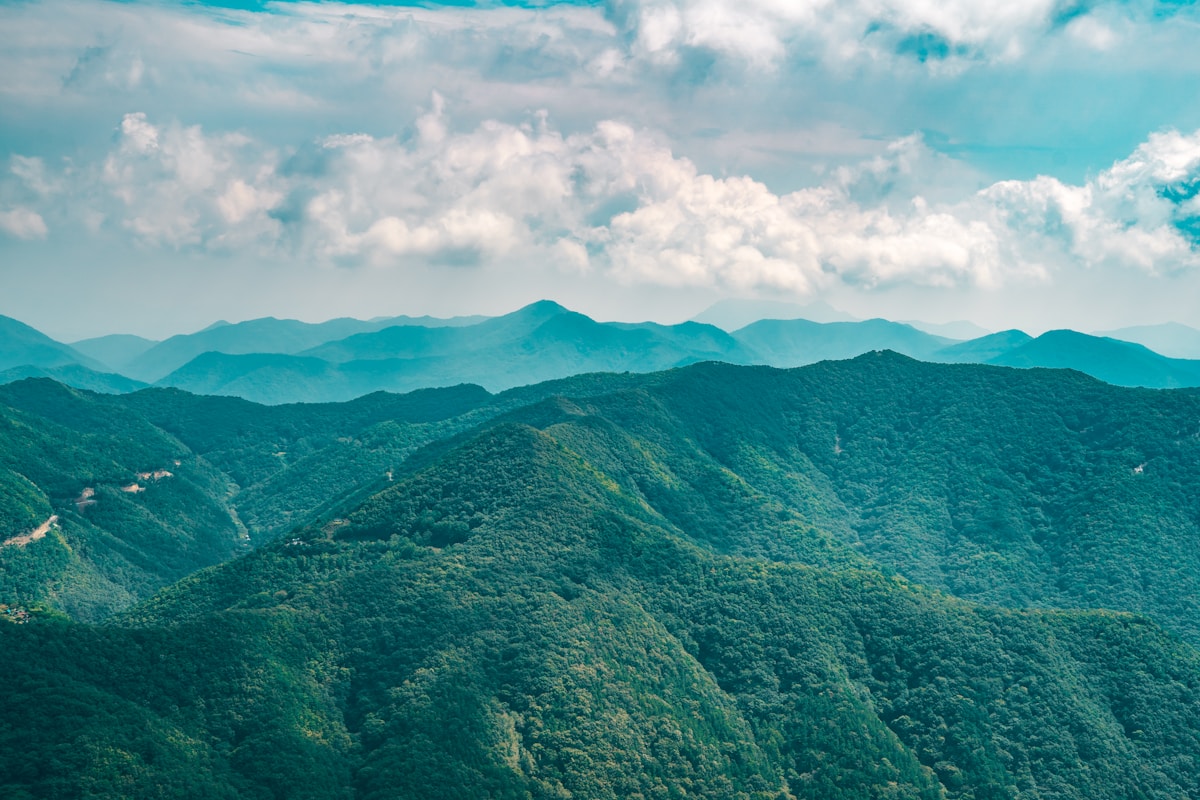
Sokcho is a small coastal city in Gangwon province that serves two entirely different types of visitor: those who have come to hike Seoraksan National Park (the most dramatic mountain scenery in South Korea outside of Jeju), and those who have come to eat fresh seafood and walk on the east coast beaches. Where you stay in Sokcho depends almost entirely on which of these two things brought you.
Zone 1 - Seorakdong (National Park Entrance)
Seorakdong (설악동) is the village district at the entrance to Seoraksan National Park, approximately 12 km from Sokcho city centre. It is not a city neighbourhood in the conventional sense - it is a cluster of guesthouses, pensions, restaurants, and souvenir shops gathered around the park gate.
Why stay here: The first bus into the park operates at 07:00. If you are planning to hike the Ulsanbawi Rock ridge, the Biseondae pools, or the longer Dinosaur Ridge trail, an early start is not optional - it is how you avoid the mid-morning crowds on the approach path. Staying in Seorakdong means you can reach the ticket office on foot in five minutes, without waiting for the bus from the city.
Budget in Seorakdong: Small family-run guesthouses (여관) and pensions cluster along the approach road to the park entrance. Rooms run approximately KRW 50,000–90,000 per night (USD 36–64) as of 2026 in the off-season, rising substantially in October during the peak foliage period. These properties are basic - clean rooms, private bathrooms, limited English - but their location is the point.
Mid-range in Seorakdong: Seorak Park Hotel (설악공원호텔) is the most established property in this zone, with rooms from approximately KRW 150,000–250,000 per night (USD 107–179) as of 2026. Mountain views from upper floors, a restaurant, and the closest hotel-standard accommodation to the park gate. Price rises sharply in October.
Weekend and holiday bookings in Seorakdong fill well in advance from September onward. Book at least two to three weeks ahead for autumn foliage season (mid-October through early November).
Zone 2 - Sokcho City and Exporo Beach
Sokcho city centre sits beside the Exporo (엑스포) and Sokcho (속초) beach areas on the coast. This is the main accommodation hub for beach visitors in summer and is also the practical base for travellers who want seafood restaurants, the Abai Village mudflat area, and the Sokcho Central Market in easy reach.
Budget in the city: Motels and smaller business hotels near the Sokcho Express Bus Terminal run approximately KRW 35,000–70,000 per night (USD 25–50) as of 2026. The bus terminal area has the best transport links - intercity buses to Seoul, Chuncheon, and other Gangwon destinations depart from here.
Beachside properties: Hotels along Sokcho Beach and Exporo Beach range from around KRW 70,000–160,000 (USD 50–114) as of 2026 in spring and autumn, doubling or more in July and August. The Sokcho Beach Hotel and similar seafront properties charge primarily for sea-view rooms and direct beach access - a premium that makes sense in summer but is harder to justify in the off-season when the beach is empty.
Mid-range business hotels in the city centre run approximately KRW 90,000–160,000 (USD 64–114) as of 2026 and offer a balance of city convenience and reasonable price.
Zone 3 - Cheongchoho Lake Area
Cheongchoho (청초호) is a lagoon lake in the southern part of Sokcho city, between the bus terminal and the beach. A cluster of mid-range hotels and pensions operates along the lake’s edge - less crowded than the beachfront, with lake rather than sea views.
Sea Cruise Hotel sits directly on the Cheongchoho lakefront with lake-view rooms, private balconies, and an on-site restaurant. It is quieter than the seafront properties and well placed for the Sokcho Expo Park area and the city bus network. From approximately KRW 110,000–190,000 per night (USD 78–135) as of 2026.
Chungchoho Best Hotel is an 18-minute walk from Sokcho Beach and close to the bus stop for services to both the express terminal and Seoraksan. Clean rooms, free breakfast included, and free on-site parking. From approximately KRW 100,000–170,000 per night (USD 71–121) as of 2026. Both lake-area properties are notably quieter than the seafront zone and better suited to car arrivals from Seoul.
Practical Notes
Getting here: The Sokcho Express Bus Terminal connects to Seoul Dong Seoul and Sinbundang terminals (roughly 2.5–3 hours). No train line serves Sokcho directly - buses are the primary public transport link from Seoul.
Getting from the city to Seoraksan: Local bus 7 from the bus terminal to the park gate takes approximately 20–25 minutes and costs roughly KRW 1,500 as of 2026. Taxis take 15 minutes and cost approximately KRW 12,000–16,000 as of 2026.
Seafood eating: The Sokcho Central Market (속초중앙시장) is the best place for raw fish and local market food. It is in the city centre, within walking distance of most Zone 2 and Zone 3 accommodation. Abai Village - a small fishing community on a tidal flat accessible by hand-pulled ferry - is worth visiting for grilled squid and local atmosphere.
For tours in Sokcho and Seoraksan covering the main hiking routes and the east coast, GetYourGuide lists day-trip options from Seoul and guided trekking itineraries for the main Seoraksan trails.