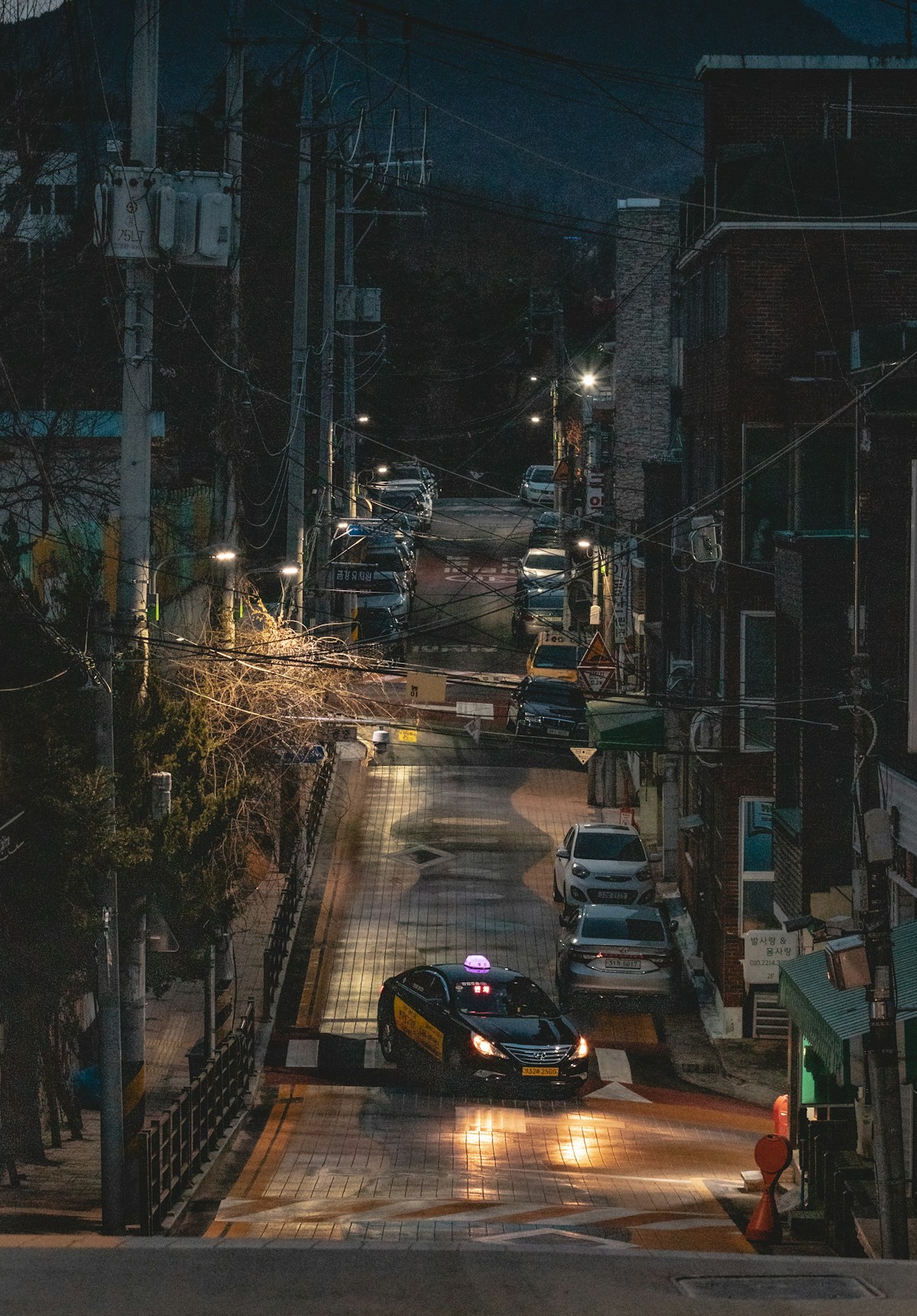
Daegu is South Korea’s fourth-largest city and one of its least touristically developed. There is no Myeongdong, no international cruise terminal, and no concentrated tourist zone - just a large, functioning Korean city with good metro coverage, cheap food, a strong textile and fashion history, and a herb medicine district that has operated continuously since the Joseon era. That changes the accommodation calculation: you are choosing a base in a real city, not picking from a curated tourist strip.
The Main Neighbourhoods
Dongseongno and the City Centre
Best for: First-time visitors, those without a car, anyone planning day trips by metro.
The area around Dongseongno (동성로) - Daegu’s main pedestrian shopping street - is where most mid-range and international hotels cluster. From here you can walk to the Yangnyeongsi Herb Medicine Market, the Gyeongsang-gamyeong historic site, and the surrounding alleyways of the older city centre. Seomun Market (one of Korea’s largest traditional markets) is a short taxi or metro ride away.
This is the most practical base for visitors spending two to three days in Daegu and wanting efficient access to the main sights. Hotels here sit within walking distance of Daegu Station or Dongdaegu Station (the KTX stop on the eastern edge of the centre).
Suseong Lake District
Best for: Quieter stays, upscale accommodation, longer visits.
Suseong Lake (수성못) is a residential lakeside area about 20 minutes south of the city centre by metro. The lake path and the restaurants clustered around it make it Daegu’s most pleasant evening walking destination. Upscale hotels in this district offer a more relaxed environment than the busy commercial centre.
The trade-off is distance: the main heritage sights and markets are 20–30 minutes away by taxi or metro. If you are renting a car, Suseong Lake is an easier base.
Near Dongdaegu Station
Best for: KTX travellers making short stops, business visitors.
Dongdaegu is Daegu’s high-speed rail station. Hotels here are convenient if you are arriving by KTX and want to drop luggage quickly. The area is functional rather than atmospheric, with a mix of business hotels and chain properties. Good metro connectivity to the rest of the city.
Budget Accommodation
Local guesthouses and smaller business hotels near Daegu Station and Dongseongno run approximately KRW 40,000–70,000 per night (roughly USD 29–50) as of 2026. Expect clean rooms with private bathrooms and Wi-Fi but minimal amenities. Several Korean motel chains operate in this range - the rooms are consistently functional, if characterless.
Budget travellers should note that Daegu’s jjimjilbang (찜질방, public bathhouses with sleeping rooms) provide an alternative for very tight budgets, with overnight stays from approximately KRW 10,000–15,000 as of 2026. Standards and noise levels vary significantly.
Mid-Range Hotels
Novotel Daegu City Centre is the city’s flagship internationally branded mid-range property, with rooms typically from approximately KRW 130,000–190,000 per night (USD 93–136) as of 2026. Located close to Dongseongno and the main metro lines. English-speaking staff, gym, in-house restaurant. The most straightforward choice for international visitors who want consistent standards without paying for the top tier.
Ariana Hotel Daegu and similar Korean-branded business hotels in the city centre run approximately KRW 90,000–140,000 (USD 64–100) as of 2026. Service standards vary; read recent reviews on Naver or Booking.com before booking - some properties have renovated recently while others have not.
Upscale Accommodation
Hotel Susung is the most established upscale property in Daegu’s Suseong district, sitting within a short drive of Suseong Lake with spa facilities including private in-room hot spring tubs. Rates run from approximately KRW 180,000–280,000 per night (USD 129–200) as of 2026. Business travellers and Korean domestic tourists are the primary guests; the overall standard is comfortable rather than luxurious by international comparison.
InterBurgo Daegu is the other upscale option with strong name recognition in the city, with rates from approximately KRW 200,000–300,000 (USD 143–214) as of 2026. Popular for corporate stays and weddings. The design is dated in parts but the rooms are large and the facilities - pool, fitness centre, multiple restaurants - are the most complete of any property in Daegu.
Practical Notes
Daegu’s metro runs until approximately midnight and connects all major accommodation areas. A T-money card (purchase at any convenience store) covers the metro and city buses. Daegu’s main taxi rank is outside Dongdaegu Station.
Best times to visit: Spring (April–May) for Palgongsan cherry blossoms and the Yangnyeongsi herb festival; October for the Daegu International Musical Festival. August is the hottest month in Korea - Daegu is known as the warmest major city on the peninsula, with summer temperatures regularly reaching 37–38°C. Air-conditioned accommodation is a practical necessity from late June through August.
For tours in Daegu covering the herb medicine district and the modern history quarter with English context, GetYourGuide lists small-group options for half-day and full-day itineraries.