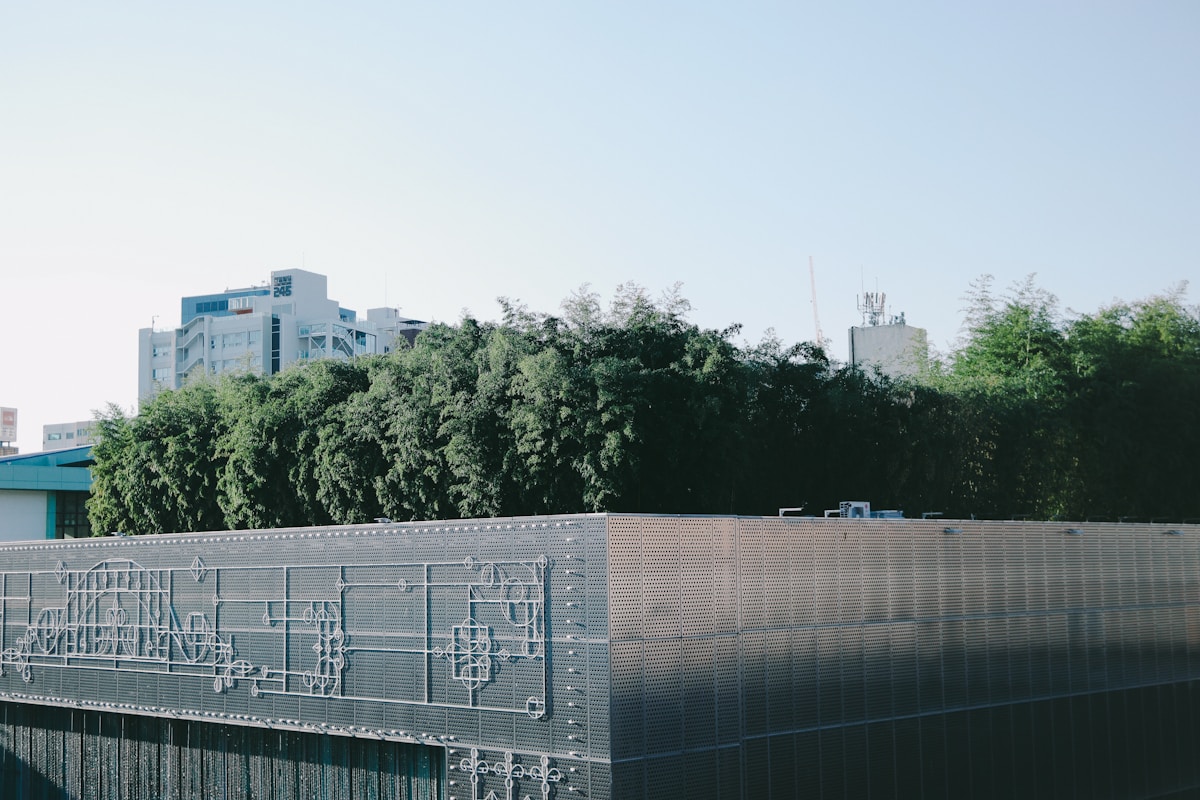
Gwangju tends to be framed as a single-note destination - the May 18th Democratic Uprising city - and that framing undersells it. The city hosts the Gwangju Biennale, one of Asia’s most significant contemporary art events. It has the National Asian Culture Complex (ACC), a substantial cultural campus designed by Woo Keun-soo. And it has a food culture - particularly its banchan tradition - that Korean food writers rank as the strongest in the country. The accommodation choice is less about price tier and more about which version of Gwangju you are here to explore.
Choosing Your Area
Gwangju is compact. There are no remote outlier neighbourhoods that require a 40-minute commute to the centre. But three main zones suit different types of visitors.
Geumnamno (금남로) and the Central District is the most versatile base. The main boulevard runs from the former Provincial Hall - the most significant site of the 1980 Uprising - through the commercial centre toward Geumnamno Station. Restaurants are dense here, the Yangdong Market is a short walk away, and metro connections cover the rest of the city. For visitors combining democracy history and food, this is the right zone.
Dongmyeong-dong is Gwangju’s arts and independent culture district - galleries, indie cafés, small live music venues, and younger guesthouses. It sits adjacent to the ACC and the main Biennale areas. If you are visiting for the Biennale or the contemporary arts scene specifically, staying here means you are in the right environment rather than commuting to it.
Near Gwangju Songjeong Station (the KTX station in the east) is the most practical zone for rail travellers. A cluster of newer business hotels opened here after the KTX connection to Seoul launched. The neighbourhood is functional rather than interesting, but the 10-minute taxi to the centre is inexpensive and the station itself has excellent national rail connections.
Budget Accommodation
Oasita Hostel is the most consistently rated budget property in Dongmyeong-dong — rated 9.3 by guests, located beside the Gwangju Night Market and the Dongmyeong-dong café strip, with private rooms and dormitory options. From approximately KRW 30,000–55,000 per night (USD 21–39) as of 2026. This is the right base for visitors here for the Biennale or the contemporary arts scene; the ACC and Biennale Hall are within 2 km. Shared bathrooms are common at the lowest price points; private en-suite rooms are available from KRW 45,000 upward.
Budget business hotels near Gwangju Songjeong Station run approximately KRW 50,000–75,000 (USD 36–54) as of 2026. Clean and functional, with private bathrooms and Wi-Fi standard across the tier. The station neighbourhood has convenience stores and basic restaurants nearby.
Mid-Range Hotels
BREEV Gwangju by Lotte Hotels (formerly Ramada Plaza Gwangju) is one of the most consistent mid-range choices in the city, with rooms typically from approximately KRW 100,000–160,000 per night (USD 71–114) as of 2026. The location near Geumnamno is strong - May 18th Democracy Square is walking distance, and the city’s main restaurant zone is adjacent. English-speaking staff, an in-house restaurant, and a rooftop bar.
Hotel Lak-Gung and similar locally branded mid-tier hotels offer comfortable rooms in the KRW 80,000–120,000 range (USD 57–86) as of 2026. Design varies — some have been recently renovated while others are showing their age. Reading recent reviews on Naver or Booking.com before booking is worthwhile.
Gwangju Hanok Guesthouses - a small number of traditional hanok properties operate in the older western residential districts, with ondol floor rooms from approximately KRW 65,000–100,000 (USD 46–71) as of 2026. Gwangju’s hanok stays are quieter and less commercially developed than Jeonju’s (a 40-minute KTX ride away). They offer a more intimate experience than city hotels but require more advance booking as properties are few.
Upscale Accommodation
Holiday Inn Gwangju is the city’s most prominent internationally branded upscale property, with standard rooms from approximately KRW 140,000–210,000 per night (USD 100–150) as of 2026. Swimming pool, fitness centre, and on-site restaurant. Located in the business district near Gwangju Songjeong Station with reliable metro access to the centre.
Lotte City Hotel Gwangju offers a similar tier with a slightly more central location at comparable price points as of 2026 — KRW 140,000–200,000 for a standard room. Reliable for international visitors who want consistent service and English-speaking front desk staff.
Both properties are the default choice for international visitors who want predictable standards and full hotel facilities.
Practical Considerations
Biennale year booking: The Biennale (held every even year, September–November) is the one period when booking lead time matters significantly in Gwangju. Outside Biennale season, the city has more accommodation availability than most comparable Korean destinations.
Food proximity: Gwangju’s best restaurants are concentrated in the Geumnamno, Yangdong Market, and Chungjangno areas. A central location - Ramada Plaza or similar - puts you in the middle of the city’s strongest food zone. The market area is worth a morning visit for traditional Korean breakfast.
May 18th sites logistics: The May 18th National Cemetery requires a bus trip from the centre (approximately 30–40 minutes). The Democracy Square on Geumnamno and the Old Provincial Hall are walkable from central hotels. The May 18th Memorial Foundation maintains an English-language guide to the main sites.
Gwangju’s two-line metro covers the main city corridor. A single ride costs approximately KRW 1,400 as of 2026. Taxis are inexpensive for short hops between the main districts. The city also has a community bicycle network, Tamiaseo, which is a practical option for short trips between the main attractions and sightseeing clusters.
For guided tours in Gwangju covering the May 18th sites and the National Asian Culture Complex with English interpretation, GetYourGuide lists small-group itineraries that add context to self-guided visits.