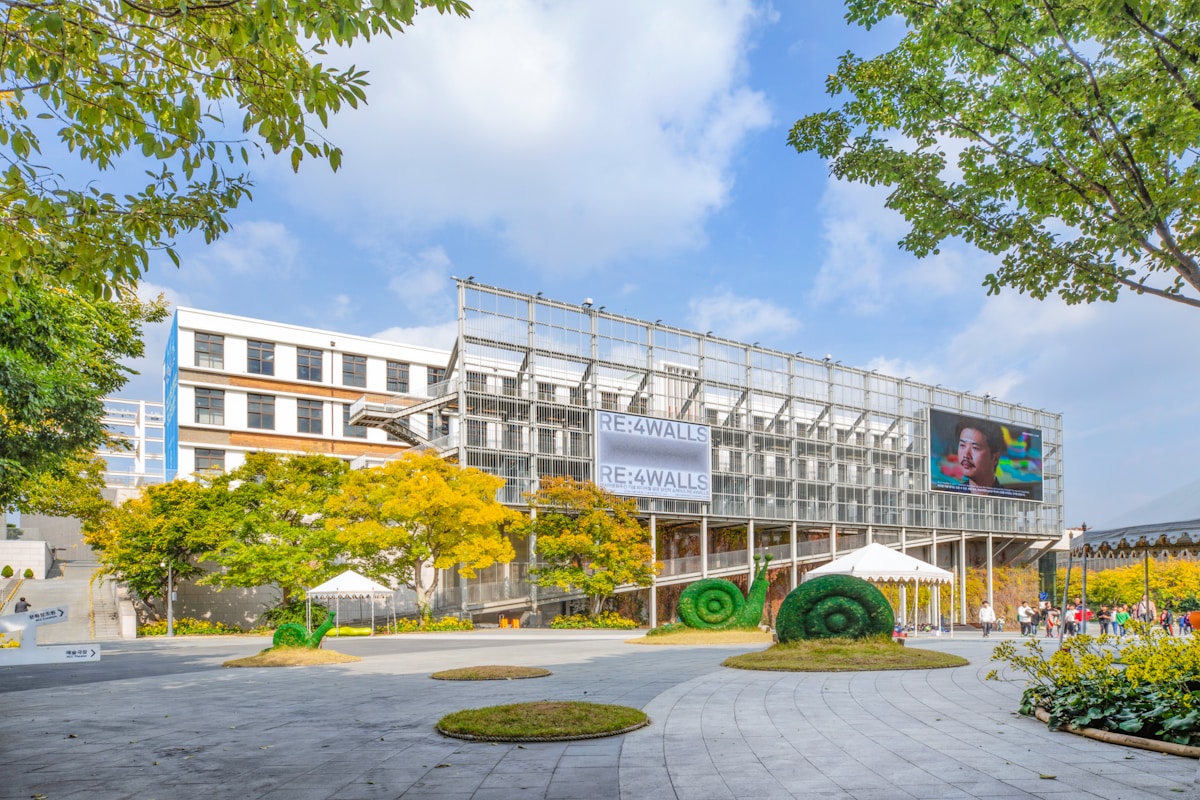
Gwangju is South Korea’s self-declared cultural capital - home to the Gwangju Biennale, the Asia Culture Center, and a neighbourhood arts scene in Yangnim-dong that rivals anything in Seoul for density of galleries, independent bookshops, and small live venues. Choosing where to stay here shapes your experience more than in many Korean cities, because each district has a distinct personality. Here is a practical guide to the best hotels and guesthouses in Gwangju, organised by proximity to the main arts and culture sites.
Near Gwangju Biennale Hall
The Gwangju Biennale Exhibition Hall sits in the northwestern part of the city, adjacent to Biennale Park and connected by bus and taxi to the central districts. During Biennale years (the event runs every two years in even years, typically September–November), demand in this area spikes sharply and early booking is essential.
Ramada Plaza Gwangju is the most consistently recommended mid-range hotel for Biennale visitors. Located in the central Geumnamno area - roughly 15 minutes by taxi from the Biennale Hall - it offers standard doubles from approximately KRW 100,000–160,000 per night as of 2026. Facilities include a rooftop bar, a gym, English-speaking front desk staff, and reliable Wi-Fi. The hotel runs slightly full during Biennale season; book two to three months out if your visit coincides.
Business hotels in the Sangmu district - Gwangju’s newer commercial zone in the west of the city - are a short 10-minute cab ride from the Biennale Hall and offer clean modern rooms from approximately KRW 65,000–95,000 per night as of 2026. These properties (several locally branded business hotels without international affiliation) are popular with Korean business travellers and offer private bathrooms and fast Wi-Fi without much design ambition. Good value if you’re here primarily for the Biennale and want something practical and affordable.
Yangnim-Dong: The Arts District
Yangnim-dong (양림동) is Gwangju’s most interesting neighbourhood for cultural visitors - a hillside area south of the city centre where 19th-century missionary buildings, traditional hanok houses, art studios, and independent cafes coexist in an unusually dense cluster. The district has a distinctly different texture from central Gwangju and has become the city’s primary draw for younger domestic travellers and design-focused visitors.
Boutique guesthouses in Yangnim-dong have proliferated since the neighbourhood’s designation as a cultural district. Several properties occupy renovated traditional buildings - a combination of hanok and Japanese colonial-era architecture - with rooms from approximately KRW 60,000–100,000 per night as of 2026. These guesthouses typically have 5–12 rooms, strong visual identity, and coffee-focused communal spaces. English-language booking through Korean platforms like Naver or Yanolja is the usual route; a handful appear on international OTAs. Advance booking is strongly recommended for weekends year-round.
Yangnim Art Village guesthouses - a cluster of small accommodation properties within or immediately adjacent to the official art village zone - offer a similar experience at slightly lower price points, from approximately KRW 45,000–75,000 per night as of 2026. These are often family-run, with the owner present and a good knowledge of the neighbourhood’s galleries and walking routes.
Getting around from Yangnim-dong: The neighbourhood is approximately 2 kilometres southwest of Gwangju Station and walkable from several bus stops on the main Geumnamno corridor. Taxis to the Biennale Hall take roughly 15–20 minutes and cost approximately KRW 8,000–12,000 as of 2026. The city’s two-line metro doesn’t reach Yangnim-dong directly, but the nearest stop (Nongseong) is a short walk from the district’s edge.
Central Gwangju: Geumnamno and Dongmyeong-dong
Gwangju’s main commercial boulevard - Geumnamno - is lined with shops, restaurants, and a concentration of mid-range business hotels. For first-time visitors, basing yourself here gives easy access to the Gwangju 5.18 Memorial Hall, the National Asian Culture Center (ACC), and the historic Dong-gu (East District) where the 1980 democratic uprising played out.
Holiday Inn Gwangju is the city’s most prominent internationally branded hotel, with rooms typically running KRW 140,000–200,000 per night as of 2026. Swimming pool, fitness centre, and an on-site restaurant with a breakfast buffet make it a reliable choice for extended stays or for travellers who want consistent international standards. Located in the business district with connections to both KTX and mainline stations.
Lotte City Hotel Gwangju offers a similar tier at comparable price points, with a slightly more central location convenient for the ACC and the 5.18 Memorial sites. English-speaking staff and a large breakfast selection are standard.
Dongmyeong-dong guesthouses: This neighbourhood - Gwangju’s version of Seoul’s Hongdae - draws a younger crowd and has the most active independent cafe and live music scene in the city. Budget guesthouses here run approximately KRW 30,000–55,000 per night as of 2026 for a private room. Atmosphere is higher than in business hotels; facilities are usually modest. Ideal for travellers who want to be embedded in the arts and nightlife scene.
KTX Arrival: Gwangju Songjeong Area
Gwangju has two railway stations. If you’re arriving from Seoul by KTX, you’ll arrive at Gwangju Songjeong Station in the eastern part of the city - a different location from the older Gwangju Station in the north. The distinction matters for accommodation planning.
Business hotels around Songjeong Station offer functional rooms from approximately KRW 55,000–80,000 per night as of 2026. The area is not interesting to walk around, but a 10-minute taxi into the centre costs roughly KRW 6,000–9,000 as of 2026. If you’re arriving late or leaving early, staying near Songjeong is the most practical choice.
KTX travel time from Seoul: Gwangju Songjeong is approximately 1 hour 40 minutes from Seoul Yongsan Station on the KTX as of 2026. The older Gyeongbu–Honam Line service via Gwangju Station takes longer.
Practical Tips
Biennale season: The Gwangju Biennale runs in even years (2026, 2028) from approximately September to November. Accommodation across the city books up faster and prices rise by 20–40% during this window. If your visit overlaps with the Biennale, book two months ahead at minimum.
May 18th sites: The May 18th National Cemetery, Memorial Park, and Civilian Cemetery are located in the north of the city near the older Gwangju Station. If paying respects at these sites is central to your visit, staying near Gwangju Station (north) shortens the journey, though the metro and taxis from the centre are manageable.
Food district proximity: Gwangju is widely considered to have the richest banchan tradition in South Korea. Staying in Geumnamno or Dongmyeong-dong puts the best local restaurants within walking distance. Yangdong Market is worth a short detour for street food and lunch.
Metro: Gwangju’s two-line metro covers the main east–west and north–south corridors. A single ride costs approximately KRW 1,400 as of 2026. Taxis are inexpensive by Korean urban standards and widely available.
Korean booking platforms: Naver Travel (네이버 여행) and Yanolja (야놀자) list smaller Yangnim-dong boutique guesthouses and design hostels that rarely appear on international OTAs. Worth checking if you want something more characterful than a business hotel.
For guided tours in Gwangju covering the Asia Culture Center, the May 18th memorial circuit, and the Yangnim art district with English interpretation, GetYourGuide lists small-group options that pair well with a hotel base in the arts district.