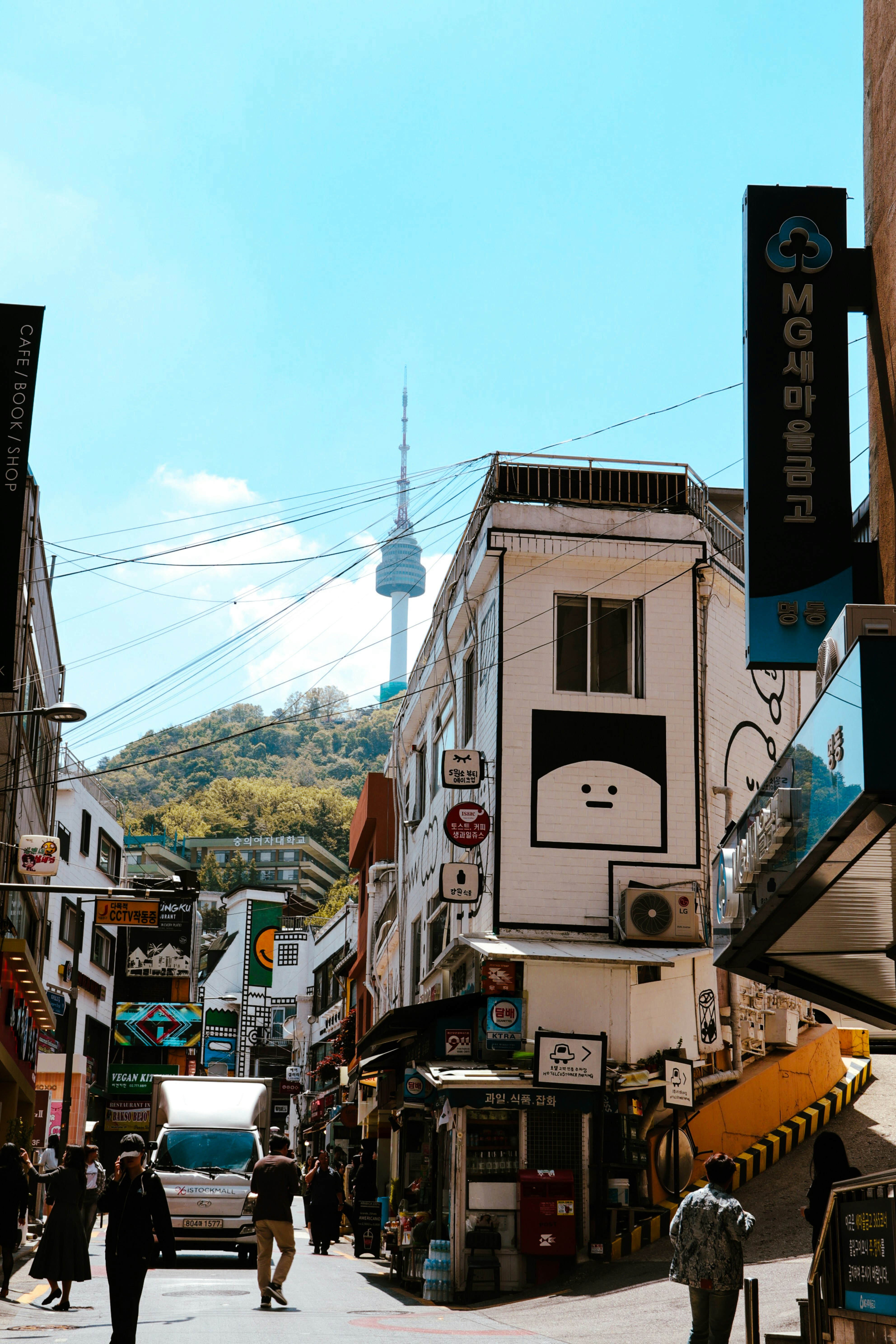
South Korea is one of the most rewarding solo travel destinations in Asia. The infrastructure is hyper-efficient, solo dining is culturally normal rather than awkward, the country is exceptionally safe, and the mix of ancient temples, modern cities, hiking mountains, and coastal scenery gives solo travellers real variety without the logistics headaches of more chaotic destinations.
Is South Korea Good for Solo Travel?
By almost every measure, yes. South Korea has one of the lowest violent crime rates in Asia. Public transport - subway, bus, and high-speed rail - is punctual, affordable, and easy to navigate with English signage. Accommodation options for solo travellers span capsule hotels, well-run guesthouses, international hostel brands, and affordable business hotels. Solo dining is not only accepted but actively catered for: many Korean restaurants have single-seat counter arrangements specifically designed for one.
The country is also compact. Seoul to Busan by KTX high-speed train takes approximately 2 hours 30 minutes. Seoul to Gyeongju takes under 2 hours. You can cover a lot of ground in a short trip without spending your travel days on buses.
Safety for Solo Travellers
South Korea’s safety record for tourists is outstanding. Violent crime against foreign visitors is rare. Petty theft is low by the standards of any major tourist destination. Emergency services are reliable and major hospitals in Seoul have international clinics with English-speaking staff.
Road traffic is the most significant practical risk - Korean drivers are assertive, and delivery scooters operate on pavements in busy areas. Cross with the pedestrian signal rather than assuming right-of-way.
Drink spiking has been reported in a small number of bars in nightlife districts. Standard precautions - not leaving drinks unattended, not accepting drinks from strangers - apply here as anywhere.
Solo Female Travel in South Korea
South Korea ranks consistently among the safest countries in the world for solo women. Late-night subway and bus services are well-lit, populated, and equipped with CCTV. Harassment in tourist areas is minimal. Many convenience stores and subway stations have women-only emergency help points.
The main area of awareness is busy nightlife districts - Itaewon and some Hongdae back streets late at night warrant the same standard caution you would apply in any city nightlife area. Outside those specific contexts and times, solo female travellers report feeling very comfortable across the country, including in rural areas and on hiking trails.
How to Meet People in South Korea
Solo travel in South Korea does not have to mean travelling alone. There are well-established channels for connecting with other travellers and locals:
- Language exchange meetups - universities across Seoul run English Cafe programs open to the public, and apps like HelloTalk generate informal meetup events in major cities. These attract a consistent mix of Koreans wanting English practice and foreigners wanting Korean conversation partners.
- Facebook groups - “Foreigners in Korea” and “Seoul Expats” are large, active communities with regular event listings and advice threads. Useful for finding out about meetups on specific dates.
- Couchsurfing Seoul meetups - weekly events run in Seoul even for travellers who are not using Couchsurfing for accommodation. Check the Seoul group for schedules.
- K-pop fan meetups - globally sourced groups of fans gather around artist agency buildings (HYBE in Yongsan, SM Entertainment in Gangnam) and at fan sign events. These attract international visitors who often travel solo and are looking to connect with fellow fans.
- Hiking clubs - Bukhansan and Dobongsan in northern Seoul are accessible by subway and attract hiking groups every weekend. Several foreigners-welcome hiking groups post meetup times on Facebook. Trails are sociable and the summit rest areas are natural conversation points.
- Hongdae late-night street scene - the area around Hongdae’s main street has live busking and street performances well into the night. It is naturally social and draws a high proportion of solo travellers and expats.
- Busan’s Gwangalli Beach evenings - fire performers, street food tents, and a relaxed atmosphere around Gwangalli Bridge make this Busan’s most naturally social outdoor space.
- Temple stay programs - templestay.com (the official Korean Buddhist Cultural Service site) runs 1–2 night residential stays at active temples across the country. Groups are small and the shared experience - meditation, temple food, early morning bell ceremony - creates conversation naturally. Prices start at approximately ₩50,000–80,000 per night as of 2026.
Best Bases for Solo Travellers
Seoul is the obvious starting point and the easiest city for a first solo trip to South Korea. The subway system covers almost everywhere you want to go, hostels and guesthouses cluster around Hongdae and Insadong, and the sheer density of things to do - palaces, markets, day hikes, museums, food - means there is no downtime unless you want it. Read our Seoul guide for neighbourhood breakdowns and what to prioritise.
Busan works exceptionally well as a second base or standalone destination. It is South Korea’s most accessible beach city, has its own well-organised subway, and the solo travel infrastructure (hostels, food markets, beach areas) is mature. Haeundae and Gwangalli are both walkable and social.
Gyeongju suits solo travellers who want a slower pace. It is South Korea’s open-air museum - royal burial mounds, Bulguksa Temple, Cheomseongdae observatory - and is navigable by bicycle or local bus. It pairs naturally with Busan, about 50 minutes away by train.
Group Tours Worth Taking
Even committed independent travellers often find two experiences better with a guide: the DMZ tour from Seoul and Jeju Island day tours. The DMZ requires access through a licensed operator - independent access to the Joint Security Area is not permitted. Jeju’s key sites (Hallasan crater, Manjanggul lava tube, Seongsan Ilchulbong) are spread across the island in ways that make a guided Jeju day tour genuinely more efficient than public transport, particularly for a short visit.
Practical Solo Tips
- Daily budget: ₩80,000–100,000 covers a hostel bed, street food and cheap sit-down meals, and all public transport. A mid-range budget with a private hotel room and restaurants runs ₩150,000–220,000 per day.
- T-money card: Buy one at any convenience store or airport kiosk. It covers subway, bus, and some taxis across most of the country. Top up at convenience stores. Far simpler than buying individual tickets.
- KTX rail: Seoul to Busan costs approximately ₩59,800 in standard class as of 2026. Book through the Korail website or the Korail Talk app. Trains run frequently and are reliably on time.
- Solo restaurant dining: Korean culture has normalised eating alone - the concept of honjok (solo lifestyle) is well established. Look for restaurants with counter seating along the wall, which are specifically designed for single diners. Convenience store meals (gimbap, ramen, pre-packaged rice sets) are also a legitimate and cheap option at any hour.
- Kakao T app: Use this for taxis rather than hailing street cabs. It shows the registered driver and plate, provides an estimated fare, and reduces the very small risk of overcharging.
- Data: A local eSIM or SIM card is essential for navigation and transport apps. Airport kiosks at Incheon have SIM options from approximately ₩30,000 for 10 days as of 2026. See our South Korea eSIM and SIM card guide for a comparison of options.
Best Time to Go Solo
April–May (cherry blossom and spring hiking season) and October–November (autumn foliage, especially in Gyeongju and the national parks) are the peak periods for solo travel. Weather is excellent, trails and attractions are at their most visually rewarding, and there are more travellers around - which makes meeting people easier. The trade-off is that accommodation books up faster and popular spots (Jinhae for cherry blossoms, Naejangsan for autumn colour) get genuinely crowded on weekends.
June can be a good shoulder option - before the July–August monsoon heat and humidity arrive, and after the spring peak. Prices ease slightly and crowds thin.
Winter (December–February) brings cold temperatures, particularly in Seoul, but also snow on the mountains and considerably cheaper accommodation. It suits travellers who are comfortable with cold and want to avoid crowds entirely.
Compare travel insurance for South Korea with EKTA.
Search for cheap flights with Aviasales.
Search hotels in Seoul on Booking.com
Related Guides
- South Korea Digital Nomad Guide - working remotely in South Korea: visa options, coworking, and city comparisons
- Seoul Vegan Guide - plant-based restaurants, temple food, and how to navigate menus
- South Korea Vegan Guide - nationwide overview of vegan and vegetarian eating across cities
Plan Your Trip
✈️ Book your flights to South Korea 🛡️ Get travel insurance 📱 Stay connected with an eSIM 🚗 Rent a car