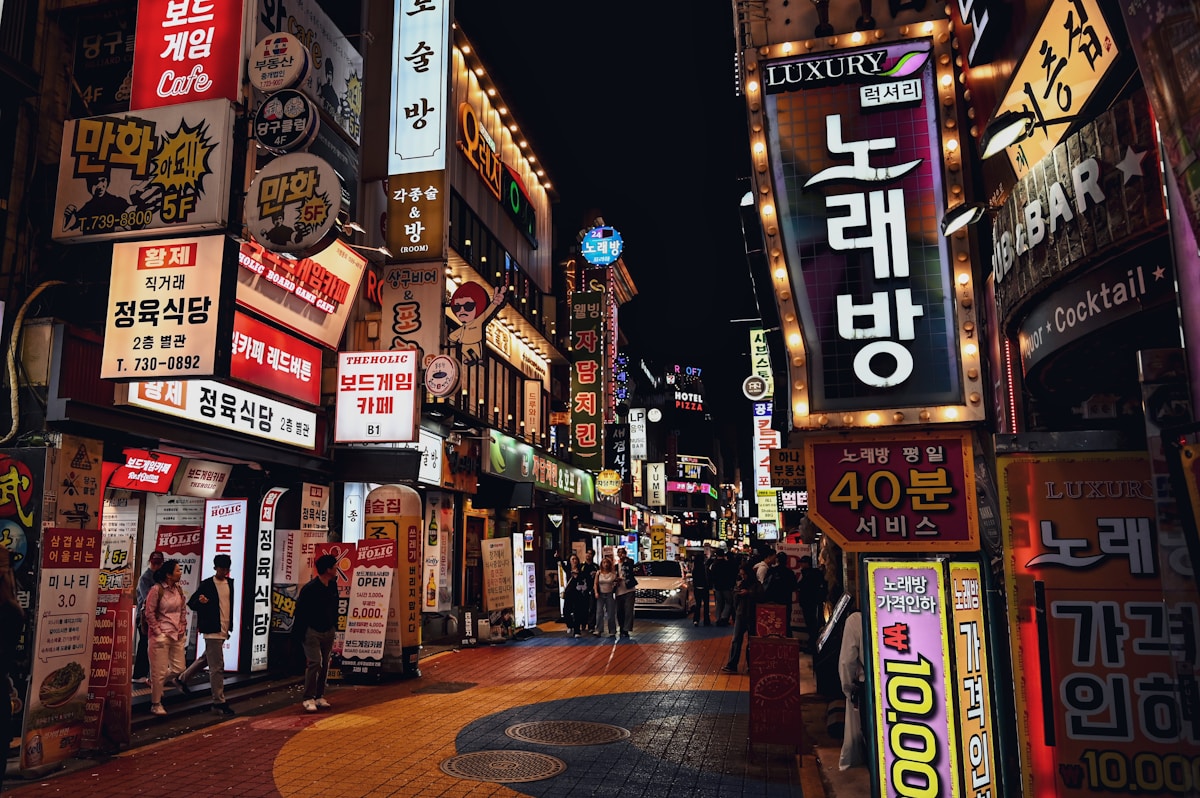
South Korea is one of the most technically capable countries in the world for remote work - exceptional internet infrastructure, a strong café culture that accommodates laptop workers, and rapidly developing coworking space provision. The challenge has historically been the visa situation; this has begun to ease with the introduction of a dedicated workation programme.
Visa Situation
Visa-free entry: Citizens of approximately 100 countries can enter South Korea for tourism/short visits without a visa - the US, UK, EU, Canada, Australia, Japan, and many others. Stays of 30–90 days (depending on nationality and any bilateral agreements) are permitted. Working remotely during a tourist visa stay is technically a grey area in most countries’ visa terms, including Korea’s. Many short-term nomads take this approach without issue, but it carries legal ambiguity.
Workation Visa (D-8-4): South Korea launched a dedicated workation visa in April 2023, allowing remote workers to legally live and work in Korea for up to a year. Requirements as initially set included proof of employment/freelance income, health insurance, and accommodation proof. Availability and specific requirements should be verified at the time of application as policies have been evolving.
Working Holiday Visas: Available for citizens of around 25 countries (Australia, UK, Canada, Germany, France, Ireland, New Zealand, and others). Age limit is typically 18–30 or 35 depending on nationality. A working holiday visa allows both employment and remote work for 1 year.
Cost of Living
Seoul is the main hub for nomads and the price reference point:
Accommodation:
- Private studio in central Seoul: KRW 800,000–1,500,000/month (approximately US$600–1,100) for a furnished option via monthly booking
- Guesthouses with private rooms on monthly rates: KRW 600,000–900,000
- Coworking/coliving spaces with accommodation included: KRW 700,000–1,200,000/month
Coworking spaces:
- Day pass: KRW 15,000–30,000
- Monthly hot desk: KRW 200,000–400,000
- Dedicated desk: KRW 300,000–600,000
Food:
- Convenience store meal: KRW 3,000–6,000
- Restaurant lunch set: KRW 8,000–12,000
- Coffee at a café: KRW 4,500–7,000
Transport:
- Monthly T-money top-up (metro/bus): approximately KRW 50,000–80,000 for regular commuting
Internet and Connectivity
South Korea’s internet infrastructure is a genuine competitive advantage for remote work. Key points:
- Average café internet speed: 50–200 Mbps, typically unthrottled
- 5G coverage is comprehensive in Seoul, Busan, Daejeon, and major cities
- Most cafés expect laptop workers to buy a drink per 1–2 hours (the social norm)
- Co-working cafés (코워킹 카페) are distinct from regular cafés and charge hourly rates for guaranteed seating and power access
Best Cities for Digital Nomads
Seoul - the primary hub, with the most coworking spaces, strongest international community, best transport, and most English-language infrastructure. Areas like Hongdae, Seongsu-dong, and Gangnam have the highest concentrations of coworking spaces and nomad-friendly cafés.
Busan - a well-regarded secondary base. Lower accommodation costs than Seoul, a beach lifestyle that suits longer stays, and growing coworking infrastructure. The Haeundae and Seomyeon areas have options.
Jeonju - less developed for nomads but lower cost and a distinctive cultural environment. Suitable for those wanting a quieter base with high quality of life.
Jeju Island - the Korean government has specifically promoted Jeju as a workation destination. The island has dedicated coworking spaces, natural beauty, and a more relaxed pace. Internet is excellent. Costs are moderate.
Daejeon - a practical and affordable base with good university infrastructure and KAIST proximity creating a tech-oriented environment. Less internationally connected than Seoul.
Community
Seoul has a well-developed expat and nomad community. The Internations Seoul chapter, Facebook groups (Seoul Digital Nomads, Expats in Seoul), and events hosted at coworking spaces are standard entry points for meeting other remote workers.
Pick up a Korean eSIM through Airalo - essential for staying connected while working remotely.
Book co-working day passes and city tours through GetYourGuide.
Search hotels in Seoul on Booking.com
Related Guides
For the practicalities of arrival and setup, see the South Korea eSIM and SIM card guide and the essential apps guide - both cover connectivity tools that remote workers rely on daily. The K-ETA and visa guide covers the tourist visa and digital nomad visa categories in detail. For Seoul-specific coworking and neighbourhood guidance, see the Seoul digital nomad guide.