Jeju Island’s activities span everything from South Korea’s most demanding volcano hike to a tangerine picking session on a family farm. The island is compact enough - roughly 73 km east to west - that with a rental car you can reach most major sites within an hour of Jeju City. Public buses are an option on the main routes but are slow on secondary roads. For a realistic overview of the full island, see our Jeju Island travel guide.
Hallasan National Park
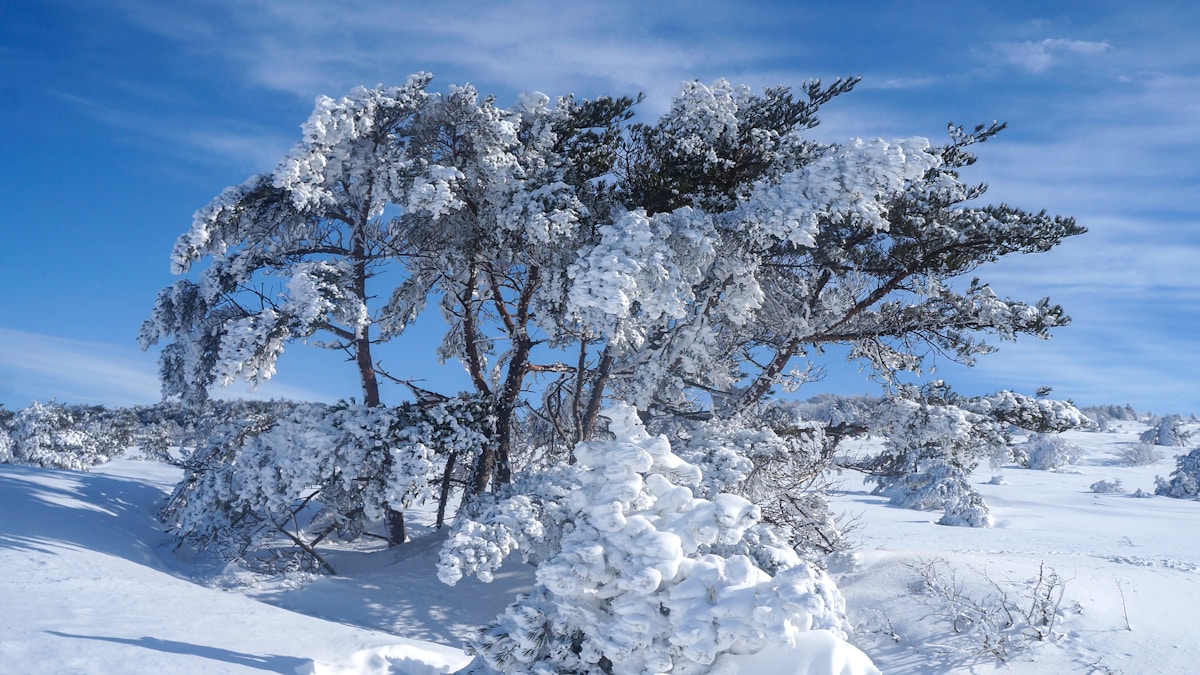
Hallasan - the dormant volcano at the island’s centre - is the highest mountain in South Korea at 1,950 metres. It is the island’s most serious natural attraction and requires preparation.
Trail options and entry: Entry to Hallasan National Park is free. All trails require a prior reservation via the national park website (npark.or.kr) - walk-ins are not permitted on the summit trails. During peak seasons (spring cherry blossom, autumn foliage), reservations fill weeks in advance.
- Seongpanak trail - the standard summit route. 9.6 km one way; allow 4–5 hours up and 3–4 hours down. Hikers must pass the trailhead check-in gate before 09:00 to be permitted to continue to the summit crater lake (Baeknoktam). The trail is gradual and mostly paved in the lower sections; the upper section becomes rougher.
- Eorimok trail - 4.7 km to the Witseoreum shelter on the northwest side. Does not reach the summit but offers sweeping ridge views and is suitable for hikers who want a shorter day. Cut-off: 12:00.
- Yeongsil trail - 3.7 km through dramatic rock formations on the southwest side. Scenic and relatively accessible. Does not reach the summit.
- Donnaeko trail - 9.1 km (south approach). Accesses Witse Oreum crater area rather than the main summit.
What to bring: Water, snacks, and layered clothing. The mountain weather changes quickly and the summit is often significantly cooler than Jeju City. The Jindallaebat Shelter at 1,500 metres has basic supplies but cannot be relied on. Sturdy footwear is essential on the upper Seongpanak section.
Seongsan Ilchulbong (Sunrise Peak)
One of Jeju’s most photographed landmarks, Seongsan Ilchulbong is a 180-metre tuff cone formed by an underwater volcanic eruption around 5,000 years ago. It sits at the eastern tip of the island, connected to the mainland by a causeway.
- Entry fee: approximately KRW 5,000 for adults (as of 2026)
- Opening hours: approximately 07:00–20:00 (reduced in winter - confirm on arrival)
- Hike time: 20–25 minutes to the crater rim
The view from the crater rim takes in the ocean on three sides and the green interior of the volcanic cone below. Seongsan Ilchulbong is UNESCO-listed as part of the Jeju Volcanic Island and Lava Tubes World Heritage Site.
At the base, haenyeo diving demonstrations run at set times during the morning and early afternoon. The exact schedule is posted near the entrance - arrive early to confirm times. After the performance, haenyeo sell freshly caught seafood from small stalls at market prices.
Manjanggul Lava Tube
One of the world’s longest lava tube systems, Manjanggul stretches 13.4 km. Visitors access a 1 km section of the main tube on a flat, paved path.
- Entry fee: approximately KRW 4,000 for adults (as of 2026)
- Opening hours: 09:00–18:00 (last entry 17:00); closed some Tuesdays - check before visiting
- Location: northeastern Jeju, about 30 km from Jeju City
The interior temperature stays around 11°C year-round - bring a light layer regardless of surface temperature. The highlight is the 7.6-metre lava column near the far end of the open section, one of the tallest lava columns in the world. UNESCO listed.
Jeju Folk Village Museum
A reconstruction of traditional Jeju village life set on a 100,000 square metre site on the eastern coast near Seongsan.
- Entry fee: approximately KRW 11,000 for adults (as of 2026)
- Opening hours: 08:00–18:00 (09:00–17:00 in winter)
The village includes around 100 traditional thatched-roof stone houses (doldam), workshops demonstrating traditional crafts, and exhibits on haenyeo culture, farming, and fishing. Costumed staff demonstrate traditional activities at scheduled times. The thatched architecture and basalt stone walls are distinctive to Jeju and differ markedly from mainland Korean village styles.
Loveland
An outdoor sculpture park on the western edge of Jeju City featuring around 140 sculptures on an adult theme. It is unusual, frequently crowded with Korean domestic tourists, and a consistent entry on any local list of things to do.
- Entry fee: approximately KRW 12,000 for adults (as of 2026)
- Opening hours: 09:00–24:00
- Age restriction: 18 and over
The gardens are well-maintained. The spectacle is the sculptures rather than any educational content. It takes around 60–90 minutes to walk through.
Osulloc Tea Museum
Located in the Hallim area on the western side of the island, Osulloc is South Korea’s largest green tea plantation. The museum is free to enter and covers Korean tea culture and the history of the Osulloc brand.
- Entry fee: Free
- Opening hours: 09:00–18:00
The viewing terrace overlooks the terraced green tea fields. The café inside serves tea-based drinks and desserts - the green tea ice cream and green tea lattes are widely ordered. The adjoining Innisfree Jeju House (across the road) covers the cosmetics brand’s connection to Jeju ingredients and is also free.
The western Jeju area around Hallim - which includes the tea museum, Hyeopjae Beach, and Hallim Park - makes for a logical half-day loop from Jeju City.
Tangerine Picking at Jeju Farms
Jeju Island produces the majority of South Korea’s citrus, and tangerine picking experiences are available at farms across the island from around October through February when the fruit is in season.
- Typical cost: KRW 5,000–10,000 per person, often including some fruit to take home (as of 2026)
- Season: October to February (hallabong variety available January–February)
Most farms near Jeju City run informal picking sessions without advance booking required during the season. The experience is straightforward - pickers move through the orchard rows selecting ripe fruit. The hallabong variety (a hybrid with a distinctive knob-shaped top) is larger and sweeter than standard tangerines and has its own harvest window.
Outside the picking season, Jeju tangerine products - juice, dried slices, jam, beer, and chocolate - are available year-round at markets and tourist shops.
Haenyeo Diving Demonstrations
Jeju’s haenyeo are female free-divers who harvest seafood from the sea floor without breathing equipment. The tradition is centuries old, UNESCO-listed, and specific to Jeju Island and a small number of other coastal communities in Korea.
Working haenyeo still operate along the Jeju coast, though numbers have declined significantly from their peak. The most accessible demonstrations for visitors are:
- Seongsan Ilchulbong base: Timed performances in the morning (check schedule at the entrance). After the performance, haenyeo sell fresh catch at stalls - sea urchin, abalone, and shellfish at market rates.
- Udo Island: A small island accessible by ferry from Seongsan, where haenyeo still work and sell seafood at the pier.
Organised haenyeo experience tours are also available for those who want to observe active diving in a more detailed setting - see Jeju Island tours and activities for current options.
Udo Island
A 15-minute ferry from Seongsan Port, Udo Island is a small flat island of about 6 km². It can be explored by bicycle, electric scooter, or electric buggy (hire available at the ferry dock). The eastern beach - Seobin Baeksa - is unusual for Jeju in having white coral sand rather than black volcanic sand.
- Ferry: Runs frequently from Seongsan; approximately KRW 15,000 return including vehicle fee (check current rates)
- Best visited: weekdays; summer weekends are very crowded
The island takes 2–3 hours to circle by bicycle. Cafés and seafood restaurants line the roads near the dock. Udo peanut products (ice cream, hummus, snack bars) are the local speciality.
Jeju Olle Trails
The Olle Trail network covers 437 km in 26 routes loosely following the island’s coastline. Individual sections (typically 10–20 km) can be walked in a day. The trails are marked with orange-and-blue ribbons tied to posts and use a small cartoon horse as a waymarker figure.
- Section 1 (Seongsan to Seopjikoji): 15 km, 4–5 hours. Coastal scenery past canola fields (spring) and volcanic headlands.
- Section 10 (Hwasun to Modeungpo): 15.6 km along the quieter west coast.
The official Olle Trail app lists all routes with maps and waypoints. Completing a section gives access to a stamp at the Olle stamp post at the end - many walkers collect stamps across sections on repeat visits.
For guided island tours and experiences across Jeju, advance booking is recommended during peak spring and autumn seasons.