Jeju’s food identity is more distinct from mainland Korean cuisine than most visitors expect. The island’s volcanic geography shaped a culinary tradition that centres on coastal seafood, native livestock, and a specific set of produce - particularly the hallabong tangerine and the gamgyul mandarin - that don’t grow in the same quality anywhere else in Korea. The haenyeo diving tradition has directly shaped the menu: abalone, sea urchin, conch, and other shellfish appear in forms and preparations that reflect centuries of female free-diving culture.
For the full island travel context, see our Jeju Island guide. For where to base yourself, see where to stay in Jeju.
Heukdwaeji - Jeju Black Pork BBQ
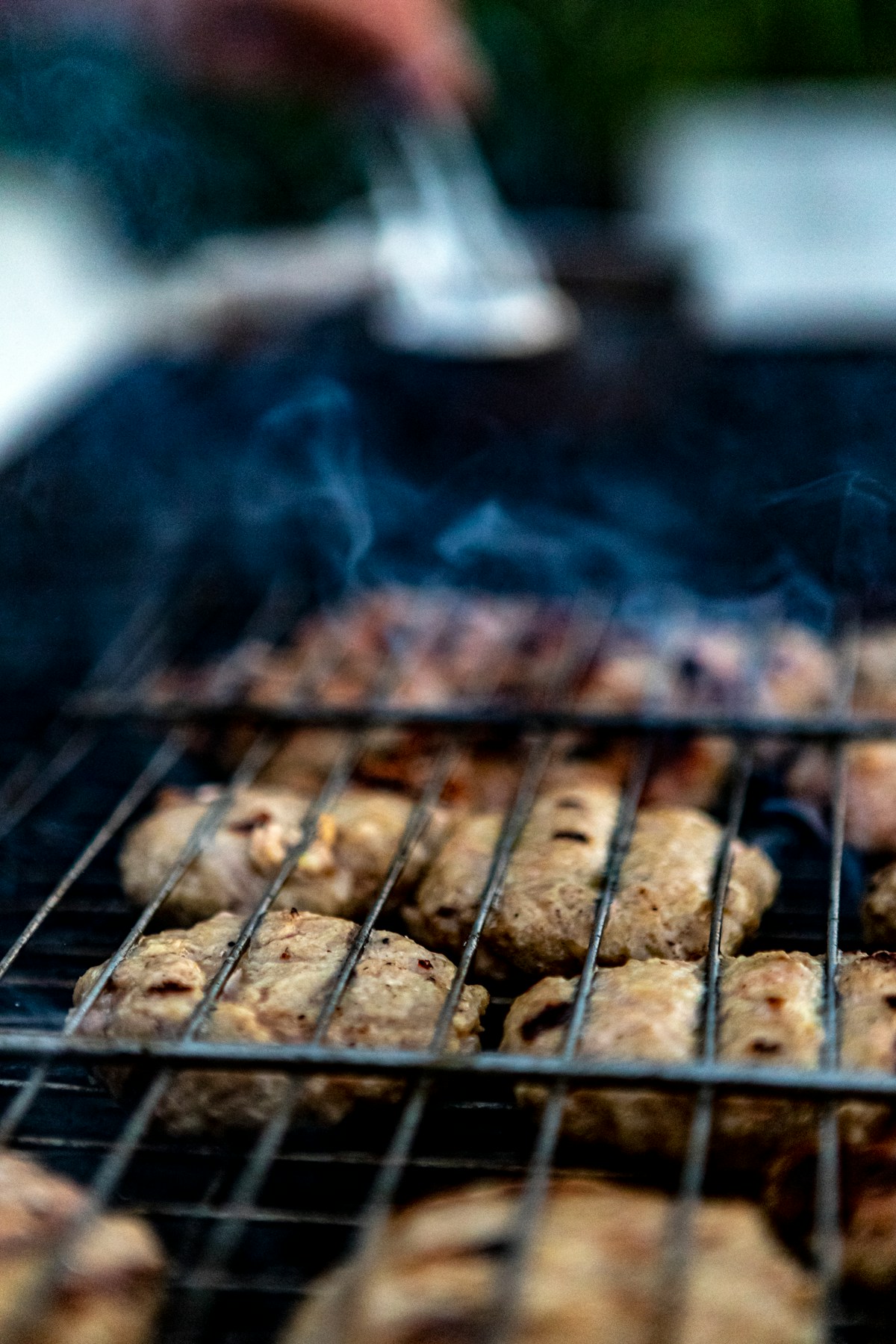
The centrepiece of any Jeju food trip. Heukdwaeji (black pork) is a native Jeju pig breed - smaller than the standard Korean white pig, with darker skin and a more intense, savoury fat that stands up well to wood-fire and charcoal cooking. Restaurants grill it over wood fire rather than gas, which adds a smokier flavour profile than most mainland Korean BBQ.
A full heukdwaeji meal includes the meat served with ssamjang paste, garlic, green onion salad, kimchi, and rice. The standard cut served is samgyeopsal (pork belly), with some restaurants also offering moksal (neck) and dwaeji galbi (ribs).
Pricing: Approximately KRW 25,000–40,000 per person as of 2026, excluding drinks. Restaurants marketing themselves to tourists tend to sit at the higher end of that range.
Where to eat it:
- The streets immediately around Dongmun Traditional Market in Jeju City have a dense cluster of heukdwaeji restaurants, including Heukdon (well-reviewed, expect queues on weekends) and Gaeun Heukdwaeji Gui.
- The Hyeopje-ro strip in the Nohyeong-dong area of Jeju City is known locally as “Black Pork Street” and has multiple restaurants competing on price and quality.
- Seogwipo has several restaurants specialising in heukdwaeji near the waterfall areas.
Jeonbok Juk - Jeju Abalone Porridge
Slow-cooked rice porridge made with fresh Jeju abalone, sliced thinly and added during the final stage of cooking so it remains tender. The flavour is mild and nourishing - oceanic but not intensely fishy. A bowl of jeonbok juk is the standard breakfast at coastal restaurants and ferry terminals across the island.
Pricing: Approximately KRW 18,000–30,000 per bowl as of 2026. Premium versions using larger abalone command higher prices.
Where to eat it:
- Jeju Haenyeo Village restaurants near Seongsan Port and Udo Island serve fresh abalone at stalls alongside other haenyeo-caught seafood.
- The Seogwipo Maeil Olle Market has seafood restaurants serving jeonbok juk alongside raw seafood plates.
- Dedicated porridge restaurants (jukjip) in Jeju City near Dongmun Market serve it as a morning speciality.
Hoe - Raw Seafood Platters
Jeju’s haenyeo harvest directly from the sea floor - sea urchin (uni), abalone, turban shell, sea cucumber, and various shellfish appear fresh at stalls and restaurants. Hoe (raw sliced fish and seafood served with sauces) is a Korean tradition, but Jeju’s version uses species specific to its waters.
Haenyeo seafood stalls: Found near Seongsan Ilchulbong after the diving demonstrations, and along the coast near Udo Island. Pricing varies by the haenyeo selling directly - expect to pay approximately KRW 10,000–25,000 for a small plate of freshly harvested seafood as of 2026.
Raw seafood restaurants: Full hoe restaurants in Seogwipo and at the Jeju City fish market serve large platters combining multiple species. Prices for a two-person seafood platter run approximately KRW 40,000–80,000 depending on the species included (sea urchin and abalone push the price up).
Momil Guksu - Jeju Buckwheat Noodles
A Jeju-specific noodle dish - thin buckwheat noodles in a clear, slightly nutty broth, served cold or warm. Momil guksu appears in traditional Jeju village cooking and has fewer restaurants dedicated to it than the more prominent dishes, but it appears as a set menu item at Jeju Folk Village Museum restaurants and traditional Korean meal restaurants across the island.
Pricing: Approximately KRW 9,000–13,000 per bowl as of 2026.
Hallabong and Gamgyul - Jeju Citrus
Jeju’s tangerine industry is significant - the island produces around 90% of South Korea’s citrus. The hallabong variety (a hybrid with a distinctive knob at the top, larger and sweeter than standard tangerines) is in season from late January through February and is considered the premium product. Standard gamgyul tangerines run from October through February.
In season: Fresh fruit is available directly from roadside stalls and farm shops across the island. Picking experiences at farms cost approximately KRW 5,000–10,000 as of 2026 - see things to do in Jeju for more detail.
Year-round: Tangerine products - juice, dried slices, chocolate-coated rinds, jam, vinegar dressing, and hallabong beer - are available at every tourist shop and market on the island.
Hallabong beer: A citrus-flavoured craft beer using hallabong peel. Available at convenience stores and some restaurants across the island. Mild and sessionable; the orange note is subtle rather than artificial.
Dongbang Tofu Jjigae
A Jeju variation on the Korean soft tofu stew (soondubu jjigae), using local Jeju tofu. The island has several well-regarded tofu producers, and the stew is considered slightly richer and smoother in texture than mainland versions. Not as prominent a tourist attraction as black pork or abalone, but a reliable and inexpensive meal option.
Pricing: Approximately KRW 8,000–12,000 per bowl as of 2026.
Dongmun Traditional Market
Dongmun Market in central Jeju City is the most useful food destination for first-time visitors - it covers everything from raw seafood and produce to prepared Jeju street food and souvenir products in one walkable area.
Inside the market: Dried seafood, kimchi, hallabong products, black pork, and Jeju-specific snacks including gamgyul citrus candy and Jeju chocolate.
Market street food: Look for gamgyul-flavoured ttok (rice cakes), haenyeo-caught shellfish sold at small stalls, and fresh gamgyul juice pressed to order.
Market hours: Open daily from approximately 07:00–22:00; the fresh seafood section is busiest in the morning.
The streets immediately around Dongmun - particularly to the north and east - have the highest concentration of heukdwaeji restaurants and seafood restaurants serving full hoe platters.
Seogwipo Maeil Olle Market
A covered market near Seogwipo’s harbour with a mix of fresh produce, local food vendors, and Jeju souvenirs. The atmosphere is less tourist-heavy than Dongmun and more oriented toward local shopping. Good for buying fresh hallabong in season, local vegetables, and seafood at market rates. A handful of small eateries inside the market serve basic Jeju dishes.
Food Tours and Cooking Classes
Jeju-specific food tours and cooking classes are available through local operators. Organised experiences typically include a market visit, cooking a Jeju dish (abalone porridge or buckwheat noodles are common), and a tasting session. See Jeju Island tours and experiences for current options and advance booking.