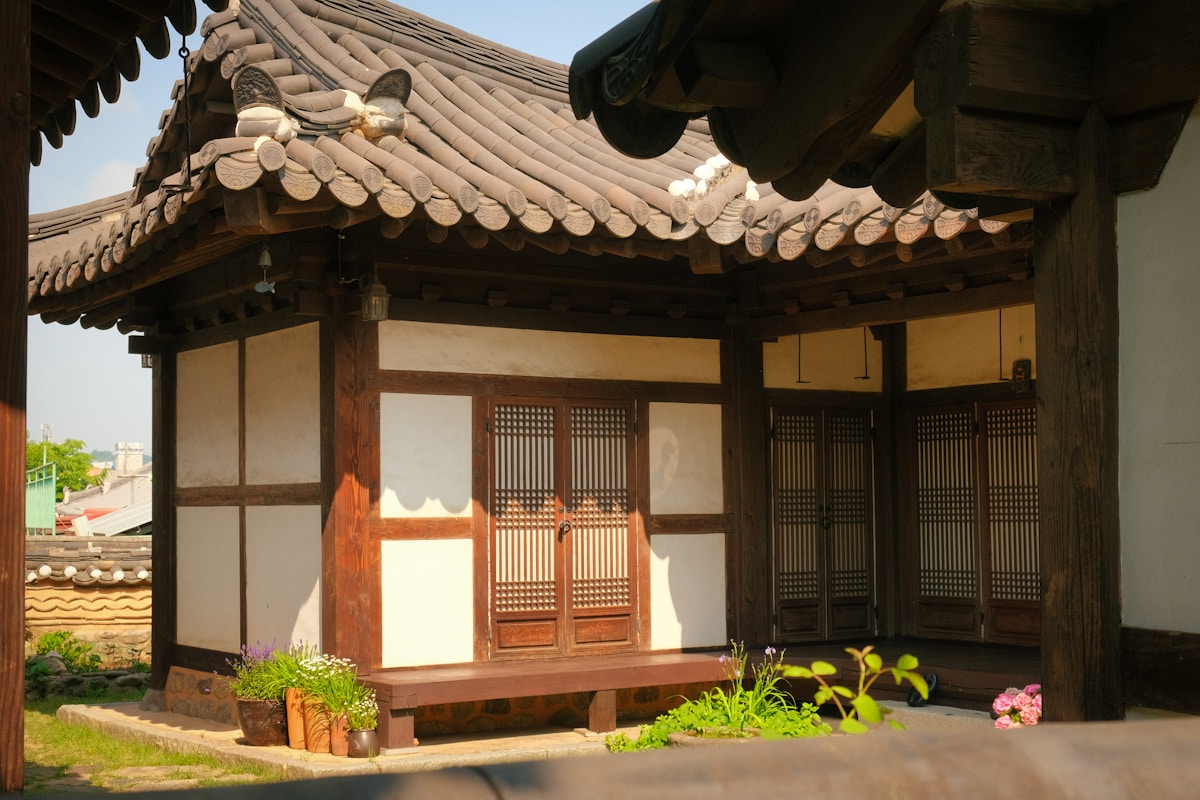
Jeonju and Daegu are not the cities most travellers put on their Korea itinerary - they go to Seoul, Busan, and Jeju. That makes both of these cities relatively uncontested ground, which is exactly why they are worth visiting. Jeonju is South Korea’s most important traditional food city and holds one of the country’s best-preserved living hanok villages. Daegu is a large, energetic inland city with an excellent traditional market, a mountain hiking scene, and a food culture that is spicier and more intense than almost anywhere else in the country.
At a Glance
| Factor | Jeonju | Daegu |
|---|---|---|
| Best for | Traditional food, hanok architecture | Markets, Palgongsan, spicy street food |
| Daily budget (mid-range) | 85,000–135,000 KRW | 90,000–140,000 KRW |
| From Seoul | KTX ~1h 50min, from 28,600 KRW | KTX ~1h 40min, from 43,500 KRW |
| Between cities | Bus ~2 hours, ~15,200 KRW | Same |
| Key sight | Jeonju Hanok Village | Seomun Market, Palgongsan |
| Food highlight | Bibimbap, kongnamul gukbap, makgeolli | Makchang, jjim galbi, napja ttuk |
Quick verdict: Jeonju is the better choice for food pilgrims focused on traditional Korean cuisine and hanok architecture. Daegu is the better choice for market exploration, mountain hiking, and experiencing a large Korean city with a distinct regional identity. Both are rewarding; visiting both in the same trip is straightforward via the intercity bus.
Jeonju: Food Capital and Hanok Village
Jeonju’s reputation as Korea’s food capital is earned. The city’s bibimbap - rice topped with sautéed and seasoned vegetables, gochujang paste, and a fried or raw egg - is considered the archetype. The version served in Jeonju uses local namul (seasoned greens), bibimbap soy sauce, and rice steamed with a particular care that local restaurants guard carefully. A bowl at one of the traditional restaurants in the hanok village costs around 12,000–14,000 KRW; the experience of eating it in a 19th-century room while the morning light comes through paper screens is the kind of thing people come back to describe years later.
Jeonju Hanok Village holds around 700 traditional Korean houses across a 44-hectare district in the centre of the city. Unlike many preserved heritage areas in Asia that are essentially outdoor museums, Jeonju’s hanok village is still inhabited and commercially active - residents live alongside the cafes, craft shops, makgeolli bars, and hanok guesthouses that have developed organically over the past two decades.
The Gyeonggijeon Shrine at the village’s northern edge holds a portrait of King Taejo, founder of the Joseon dynasty. The Jeonju Hyanggyo Confucian School, nearby, holds regular traditional ceremony performances. The Jeonju Catholic Cathedral - built in 1914 in French Romanesque style - stands unexpectedly at the hanok village entrance and marks the site where Korean Catholics were martyred during 19th-century persecution.
The evening makgeolli (rice wine) culture is another reason to stay overnight. The tradition in Jeonju is that makgeolli is served by the kettle with a series of free side dishes (anju) that multiply as you order more rounds. The bill covers the makgeolli; the food is complimentary. Several makgeolli bars have been operating this way for decades.
Where to Stay in Jeonju
- Lahan Hotel Jeonju - from approximately 130,000 KRW per night, contemporary hotel near the hanok village
- Jeonju Core Riviera Hotel - from approximately 90,000 KRW, comfortable mid-range option
- Hakindang Guesthouse - from approximately 80,000 KRW, traditional hanok stay in the village
- Jeonju Guesthouse Seohak - from approximately 35,000 KRW per room, budget option with traditional character
Where to Eat in Jeonju
- Gajok Hoegwan - the benchmark Jeonju bibimbap restaurant, from around 12,000 KRW
- Hankuk Jip - kongnamul gukbap (soybean sprout soup with rice), from approximately 9,000 KRW, open from early morning
- Hanok Village makgeolli bars - rice wine by the kettle from approximately 10,000–15,000 KRW, free anju included
- Nambu Market - bindaetteok, hotteok, and street snacks from 3,000–5,000 KRW per item
Daegu: Markets, Mountains, and Heat
Daegu is a city that rewards those willing to push into its layers. On the surface it can seem functional - a large Korean city of 2.4 million with standard urban infrastructure. The depth is in Seomun Market, in the Makchang Alley near Jung-gu, and in the Palgongsan trails that begin at the city’s northern edge.
Seomun Market is the largest traditional market in Korea outside Seoul’s Namdaemun. It is a covered complex of around 4,000 stalls and has been operating continuously since the Joseon era. The textile section alone occupies a significant portion of the market - Daegu was Korea’s textile manufacturing capital for much of the 20th century, and the trade still runs through Seomun. The food section operates separately; evening market lanes open with rotating vendors selling Daegu specialities.
Makchang Alley (near the Jung-gu subway area) concentrates the restaurants specialising in makchang - pork and beef intestines grilled over charcoal, served with salt and sesame oil. It is an acquired taste that is deeply embedded in Daegu’s food culture and the subject of genuine local pride. A full spread with rice, soup, and side dishes costs approximately 15,000–22,000 KRW per person.
Palgongsan Mountain rises north of the city and holds the famous Gatbawi rock Buddha - a carved figure in a stone hat who is believed to grant wishes, with exam-success wishes being the most common offering. The mountain is accessible by cable car or on foot; autumn foliage here is among the best in the region.
Donghaksa Temple in Palgongsan and Haeinsa Temple (slightly further, in Gayasan National Park to the west) are both major Buddhist complexes worth a dedicated trip.
Where to Stay in Daegu
- InterContinental Daegu (Suseong-gu) - from approximately 180,000 KRW per night, the city’s top international option
- Hotel Lotte Daegu (Dongdaegu area) - from approximately 130,000 KRW, near the KTX station
- HOTEL1 Daegu Station - from approximately 75,000 KRW, functional mid-range option
- Daegu Backpackers - from approximately 30,000 KRW per dorm bed, budget-friendly near the station
Where to Eat in Daegu
- Makchang Golmok restaurants - grilled intestines from approximately 12,000–18,000 KRW per portion
- Jjim galbi restaurants (Dalseong-gun) - braised beef short ribs from approximately 15,000–22,000 KRW
- Napja ttuk stalls (Seomun Market) - twisted Daegu-style rice cakes from approximately 3,000–5,000 KRW
- Dongseongno pojangmacha - outdoor tent bars with spicy food and soju from approximately 10,000–15,000 KRW per person
Getting Between Jeonju and Daegu
The intercity bus is the most practical option. From Jeonju Bus Terminal, express buses depart for Daegu Bukbu Bus Terminal approximately every 30–60 minutes. Journey time is approximately 2 hours. Fare: approximately 15,200 KRW as of 2026. The bus terminal in Jeonju is about 3 kilometres from the hanok village by taxi.
Alternatively, KTX from Jeonju to Iksan, then a connecting service to Dongdaegu - total time approximately 2h 30min to 3 hours depending on connection, and more expensive than the bus. The bus is clearer and simpler.
Season Recommendations
Jeonju: Spring and autumn are optimal. The hanok village in late March (when plum blossoms appear in the nearby Arboretum) and October (quieter crowds, warm afternoons) are both outstanding. Avoid Jeonju’s hanok village on summer weekend afternoons when it becomes extremely crowded with domestic tour groups. Daegu: Spring and autumn strongly recommended - Daegu summers are the hottest in Korea, regularly exceeding 35°C. Palgongsan’s autumn foliage peaks around mid-October.
Book guided tours and activities in Jeonju through GetYourGuide.
Pick up an eSIM for South Korea through Airalo to stay connected.
Explore Each City
- Jeonju travel guide - hanok village, bibimbap, makgeolli culture, and where to stay overnight
- Jeonju food guide - the definitive guide to eating in Korea’s food capital
- Daegu travel guide - Seomun Market, Yangnyeongsi herb district, and Palgongsan hiking
- Daegu food guide - galbitang, market food, and the gopchang alley