Jeonju Travel Guide: Hanok Village, Bibimbap & Korea's Food Capital
Eat bibimbap where it originated, wander 800 hanok rooftops, drink makgeolli in street alleys, and tour a Joseon royal shrine - all in Jeonju.
Guides for Jeonju
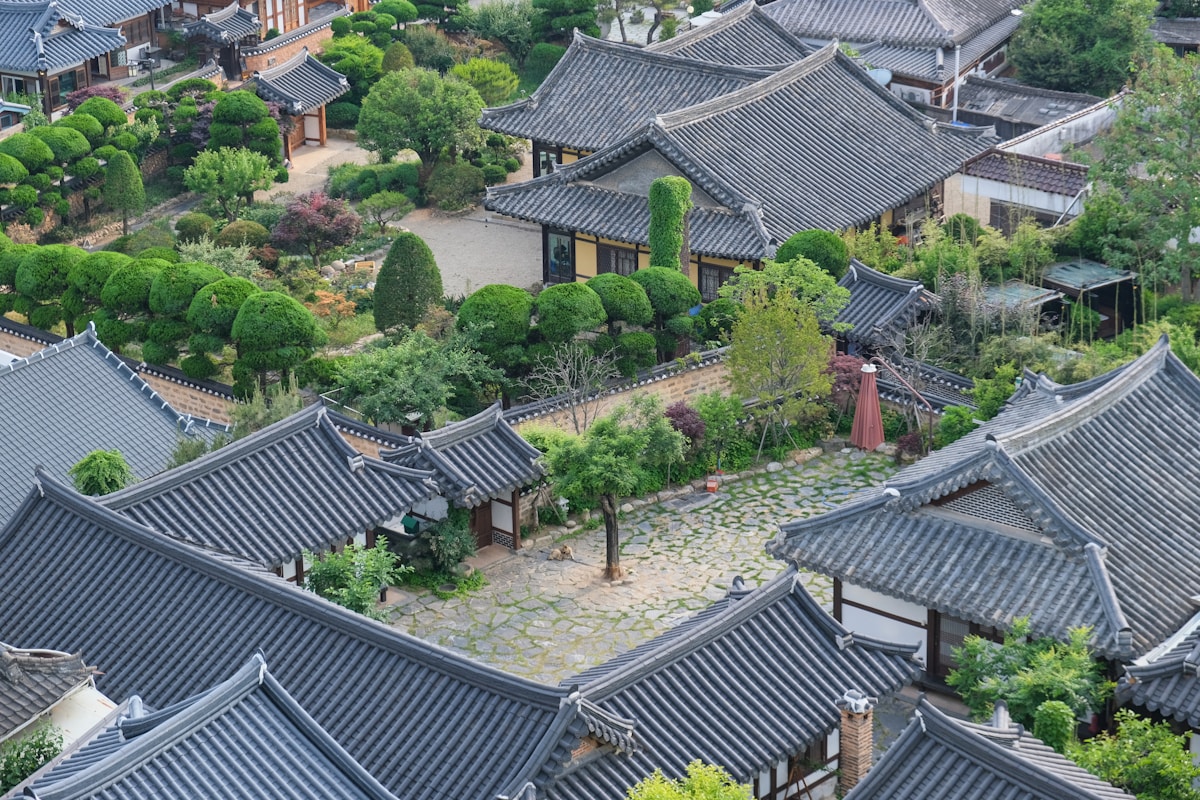
Jeonju is the capital of North Jeolla Province (Jeollabuk-do) and the city most associated with traditional Korean food and architecture. Its Hanok Village holds around 800 intact traditional houses, making it one of the best-preserved urban hanok districts in the country. The city also claims the original recipe for bibimbap and has a serious culinary reputation that draws Korean domestic tourists as much as international visitors.
The city of around 650,000 people is compact and navigable. It lacks the scale of Seoul or Busan but rewards visitors who slow down and engage with its food, craft, and cultural character.
Getting to Jeonju
From Seoul: KTX trains from Seoul Station reach Jeonju Station in around 1 hour 45 minutes. Standard trains take 2.5–3 hours. Express buses from Seoul’s Central City Bus Terminal take 2.5–3 hours and run frequently; they often arrive closer to central Jeonju than the train station.
From Busan: Intercity buses take around 2.5–3 hours. Direct trains are less convenient - the route typically requires a change.
Getting around: Jeonju Hanok Village is a 20-minute walk from the station or a short taxi ride. The main tourist areas are walkable once you are in the village.
Jeonju Hanok Village
Jeonju Hanok Village (전주한옥마을) is the city’s centrepiece and the reason most international visitors come here. It is one of the largest intact urban hanok districts in South Korea: around 800 traditional tile-roofed houses (hanok) remain in the Gyodong and Pungnam-dong neighbourhoods, covering an area of roughly 5 square kilometres.
Unlike the more sanitised open-air folk villages elsewhere in Korea, Jeonju Hanok Village is a functioning residential area. People live here. Schools, temples, and convenience stores operate among the guesthouses and craft workshops. This gives it a texture that preservation-only villages lack.
Key streets: The main tourist spine runs along Taejo-ro from Nambu Market north toward Gyeonggijeon Shrine. Eunhaengno (Ginkgo Tree Street) is quieter and lined with cafes housed in converted hanok. The alleys behind Jeonju Hyanggyo (the Joseon-era Confucian school) are less visited and reward wandering.
When to go: Weekday mornings (08:00–10:00) before tour groups arrive give the best access to the village’s residential character. Weekends between 10:00–16:00 are the busiest periods — still very worth visiting, but the atmosphere shifts noticeably. Evening is the other sweet spot: lanterns light the main streets after dark, and the village becomes quieter as day-trippers leave.
Hanbok rental: A significant local industry has grown around hanbok (traditional Korean dress) rental within the village. Around 30–40 rental shops operate here, with full outfits costing approximately KRW 15,000–25,000 for a two-hour rental as of 2026. Wearing hanbok in the village is culturally accepted and means free entry to Gyeonggijeon Shrine.
Gyeonggijeon Shrine: Built in 1410 to house a royal portrait of Taejo (the founder of the Joseon dynasty), the shrine complex is the historical anchor of the village. Entry is approximately KRW 3,000 for adults (free with hanbok). The garden has mature old trees and is one of the calmer spots in the village.
Staying overnight in the hanok village: Several guesthouses within the village offer traditional ondol rooms — heated floor sleeping on a thin mattress, courtyard views, and a breakfast of porridge or traditional Korean rice dishes. Prices start from approximately KRW 80,000–120,000 per night as of 2026. Book at least 1–2 weeks ahead for weekend stays; rooms are small and fill quickly. Hakindang and Choidaega are among the most consistently reviewed options.
Morning and evening are the best times to visit - the weekend crowds peak between 10:00 and 16:00, and the character of the village shifts once tour groups leave.
Key Sights
Jeondong Cathedral - a red-brick French Gothic church built in 1914, unusual in the Korean architectural landscape and particularly striking from the hill above the hanok village. It sits on the site of executions of Korean Catholics during 19th-century persecutions.
Gyeonggijeon Shrine - a royal shrine complex built in 1410 to house a portrait of Taejo, the founder of the Joseon dynasty. The surrounding garden and its large old trees make it one of the quieter, more contemplative spots in the village. Separate admission.
Omokdae Hill - a small hill above the hanok village with good elevated views over the rooftops. A short walk from the main village streets.
Jeonju Hanji (Paper) Museum - dedicated to hanji, the traditional Korean mulberry paper produced in the region. Craft workshops are available for visitors who want to try the papermaking process.
Where to Stay in Jeonju
For accommodation options across all budgets, see our Jeonju hotels guide.
Food and Drink
Jeonju’s food reputation is national in scale. Bibimbap restaurants cluster around the hanok village, and the quality is generally high compared to versions served elsewhere in Korea. Look for the stone pot version (dolsot bibimbap) if you want the rice to crust at the bottom.
The makgeolli taverns (makgeolli-jip) in Jeonju follow a tradition of serving free side dishes (anju) with the rice wine - the number and quality of these side dishes is a point of local pride. The Samcheon-dong area south of the hanok village has a concentration of these taverns.
Gukbap (rice and meat broth soup) and kongnamul gukbap (bean sprout broth with rice) are Jeonju staples for breakfast or as a late-night restorative.
Find food tours and cultural experiences in Jeonju for a structured introduction to the city’s culinary scene.
Plan Your Jeonju Trip
- Things to do in Jeonju - Hanok Village, Gyeonggijeon Shrine, hanji workshops, and more
- Best hotels in Jeonju - Hakindang, Choidaega, Hotel Ramada, and budget options
- Jeonju food guide - bibimbap, kongnamul gukbap, makgeolli, and Nambu Market
For a deeper dive into Jeonju’s distinctive cuisine, our dedicated Jeonju food guide covers the full breadth of dishes, markets, and where to eat well on any budget.
Comparing Jeonju with other Korean cities? Our Gyeongju vs Jeonju comparison covers which heritage city to prioritise if you have limited time, and our Jeonju vs Daegu comparison looks at two cities that often get overlooked in favour of the main tourist circuit.
Upcoming Events in Jeonju
Jinju Lantern Festival 2026
Jinju Lantern Festival 2026 runs 3 to 12 October on the Nam River. Paper lanterns mark the 1592 Battle of Jinju: tickets, schedule, and how to get there.
Frequently Asked Questions
- How far is Jeonju from Seoul?
- The KTX from Seoul to Jeonju takes approximately 1 hour 45 minutes. Buses from Seoul's Central City Bus Terminal take around 2.5–3 hours and cost less. Jeonju is generally considered an easy overnight trip from Seoul.
- Is Jeonju Hanok Village still a real neighbourhood?
- Yes - around 800 traditional hanok buildings remain in active use, and the village functions as a residential area alongside its tourism role. There are residents, schools, and temples operating within it. It is more lived-in than equivalent preservation projects in some other countries.
- What food should I try in Jeonju?
- Bibimbap is the main draw - Jeonju's version uses a stone pot (dolsot), local short-grain rice, and a specific set of toppings. Makgeolli (rice wine) produced in Jeonju is also considered among the best in South Korea and is traditionally served with a spread of free side dishes at makgeolli taverns.
- How many hanok are in Jeonju Hanok Village?
- Around 800 traditional hanok (tile-roofed wooden houses) remain in the Gyodong and Pungnam-dong neighbourhoods that make up the village. This makes it one of the largest intact urban hanok districts in South Korea.
- Is Jeonju Hanok Village free to enter?
- Yes - the main village streets are publicly accessible at no charge. Individual attractions within the village have admission fees. Gyeonggijeon Shrine charges approximately KRW 3,000 for adults (free if wearing rented hanbok). The Hanji Paper Museum has a small entry fee for exhibits.
Book an experience
Top experiences in Jeonju
Explore the best tours and activities in Jeonju, with instant confirmation and free cancellation on most bookings.