Where to Stay in Gyeongju: Best Areas for History Lovers
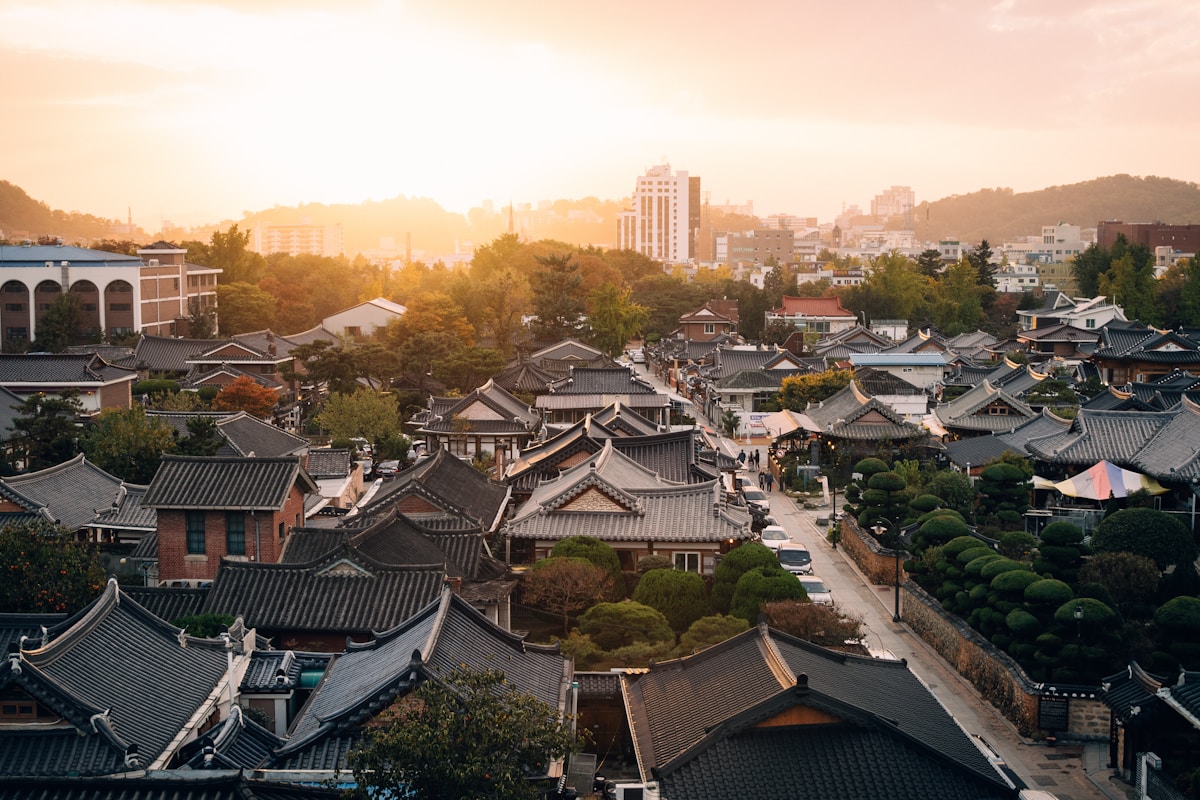
Gyeongju is a compact city but its main accommodation zones have genuinely different characters. The historic core near Tumuli Park is walkable to the main sites. The Bomun Lake resort area has better-equipped hotels but requires transport to reach the heritage attractions. Budget options cluster near Gyeongju Station. Understanding which suits your priorities before booking will save time on arrival.
For specific hotel recommendations, see our best hotels in Gyeongju guide. For what to do while you’re there, see things to do in Gyeongju. For the full city overview, see the Gyeongju travel guide.
Historic Core (Hwangnam-dong and Tumuli Park Area)
Best for: History-focused visitors who want to walk to the sites without transport
The streets immediately around Tumuli Park — particularly Hwangnam-dong and the lanes running south toward Cheomseongdae — have the highest concentration of small guesthouses, pension-style accommodation, and hanok stays in the city. The trade-off is that the properties here are generally smaller and more characterful than the large hotels at Bomun Lake.
From accommodation in this area you can walk to:
- Daereungwon Tumuli Park in 5–10 minutes
- Cheomseongdae Observatory in 10–15 minutes
- Anapji Pond in 15–20 minutes
- Gyeongju National Museum in 15–20 minutes
The streets here have a lower density of convenience stores and restaurants than the Gyeongju Station area, but there are food options within a short walk — particularly along Taepyeong-ro and the street running east of Tumuli Park.
Typical pricing (as of 2026):
- Hanok guesthouses: KRW 80,000–150,000 per night
- Pension-style guesthouses: KRW 60,000–100,000 per night
Hanok stays in the historic core are the distinctive choice for Gyeongju — several families have converted older homes into guesthouses. The buildings are traditional Korean wooden structures with ondol underfloor heating and paper-panelled rooms. Bathrooms are typically shared or a simple en-suite within the building. Advance booking is essential for spring (March–May) cherry blossom season and autumn.
Near Gyeongju Station (Singyeongju / Old Station Area)
Best for: Arrivals by train, budget accommodation, transport connections
There are two Gyeongju train stations. Singyeongju Station (the new KTX station, approximately 8 km west of the city centre) is served by high-speed trains from Seoul and Busan — most intercity visitors arrive here. The immediate area around the station is suburban with limited accommodation directly adjacent; a bus or taxi into the historic core takes 20–25 minutes.
Gyeongju Station (the old local train station, in the city centre near the bus terminal) is closer to the heritage sites and the market area. Budget accommodation — yeogwan guesthouses and business motels — clusters around this station.
Typical pricing near Gyeongju Station (as of 2026):
- Yeogwan guesthouses: KRW 40,000–65,000 per night
- Budget motels: KRW 50,000–80,000 per night
The area around the old station has the most restaurant and convenience store options in the city and is a practical base if price is the primary concern.
Bomun Lake Resort Area
Best for: Families, longer stays, resort facilities
Bomun Lake is about 4 km east of central Gyeongju — a purpose-built tourism zone developed in the 1970s around an artificial lake. It has several large hotels, a folk craft village, a waterpark (open in summer), and resort facilities. The setting is green and quiet compared to the city centre.
The downside: reaching the heritage sites requires a taxi (approximately KRW 8,000–12,000 one way) or the infrequent local bus. It does not suit visitors who want to see the sites on foot or who prefer a shorter transfer between attractions. The upside: larger room sizes, swimming pools, and the lake views are genuinely appealing.
Typical pricing at Bomun Lake (as of 2026):
- Mid-range hotels (Commodore, Hilton): KRW 150,000–280,000 per night
- Luxury properties: KRW 280,000–400,000+ per night
Hanok Stays Near Bulguksa
Bulguksa Temple is 15 km from central Gyeongju in the Toham Mountain area. A small number of hanok guesthouses have opened in the villages near Bulguksa for visitors who want to be close to the temple for early morning access.
This is a niche choice — the surrounding area is quiet and rural with limited restaurant options, and you will need a car or taxi for everything else. Suitable for visitors making Bulguksa a central focus of their trip.
Typical pricing (as of 2026): KRW 80,000–140,000 per night
Booking Advice
Spring cherry blossoms (early April): Gyeongju’s cherry blossom display — particularly along the Bomun Lake perimeter and the Gyeongju stream — draws large Korean domestic crowds. Properties in the historic core and at Bomun Lake book out weeks ahead. Book as early as possible.
Autumn (mid-October): Foliage around Bulguksa and Bomun Lake is attractive and draws similar crowds. Advance booking required.
Weekdays vs weekends: Gyeongju is heavily day-tripper-oriented on weekends, particularly from Busan (1 hour away). Midweek visits are significantly quieter and prices at smaller guesthouses may be negotiated.
Chuseok (Korean Harvest Festival): Gyeongju is one of the most visited destinations for Koreans during Chuseok. If your travel dates overlap, book accommodation months ahead.
For guided heritage tours in Gyeongju including Bulguksa and Seokguram with English-speaking guides, advance booking is recommended in peak season.
Book an experience
Top-rated experiences in Gyeongju Travel Guide
The highest-rated tours and activities in Gyeongju Travel Guide. Book today, cancel free if plans change.
Frequently Asked Questions
- Where should I stay in Gyeongju to be near the heritage sites?
- The area immediately around Tumuli Park (Hwangnam-dong and the historic core streets) puts you within walking distance of the royal tombs, Cheomseongdae Observatory, Anapji Pond, and the National Museum. Guesthouses and hanok stays here are the most convenient option for site-focused visitors.
- Is Bomun Lake worth staying at?
- Bomun Lake is a purpose-built resort zone about 4 km east of the historic core. It has larger hotels and better facilities than the city centre but requires a taxi or bus ride to reach the main sites. It suits visitors who want resort amenities alongside a heritage city visit.
- Can I walk to Bulguksa Temple from central Gyeongju?
- No — Bulguksa is 15 km from central Gyeongju, about 40 minutes by city bus or KRW 15,000–18,000 by taxi. It is accessible as a day trip from any area of the city but not on foot. If Bulguksa is a priority, staying near the bus terminal makes access simpler.
Sorted your stay?
Here's how to get there — and get around once you arrive.
Airport Transfer
Fixed-price airport pickup to Gyeongju Travel Guide — driver meets you at arrivals, no haggling.
Book a Transfer →We may earn a small commission — at no extra cost to you.