Where to Stay in Gwangju: Best Hotels and Guesthouses
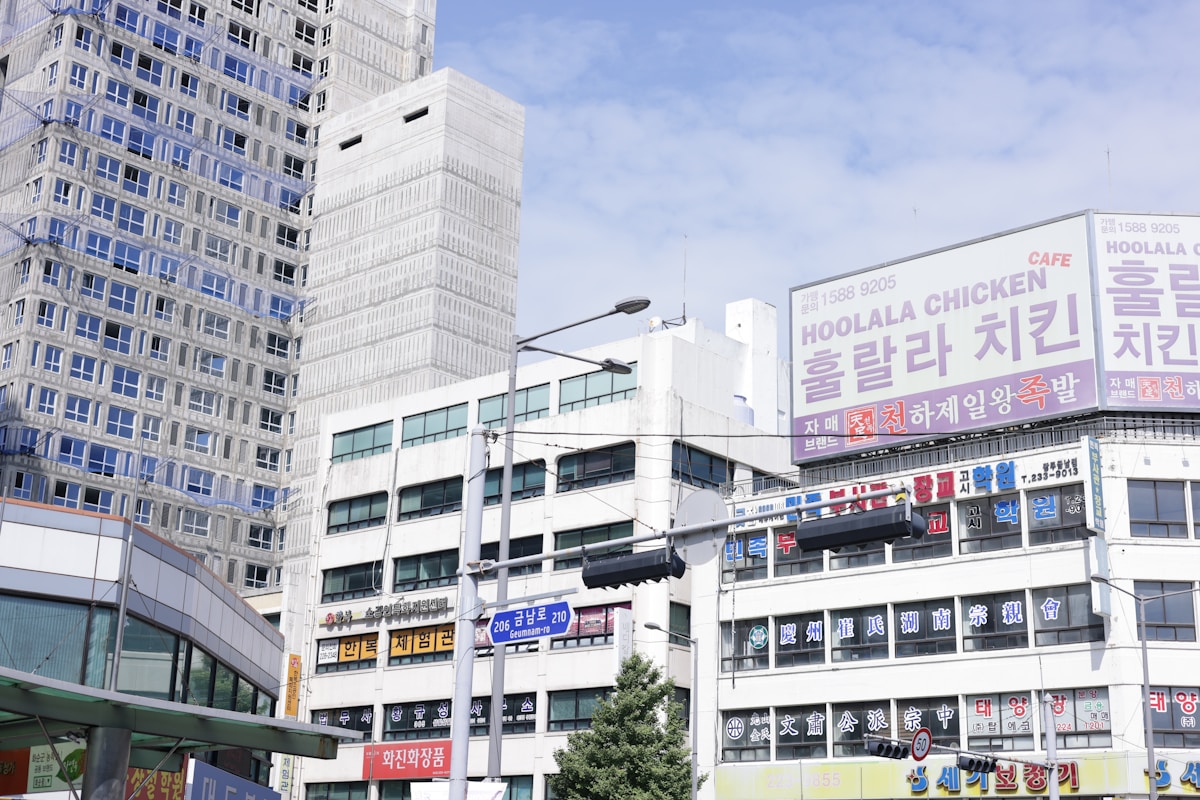
Gwangju is South Korea’s sixth-largest city and its cultural capital in ways that Seoul tends to overlook. Home to the Asia Culture Center, a thriving art and food scene, and the solemn legacy of the May 18th Democratic Uprising, it draws a mix of domestic cultural tourists, Biennale visitors, and travellers passing through the southwest. Accommodation is generally better value than in Seoul or Busan, and the city is compact enough that location matters less than it might elsewhere.
Where to Base Yourself
Gwangju’s central district - the area around Geumnamno (금남로), the main boulevard - puts most sights within walking distance or a short bus ride. The Gwangju Biennale Hall and National Asian Culture Complex are both within 2–3 kilometres of the city core. The Dongmyeong-dong neighbourhood is Gwangju’s answer to Seoul’s Hongdae: indie cafes, art galleries, small music venues, and younger guesthouses.
Budget Stays
Guesthouses in Dongmyeong-dong cluster around the art district and university area. Basic private rooms in locally run guesthouses run approximately KRW 30,000–50,000 per night as of 2026. Shared bathrooms are common at the lower end. These properties often appeal to travellers visiting the Gwangju Biennale (held biennially in autumn) and those interested in Gwangju’s design and arts scene.
Budget business hotels near Gwangju Station - the older mainline station in the north of the city - offer clean, functional rooms from approximately KRW 40,000–65,000 per night as of 2026. Amenities are minimal but private bathrooms and free Wi-Fi are standard. This area is less atmospheric than the centre but is convenient if you’re arriving by intercity bus or train.
Gwangju Songjeong Station area (KTX station in the east) has a cluster of newer business hotels that opened in the mid-2010s following the high-speed rail connection to Seoul. Rooms here typically start at KRW 55,000–75,000 as of 2026. The area is functional rather than interesting, but the 10-minute taxi ride to the centre is inexpensive.
Mid-Range Hotels
Ramada Plaza Gwangju is one of the most consistent mid-range options in the city, with rooms typically ranging from KRW 100,000–160,000 per night as of 2026. It sits close to Geumnamno and the May 18th National Cemetery area, with a rooftop bar popular with domestic business travellers. English-speaking staff, a gym, and reliable Wi-Fi.
Hotel Lak-Gung and similar locally branded mid-tier hotels offer comfortable rooms in the KRW 80,000–120,000 range as of 2026. Design varies; some have been recently renovated while others are showing their age. Reading recent reviews on Naver or Booking.com is worth the five minutes.
Gwangju Hanok Guesthouses: A small number of traditional hanok guesthouses operate in the older residential districts west of the city centre. These offer ondol rooms from around KRW 60,000–90,000 as of 2026 and are more intimate than city hotels. Gwangju’s hanok stays are less famous than Jeonju’s (which is an easy 40-minute KTX ride away), but they offer a quieter alternative.
Upscale Options
Holiday Inn Gwangju is the city’s most prominent internationally branded hotel, with standard rooms running approximately KRW 140,000–200,000 per night as of 2026. Swimming pool, fitness centre, and on-site restaurant make it a comfortable base for an extended stay. Located in the business district with good transport links to both train stations.
Lotte City Hotel Gwangju offers a similar tier with a slightly more central location, at comparable price points as of 2026. Both are reliable for international visitors who want consistent service and English-speaking front desk staff.
Getting Around
Gwangju has a two-line metro system that covers the main corridor from the northwest to the northeast of the city. A single ride costs approximately KRW 1,400 as of 2026. Most visitors find a combination of metro and walking sufficient; taxis are inexpensive by international standards and widely available. The city is notable in South Korea for its community bicycle network, Tamiaseo, which can be convenient for short trips between attractions.
KTX connections: From Gwangju Songjeong Station, high-speed trains reach Seoul in approximately 1 hour 40 minutes. Gwangju Station (older line) connects to Yeosu, Suncheon, and Mokpo. The two stations are in different parts of the city - check which one your train uses before heading out.
Practical Tips
Biennale timing: The Gwangju Biennale runs every other year (even years) from roughly September to November. Accommodation books up faster and prices rise noticeably during this period - book several weeks in advance if your visit coincides.
Food proximity: Gwangju is widely considered to have the best food culture in South Korea, with the richest banchan tradition in the country. Staying in the Geumnamno or Dongmyeong-dong area puts the best local restaurants within easy walking distance. The neighbourhood around Yangdong Market is worth a short detour for street food and traditional Korean lunch spots.
May 18th sites: The May 18th National Cemetery and Memorial Park are in the north of the city. If paying respects at these sites is a primary reason for your visit, staying near Gwangju Station (north) reduces the distance, though the journey from the centre by metro or taxi is manageable.
For guided tours in Gwangju covering the May 18th memorial circuit and the National Asian Culture Complex with English interpretation, GetYourGuide lists small-group options that complement the self-guided experience.
Sorted your stay?
Here's how to get there, and get around once you arrive.
Airport Transfer
Fixed-price airport pickup to Gwangju Travel Guide: driver meets you at arrivals, no haggling.
Book a Transfer →Car Hire
Compare rates from local and international suppliers: 90-day price lock included.
Compare Cars →Same price as booking direct: we earn a small commission at no extra cost to you.