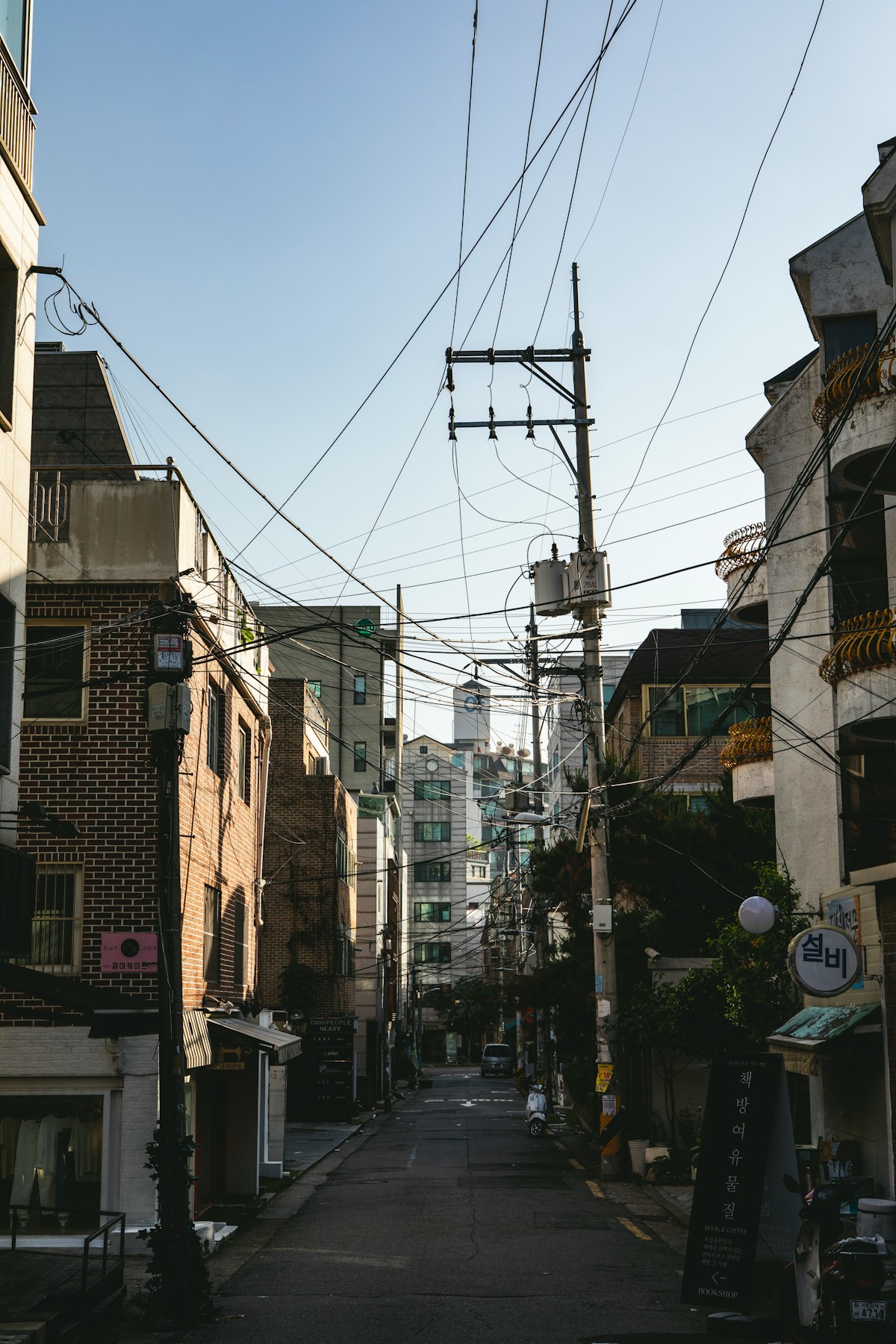
Gwangju is South Korea’s sixth-largest city and the cultural capital of the Jeolla region. It is most widely known internationally as the site of the May 18th Democratic Uprising of 1980 - an event that shaped South Korea’s transition to democracy and is deeply embedded in the city’s identity. Beyond its historical significance, Gwangju has developed a strong contemporary arts scene anchored by the Gwangju Biennale, and a food culture that is considered among the richest in the country. Here is what to do in Gwangju with practical detail as of 2026.
May 18th Memorial Park (5·18기념공원)
The May 18th Memorial Park in the Unam-dong district is a civic space dedicated to the pro-democracy uprising of 1980 in which hundreds of Gwangju citizens were killed by military forces during a period of martial law. The park contains symbolic sculptures, a flame monument, and an exhibition hall with photographs and documentation of the events.
Entry is free. The park is open daily during daylight hours. The exhibition hall inside opens from 09:00 to 18:00 and closes on Mondays. Signage is in Korean with English translation available at the main interpretive panels. The park is approximately a 20-minute taxi ride from central Gwangju (approximately KRW 6,000–8,000 as of 2026) or accessible via bus from the city centre.
May 18th National Cemetery (국립5·18민주묘지)
The national cemetery in the northern part of Gwangju is where many of the victims of the 1980 uprising are buried. The site is set on a hillside with a formal plaza, bronze gates, an eternal flame, and a memorial hall. It is a place of continuing significance for South Koreans and receives visitors year-round.
Entry is free and the site is open daily. City buses (line 518 - named deliberately) run directly from central Gwangju; the journey takes approximately 30–40 minutes. Taxis take approximately 20 minutes.
National Asian Culture Complex (국립아시아문화전당, ACC)
The ACC is a large contemporary cultural complex at the heart of the old Jeolla Provincial Office district - a site of historical significance as the base of citizen resistance in 1980. The complex includes the ACC Theatre, Children’s Culture Complex, Culture Information Centre, and multiple gallery spaces.
Entry to the permanent galleries is free; ticketed events and temporary exhibitions have varying admission costs (approximately KRW 5,000–15,000 as of 2026). The underground architectural design by Woo Kyu-seung preserved the historic provincial office building above ground while creating performance and gallery spaces below. Open Tuesday to Sunday from 10:00 to 18:00 (extended hours for ticketed performances). Closed Mondays.
Gwangju Biennale Hall (광주비엔날레전시관)
The Gwangju Biennale, founded in 1995, is one of Asia’s largest and most internationally recognised contemporary art exhibitions. It runs in odd-numbered years from September through November. The main venue is the Biennale Hall in Jungwon-gu, a purpose-built exhibition complex with multiple halls showing international and Korean contemporary art.
During Biennale years, tickets cost approximately KRW 15,000 for adults as of 2026. In non-Biennale years, temporary group exhibitions fill the halls and entry is typically free or reduced. Check gwangjubiennale.org for current programming. The hall is accessible via the metro (Culture Complex Station, Line 1) or a 15-minute bus ride from central Gwangju.
Yangnim Hill (양림동 역사문화마을)
Yangnim Hill is a hillside neighbourhood in southern Gwangju that developed as a base for American and European missionaries from the late 19th century. It retains a cluster of early 20th-century Western-style buildings, missionary houses, and Korean Christian heritage sites alongside the Choi Sung Eui Legacy Hall and a neighbourhood of artist studios and independent cafés.
Entry to the hill and most outdoor spaces is free. The Choi Sung Eui Legacy Hall (최승의기념관), a Western-style house dating to the 1910s, is open to visitors Tuesday to Sunday from 10:00 to 17:00; entry is free. The hill is a 20–25 minute walk from the ACC or approximately KRW 4,000–5,000 by taxi from the city centre.
Chungjang Road (충장로)
Chungjang Road in the heart of central Gwangju is the city’s main pedestrian shopping street and a hub for independent fashion boutiques, cafés, street food stalls, and the occasional pop-up market. The street is particularly lively in the evening. The surrounding Dongmyeong-dong area has a concentration of independent restaurants representing Gwangju’s reputation for exceptional cuisine.
The road is accessible via Nokdong Station or Culture Complex Station (Line 1), or by taxi from anywhere in the city centre for approximately KRW 3,000–5,000 as of 2026.
Mudeungsan National Park (무등산국립공원)
Mudeungsan (1,187 m) rises immediately east of Gwangju and is accessible within 30–40 minutes from the city centre by bus. The mountain’s distinctive columnar stone formations - Seoseokdae and Ipseokdae, columns of natural rock up to 15 metres high - are among the most unusual geological features in South Korea.
Entry to the national park is free (as of 2026 the entry fee was suspended under a national parks policy). City buses 순환52 and 1187 run from the Gwangju terminal area to the trailheads. The main summit trail via Wonhyobong peak takes approximately 3–4 hours return.
For guided tours in Gwangju covering the May 18th sites, the ACC, and Yangnim Hill with English interpretation, GetYourGuide lists small-group options that provide historical depth alongside the main attractions.