The Andong International Mask Dance Festival reaches its 30th edition this year, running from 24 September to 4 October 2026. The festival is one of South Korea’s most distinctive annual cultural events, centring on the hahoetal mask dance tradition that originated in the Andong region and has been practiced here for centuries.
What the Festival Covers
This year’s theme is “Memory of the Mask, Everyone’s Dance.” The programme brings together 28 performance teams from 24 countries, representing mask dance and traditional performance traditions from across Asia, Africa, Europe and the Americas. The international programme runs alongside Korean mask dance performances, academic events and street performances throughout Andong.
Main venues:
- Andong’s Jungang-seon 1942 district — the main performance stage for the festival, redeveloped around a historic railway line
- Mask Dance Park (Talchum Park) — a dedicated outdoor venue with regular performances across the festival period
- Old downtown Andong — street performances and cultural markets
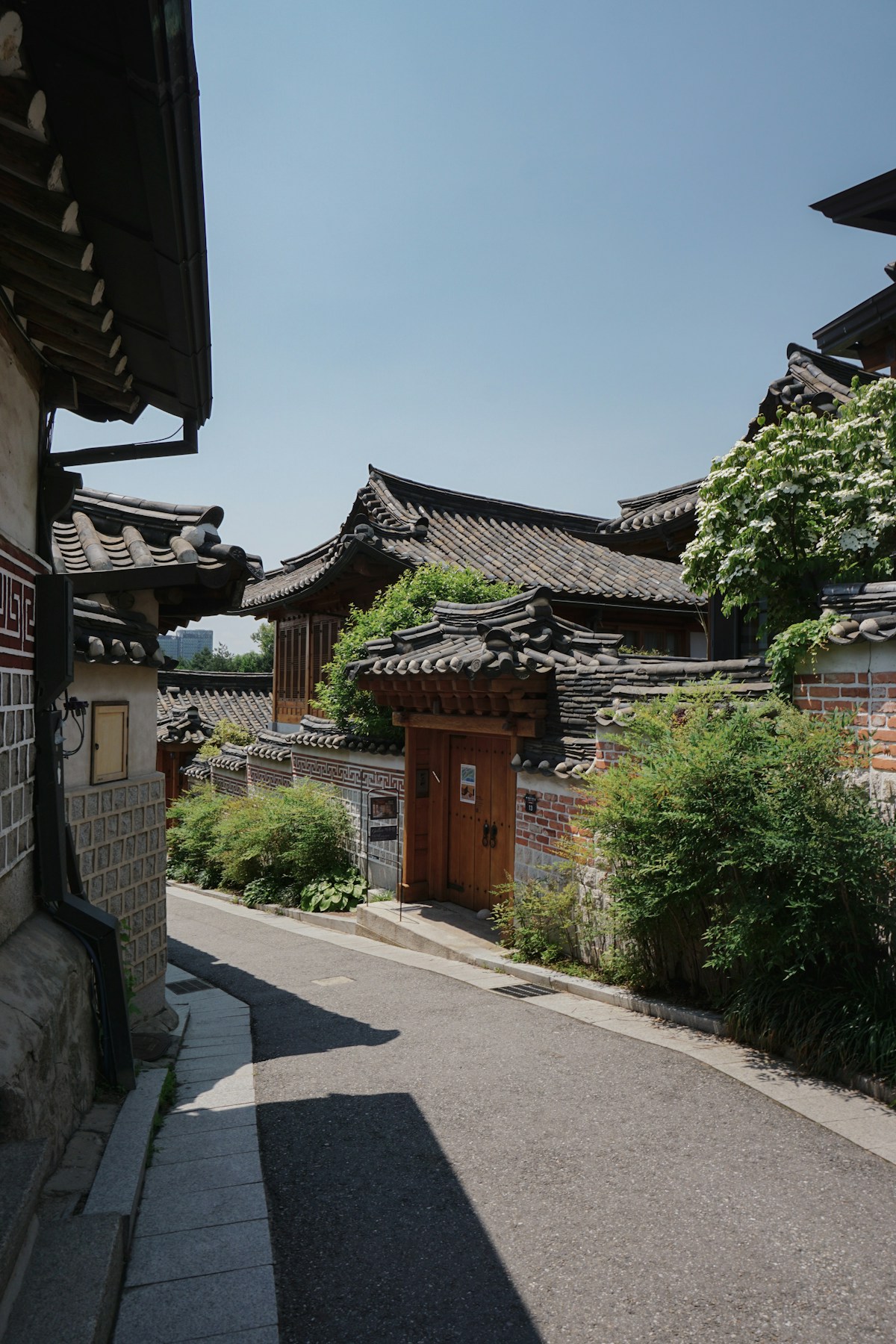
- Hahoe Village — UNESCO World Heritage site and the ancestral home of the mask dance tradition; performances scheduled here take on particular significance given the setting
Tickets and Admission
General admission: 6,000 won (approximately £3.50 / US$4.50)
Student admission: 4,000 won
Some performances and international showcase events may require separate tickets — check the official festival website for the full programme as it’s released closer to the opening date.
Getting to Andong
Andong is roughly two and a half hours from Seoul by express intercity bus or train from Cheongnyangni Station (ITX-Maeum service). From Busan, the journey takes around two hours by train. Our Andong city guide covers the main transport options and what to do beyond the festival itself.
The Hahoetal Tradition
Hahoetal masks are carved from alder wood and represent a cast of characters used in satirical folk performances — originally a way for commoners to critique the ruling class under the guise of ritual theatre. The masks themselves are recognised as Korean National Treasures (National Treasure No. 121). Performances at Hahoe Village are not purely ceremonial revivals: they maintain the improvisational and comedic elements that made the tradition popular.
If this is your first visit to Andong, the mask dance festival is an excellent introduction, but the town is worth visiting independently of the event. Jjimdak (soy-braised chicken) was invented here, the traditional folk village is one of the best-preserved in the country, and the surrounding region has more UNESCO-listed sites than almost anywhere in Korea.
For planning purposes, our Korea practical guide covers transport cards, language apps and the basics of getting around independently. The things to do in Korea section has further options if you’re building a wider itinerary around the festival.