South Korea’s Ministry of Justice officially launched the F-1-D visa category on 30 June 2026, creating a legal pathway for foreign nationals employed by overseas companies to live and work remotely in the country for up to one year. The visa can be renewed for a further year, allowing stays of up to 24 months.
The move makes South Korea one of the later major travel destinations to introduce a dedicated remote-work visa, following programmes already in place in Thailand, Japan, Indonesia, Malaysia, Spain, and Portugal. However, the Korean programme is notable for its relatively accessible income threshold and the breadth of Seoul’s existing infrastructure for remote workers.
Who Can Apply
Eligibility requirements for the F-1-D are:
- Employment abroad. The applicant must be employed by - or the sole director/owner of - a company registered outside South Korea. Freelancers working for multiple foreign clients may also qualify if they can demonstrate consistent income.
- Minimum income. The stated threshold is approximately 85 million Korean won per year (around US $60,000 / £47,000 at current rates), based on an income requirement set relative to Korea’s median salary.
- Health insurance. Proof of international or Korean health insurance coverage with a minimum cover level is required.
- Clean criminal record. Standard background check documentation from the applicant’s home country.
Applications can be submitted through the Korean Immigration Service portal (Hi Korea - hikorea.go.kr) or at Korean embassies and consulates abroad. Processing time is stated as 7–10 business days for online applications.
What the Visa Allows
F-1-D holders may live anywhere in South Korea. There is no restriction to a specific city, and the visa does not require a fixed address at the point of application (though applicants need to register with local administration within two weeks of arrival). The holder may not take up local Korean employment - only remote work for the overseas employer cited in the application - but may take short domestic trips without restriction.
Tax residency considerations are separate from immigration status. Those staying more than 183 days in South Korea in a calendar year may be considered Korean tax residents under domestic law. Consulting a tax adviser before applying is recommended.
Why Korea Now
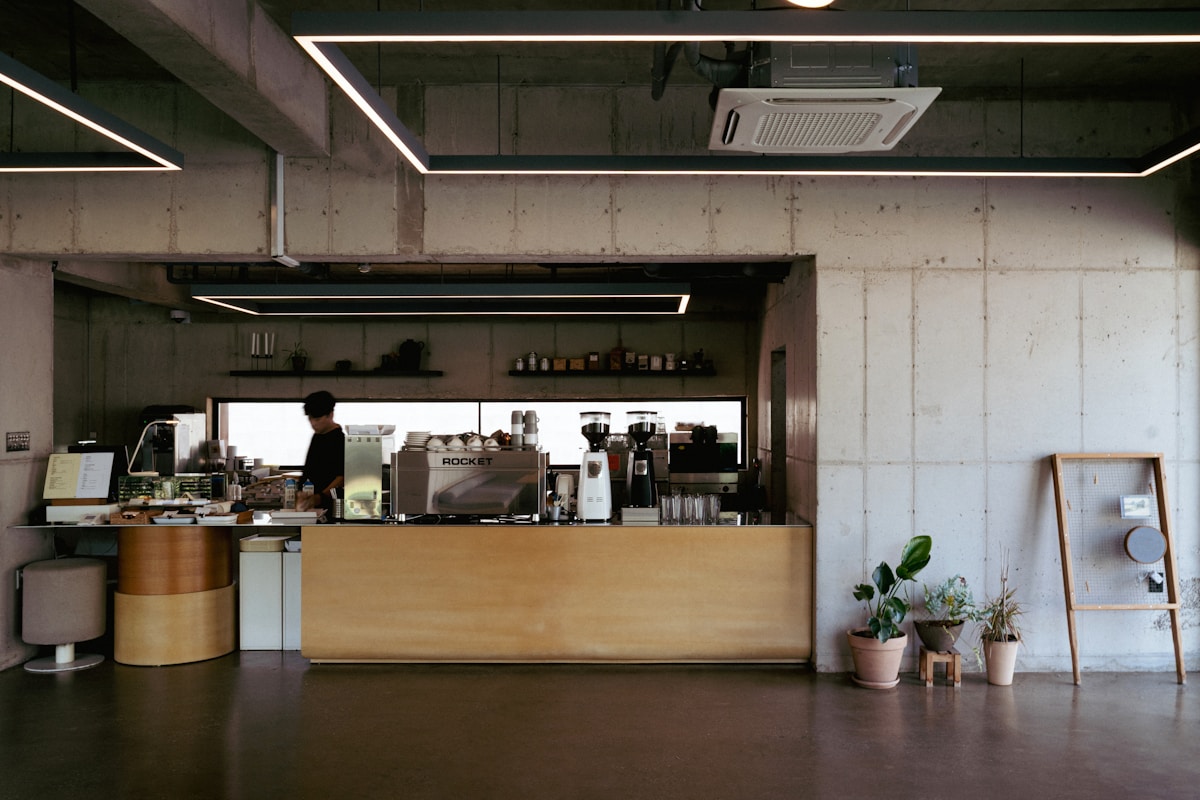
Seoul and Busan in particular already have well-developed co-working ecosystems that predate the formal visa. Gangnam and Seongsu-dong in Seoul are known for high-quality independent co-working spaces, fast-fibre internet connectivity, and a café culture that accommodates laptop workers without the hour-minimum pressure common in some European cities.
The cost of living in Seoul, while higher than Bangkok or Bali, is generally lower than Tokyo, London, or Amsterdam - making it competitive for the remote-work market. Apartment rental prices for furnished short-term lets have been running at approximately ₩700,000–1,500,000 per month (US $500–$1,100) for studios in non-central districts.
Getting Started
Applications open now through the Hi Korea portal. For visa holders already in the country on a tourist visa, switching to F-1-D status within Korea is permitted, subject to meeting all eligibility requirements.
For more on living and working remotely in South Korea, see our digital nomad guide to South Korea. Our practical South Korea guide covers healthcare, banking, transport, and registration requirements for longer stays.